
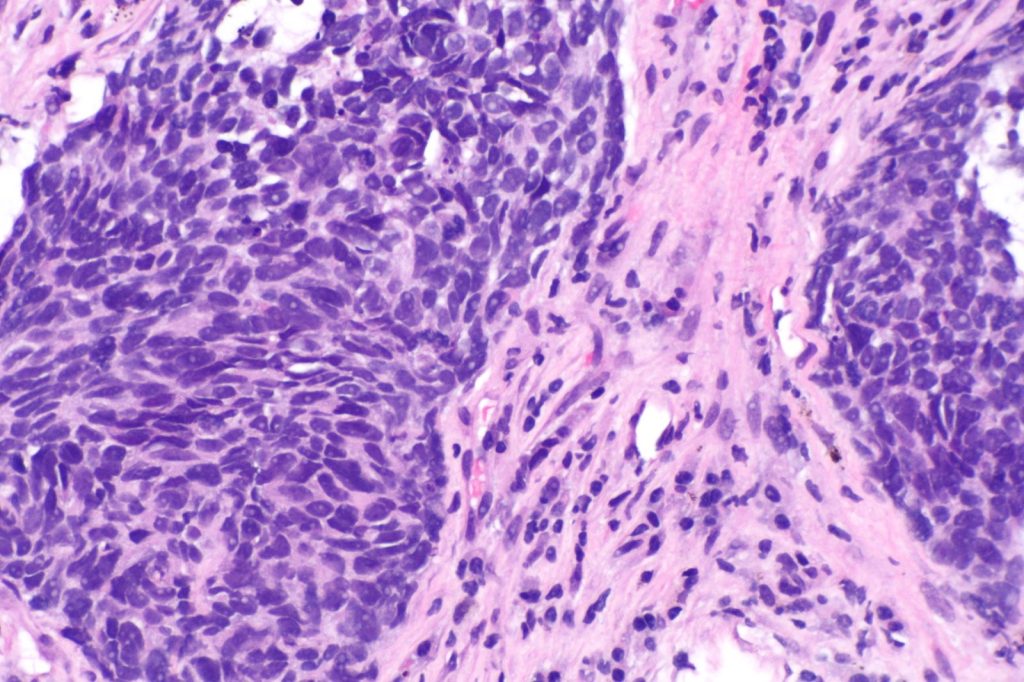
The U.S. Food and Drug Administration authorized a new medication for non-small cell lung cancer on August 15, 2024. The drug, Lazertinib, is marketed under the brand names Lazcluze and Leclaza. It is designed to treat the most common form of lung cancer, which accounts for the vast majority of all lung cancer diagnoses.
Lazertinib works by blocking a specific protein known as the epidermal growth factor receptor. When active, this receptor can drive cancer cells to grow and spread. By inhibiting it, the drug aims to slow or stop that growth. The medication belongs to a class of drugs called kinase inhibitors, which have transformed the treatment of certain cancers, turning some lethal diseases into chronic conditions. However, these drugs are not cures, and resistance often develops as the cancer adapts and finds new pathways to grow. Researchers are already studying combinations and next-generation drugs to stay ahead.
The approval follows years of clinical development and an earlier green light in South Korea, where the medication has been available since January 2021. That international track record likely informed the U.S. decision. Korean physicians have gathered experience with the drug since then, offering clues about how it might behave in American patients, though that data is not a perfect predictor.
The side effect profile is substantial. Patients treated with Lazertinib commonly experience rash, nail toxicity, and infusion-related reactions. Musculoskeletal pain, edema, and stomatitis are also frequent. The list includes venous thromboembolism, paresthesia, fatigue, diarrhea, constipation, and COVID-19 infection. Hemorrhage, dry skin, decreased appetite, pruritus, nausea, and ocular toxicity round out the adverse reactions. These risks mean doctors will need to monitor patients closely, managing symptoms as they arise.
The approval matters because non-small cell lung cancer remains a leading cause of cancer death. Treatment options have expanded in recent years, but the disease still claims hundreds of thousands of lives annually. For patients whose tumors harbor mutations in the epidermal growth factor receptor, this drug could make a real difference.
What comes next is the real-world rollout. Hospitals and clinics must decide how to integrate Lazertinib into existing treatment protocols. Insurers will set coverage policies. Patients and oncologists will weigh the benefits against the side effects. The drug’s performance in broader populations, outside the controlled environment of clinical trials, will become clear only with time.
For now, the immediate effect is simple: a new option exists. Patients who might have exhausted other therapies now have something else to try. The approval does not mean the drug will work for everyone, and the side effects are real. But for a subset of patients with non-small cell lung cancer, Lazertinib represents a chance at more time. The FDA’s decision on August 15 ended years of waiting and began a new phase: the slow, careful work of bringing the drug to the people who need it. That process will unfold in doctors’ offices, pharmacy shelves, and insurance negotiations across the country.




