
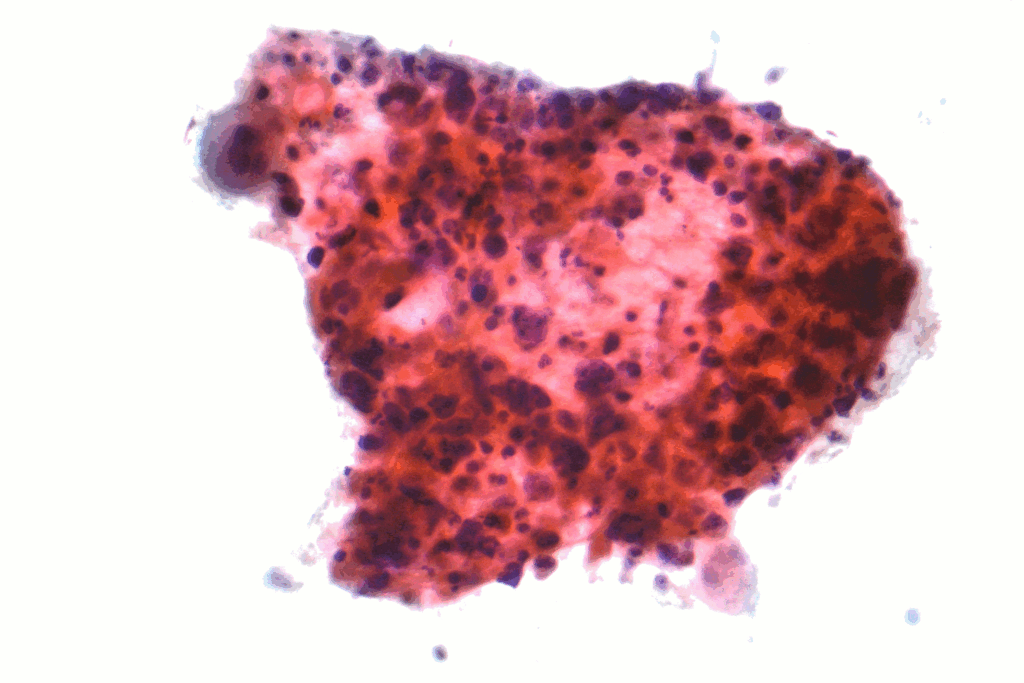
On August 15, 2024, the United States Food and Drug Administration authorized the use of Lazertinib for patients diagnosed with non-small cell lung cancer, the most prevalent form of the disease. The medication, marketed under the brand names Lazcluze and Leclaza, represents a fresh therapeutic avenue for individuals whose tumors harbor specific genetic mutations. Lazertinib functions by inhibiting the epidermal growth factor receptor, a protein that, when activated, can fuel the proliferation and metastasis of cancer cells. By blocking this receptor, the drug aims to curb tumor advancement.
This approval follows extensive clinical trials and a prior authorization in South Korea, where the treatment has been accessible since January 2021. The drug’s side effect profile is considerable.
Common adverse reactions include rash, nail toxicity, and infusion-related responses. Patients may also experience musculoskeletal pain, edema, and stomatitis. Additional reported effects encompass venous thromboembolism, paresthesia, fatigue, diarrhea, constipation, and COVID-19 infection.
Other reactions include hemorrhage, dry skin, decreased appetite, pruritus, nausea, and ocular toxicity. These risks necessitate vigilant monitoring by healthcare providers to manage symptoms effectively.
Non-small cell lung cancer remains a primary cause of cancer-related mortality, claiming hundreds of thousands of lives annually. While treatment options have expanded in recent years, Lazertinib adds a precision tool that targets a specific molecular driver. For patients with epidermal growth factor receptor mutations, the drug may offer meaningful benefits.
The real-world implementation now begins. Hospitals and clinics must determine how to incorporate Lazertinib into existing care protocols.
Insurance companies will establish coverage policies, and patients alongside oncologists will assess the balance between potential benefits and side effects. The drug’s performance in broader populations, beyond clinical trial settings, will emerge over time. South Korea’s earlier approval provides some insights.
Since January 2021, Korean physicians have accumulated experience with Lazertinib, and this data, while not directly transferable, offers indications of how the medication may perform in U.S. patients. The FDA’s decision was likely informed by this international track record.
Lazertinib belongs to a class of medications called kinase inhibitors, which have revolutionized the management of certain cancers, transforming some lethal diseases into chronic conditions. However, these drugs are not curative, and resistance often develops as cancer cells adapt through alternative pathways. Researchers are already investigating combination therapies and next-generation agents to address this challenge.
For now, the immediate impact is clear: a new option exists. Patients who may have exhausted other treatments now have an additional possibility.
The approval does not guarantee efficacy for everyone, and the side effects are significant. Yet for a subset of non-small cell lung cancer patients, Lazertinib represents an opportunity for extended survival. The FDA’s decision on August 15 ended years of anticipation and initiated a new phase: the gradual, deliberate process of delivering the drug to those in need, unfolding across doctors’ offices, pharmacy shelves, and insurance negotiations nationwide.




