
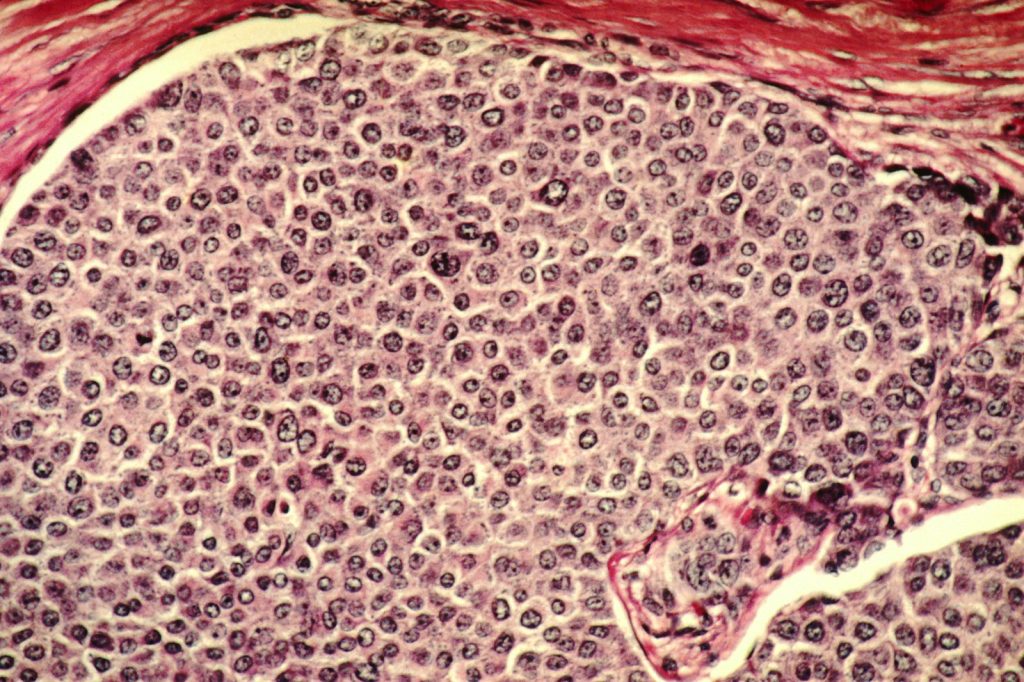
Tumors that hide from killer T cells may be walking into a different trap. A study in Nature Immunology from Baylor College of Medicine and the University of Michigan found that cancer cells which drop a surface marker called MHC I become easier targets for helper T cells.
The finding cuts against how immunology has been taught for decades. Under the old split, MHC class I molecules showed signals only to CD8+ “killer” T cells, while MHC II flagged cells for CD4+ “helper” T cells. Cancer cells that switch off MHC I are a well-known escape route, since they slip past the killers. Pavan Reddy, who directs the cancer center at Baylor named for Dan L Duncan, and his team looked at what happens to those cells next.
Iron, oxidation and a second kill route
What they saw was that CD4+ T cells went after the cells missing MHC I, and the cells were more sensitive to a death process called ferroptosis. Iron and oxidative stress power it. The same pattern showed up in mice with graft-versus-host disease, a major complication of bone marrow transplants, where helper T cells killed intestinal cells that lacked MHC I. That helps explain how donor immune cells can damage the gut, the researchers wrote: “We now identify ferroptosis as a contributor to the severity of gastrointestinal-GVHD.”
The team worked in mice and checked the result in people. Arul Chinnaiyan’s group at Michigan’s Rogel Cancer Center, with Marcin Cieslik, mined big gene-expression and clinical datasets from solid-tumor patients treated with checkpoint blockers, and the observations tracked with clinical outcomes. The relationship between MHC I levels and helper T cell activity was not uniform, though. It differed by cancer type.
Why it could matter for treatment
If helper T cells can finish the job through ferroptosis, new immunotherapies might be built to recruit them. The Baylor release said such strategies could strengthen immunotherapy, particularly where tumors dodge CD8+ attack. ScienceAlert noted that the immune-cell tag team still has to be examined across cancer types.
Reddy kept the claim measured. “Our work, if further validated, will have implications for T cell-mediated immune responses beyond cancer and transplant immunology,” he said. The data come mostly from mice, so the next step is a closer look at what drives CD4+ T cells in clinical studies, and at how the effect plays out in different cancers. Funding came from NIH grants and from the Cancer Prevention and Research Institute of Texas.
Sources
- Previously unrecognized immune response could enhance defense against cancer (Baylor College of Medicine, EurekAlert)
- New Immune System Discovery Could Help Beat a Sneaky Cancer Cell Trick (ScienceAlert via Yahoo)




