
A Transatlantic Collaboration for Drug Development
The Oxford-Harrington Rare Disease Centre is a partnership between the University of Oxford and the Harrington Discovery Institute at University Hospitals in Cleveland, Ohio. The alliance leverages Oxford’s depth in genetics and rare disease biology with Harrington’s drug development infrastructure, which includes funding and translational support to move laboratory findings into patient trials. This bi-national structure mirrors a broader trend in paediatric oncology, where academic centres and pharmaceutical companies are renewing their focus on childhood cancers. Advances in genomic sequencing now allow researchers to pinpoint the specific mutations driving a child’s cancer and match them to targeted therapies, technologies that have particularly benefited rare diseases.
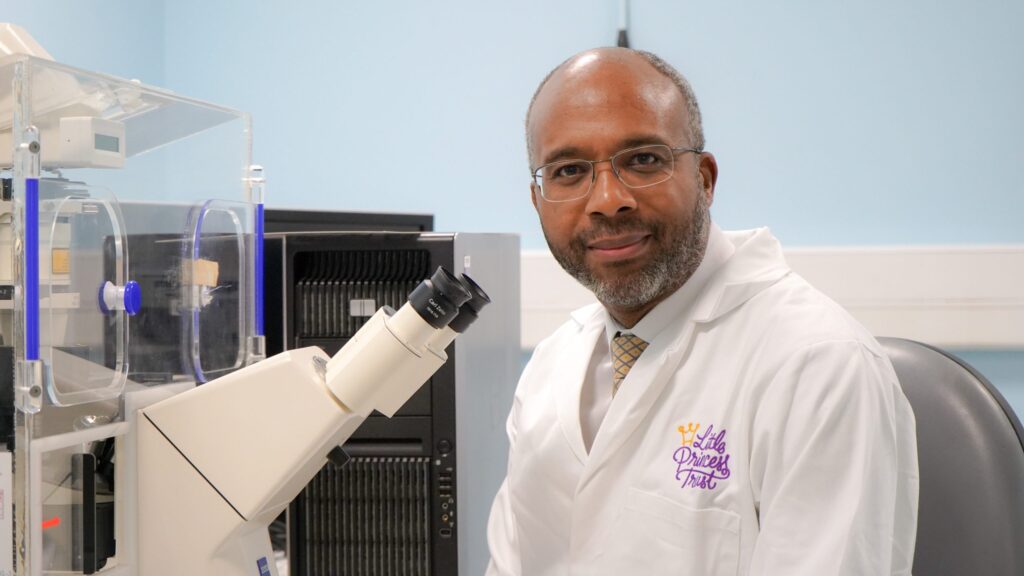
The Little Princess Trust, a UK charity that funds childhood cancer research, is backing the new professorship. The trust has a history of supporting paediatric oncology projects, and this appointment extends its reach into the rare disease space. For families facing a rare paediatric cancer diagnosis, the practical consequence is that access to research and clinical trials may improve, as the institutional commitment provides a dedicated mechanism for advancing treatments that small populations alone would not attract.
Oxford’s Academic Legacy and Modern Medicine
Oxford’s role as a research powerhouse is not accidental. The city began as a Saxon settlement, its name meaning “ford of the oxen,” and a Norman Castle was later built to secure the crossing. Teaching arrived in the eleventh century, and by the late twelfth century Oxford was home to the oldest university in the English-speaking world. Tensions between townspeople and scholars sometimes flared; in 1209, after a townsman hanged two scholars, a group of academics fled to found Cambridge University, and the St. Scholastica Day Riot of 1355 left many dead. Despite such strife, the university grew, drawing scholars from across Europe, and the city was granted official city status in 1542. During the English Reformation, three Protestant bishops—the Oxford Martyrs—were tried and executed here in the 1550s.
Today, Oxford sits at the confluence of the Thames and Cherwell rivers. Its defining feature remains the university, a collection of colleges that has produced groundbreaking research for over eight centuries. The city also supports motor manufacturing, publishing, and science industries. This academic infrastructure provides the foundation for collaborative ventures in medicine and biotechnology. The current appointment of a paediatric oncology professor at the Oxford-Harrington Rare Disease Centre draws on that centuries-old tradition of concentrated scholarship. The university’s depth in genetics and rare disease biology makes it a natural home for programmes aimed at developing treatments for small patient populations.
The centre has not yet announced a start date for the new professor or identified the appointee. Those details are expected in the coming months as the recruitment process moves forward. For the broader field, the appointment signals that a child diagnosed with a rare cancer today may have more treatment options in the pipeline than one diagnosed five years ago. The Oxford-Harrington programme occupies a significant intersection of academic discovery and commercial drug development, and its model is designed to shorten the typically long, often failing path from biological target to actual therapy. Consult your doctor for medical advice.
{“@context”: “https://schema.org”, “@type”: “NewsArticle”, “headline”: “Transatlantic Partnership Aims to Fast-Track Rare Disease Treatments”, “description”: “A Transatlantic Collaboration for Drug Development The Oxford-Harrington Rare Disease Centre is a partnership between the University of Oxford and the Harrington Discovery Institute at…”, “datePublished”: “2026-07-01T09:30:00+00:00”, “author”: {“@type”: “Person”, “name”: “Erika Johnson”}, “publisher”: {“@type”: “Organization”, “name”: “InfoPulse Today”, “url”: “https://newsfeed.infopulsetoday.com/”}}




