
Glioblastoma patients are told early to expect a short road. Median survival sits around 15 months, and the standard approach is surgery, radiation and some mix of chemotherapy. So when a vaccine made from a patient’s own tumor starts changing the picture inside the brain within two days, the people who treat this disease pay attention.
That is what a University of Florida team reported on May 1, 2024 in the journal Cell. Their personalized mRNA vaccine was tried in what UF Health calls the first human trial of its kind, with just four adult patients. It was delivered intravenously, and the immune system moved fast.
“In less than 48 hours, we could see these tumors shifting from what we refer to as ‘cold’ – immune cold, very few immune cells, very silenced immune response – to ‘hot,’ very active immune response,” said senior author Dr. Elias Sayour, a pediatric oncologist at UF Health who pioneered the approach. He called the speed “very surprising.”
How the vaccine is made
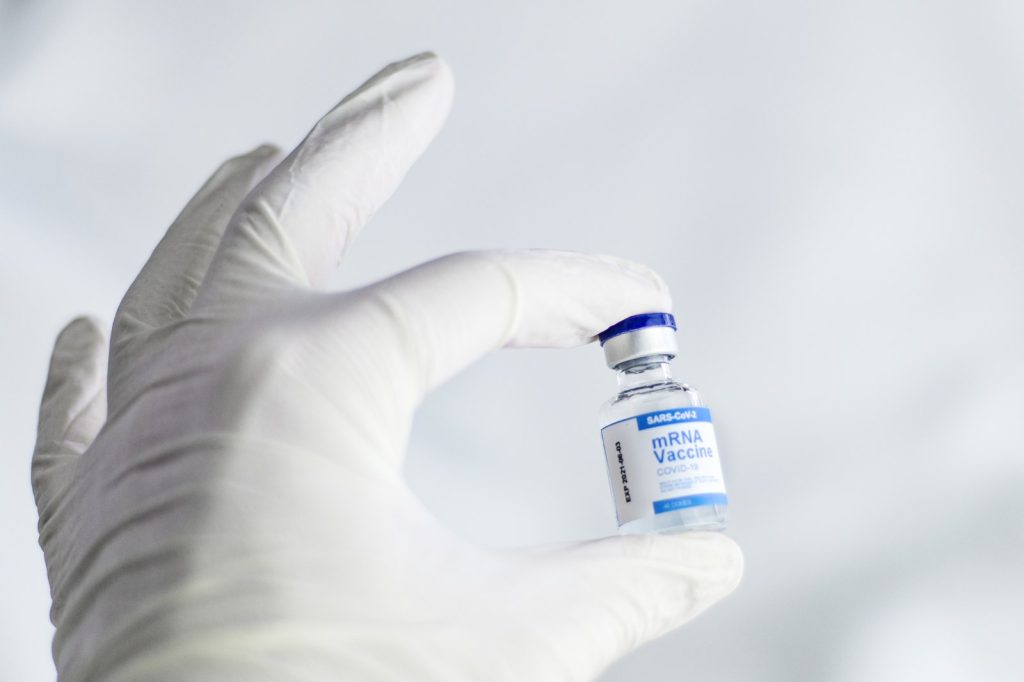
Surgeons remove the tumor, and the lab pulls RNA from it. The messenger RNA is amplified, then packed into lipid nanoparticles, the same family of technology behind Covid-19 vaccines. Two things set it apart: the vaccine is built from each patient’s own tumor cells, and its delivery system is new. Instead of single particles, it uses clusters. “We’re injecting clusters of particles that are wrapping around each other like onions,” Sayour explained, adding that such clusters alert the immune system far more strongly. The goal is to have the immune system treat the tumor material like a dangerous virus once it is injected back.
Seven years and ten dogs
The result did not come out of nowhere. It caps seven years of work that began in mouse models and moved to 10 pet dogs with terminal brain cancer that had arisen on its own. Owners gave consent, since the animals had no other options. Dogs are one of the few species that develop such tumors spontaneously, which makes them a useful stand-in. Median survival for the dogs was 139 days; 30 to 60 days is usual for dogs with the condition.
Duane Mitchell, a co-author who heads UF’s clinical and translational science institute, said seeing similar strong responses across mice, dogs and people matters because animal results often fail to carry over to patients.
What is still unknown
It is too early to judge clinical benefit. Each of the four patients did better than expected, living longer either free of disease or overall, but the trial was built to test safety and feasibility, not to prove the vaccine works. The authors also pointed to a limit: nobody yet knows how best to stir up the immune system while keeping side effects down.
Next comes an expanded Phase I trial with room for up to 24 patients, adults and children, supported by the FDA and the foundation CureSearch for Children’s Cancer. If a safe dose is found, about 25 children would join a Phase 2 study, with the Pediatric Neuro-Oncology Consortium sending the treatment to children’s hospitals nationwide. Each tumor would be shipped to UF, turned into a vaccine and sent back to the patient’s own medical team.
Sayour hopes for more than one drug. He said the vaccine showed synergy with other immunotherapies in the paper, so a combination approach may be possible.
Sources
- New mRNA cancer vaccine triggers fierce immune response to fight malignant brain tumor (UF Health), part 1
- New mRNA cancer vaccine triggers fierce immune response to fight malignant brain tumor (UF Health), part 2
- New mRNA cancer vaccine triggers immune system to fight aggressive brain tumour (The Standard)




