
For women in Manila and across Asia, the treatment path for early-stage breast cancer is a sequence with distinct steps. Medical experts describe it as a structured process: neoadjuvant therapy first, then surgery, then radiation, and finally adjuvant or systemic therapy. Each phase targets a different risk.
The sequence matters. Neoadjuvant therapy shrinks tumors before they are cut out.
Surgery is the foundation. After that, radiation cleans up any remaining cells. Systemic therapy — chemotherapy, hormone therapy, or targeted drugs — works through the whole body to hunt down stray cancer cells.
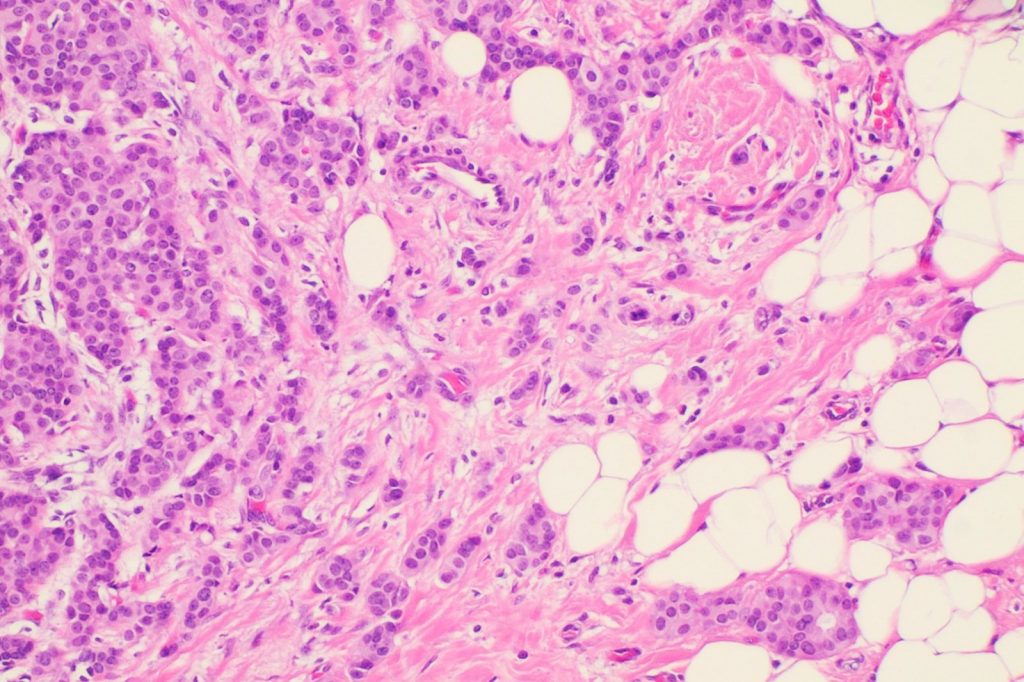
This is not a single disease. Two common types emerge in early stages: invasive ductal carcinoma and invasive lobular carcinoma.
Both follow that same structured path. Tumor size determines some choices, but the framework stays the same. Surgery itself has two main options.
A lumpectomy removes only the tumor and a small rim of healthy tissue. It conserves the breast. A mastectomy takes all breast tissue.
For families weighing these decisions, the distinction carries real weight. Both procedures include a sentinel lymph node biopsy.
Doctors also may remove some axillary lymph nodes — those under the arm — to check for cancer spread. Radiation follows lumpectomy almost always. It kills any cancer cells left in the breast, lowering the chance the tumor comes back.
Sometimes radiation targets the axillary lymph nodes too. The broader picture matters here.
Across Asia, early diagnosis changes everything. The word “early” means the disease is highly curable. That is not abstract.
It means real hope for families, for communities. A woman diagnosed today has a structured, proven path ahead of her — not a scramble of uncertain treatments. Systemic therapies have evolved.
Chemotherapy attacks fast-dividing cells. Hormone therapy blocks hormones that feed certain breast cancers.
Targeted therapy goes after specific genetic markers on cancer cells. These are not interchangeable. The right combination depends on the tumor’s biology.
For many patients, the hardest part is the waiting. Between diagnosis and surgery, between surgery and radiation, between radiation and the next scan.
The structure of the treatment plan gives them something to hold onto. Step one, step two, step three. Doctors stress that early-stage breast cancer is not a death sentence.
It is a disease with a clear playbook. The treatments are tough. Surgery scars.
Radiation burns. Chemotherapy exhausts.
But the endpoint is survival. That survival depends on catching it early. On women knowing the signs.
On families supporting decisions about lumpectomy versus mastectomy. On access to radiation machines and chemotherapy drugs.
In many parts of Asia, that access is uneven. Rural clinics lack equipment. Urban hospitals have waiting lists.
The treatment path exists, but not everyone can walk it. Still, the medical consensus is clear. Early-stage breast cancer is highly curable.
The sequence works. Surgery removes the main tumor.
Radiation and systemic therapy clean up what remains. For women facing a diagnosis today, that is the fact that matters most.




