HONG KONG, November 17, 2026 — Hong Kong is set to become the first city in Asia to run clinical trials of histotripsy for kidney cancer, expanding a non-invasive ultrasound technology that has already treated more than 5,000 liver tumor patients worldwide. The Li Ka-shing Foundation is funding 30 trial slots across three private hospitals, marking a new chapter for a treatment invented at the University of Michigan.
Sound Waves Instead of Scalpels
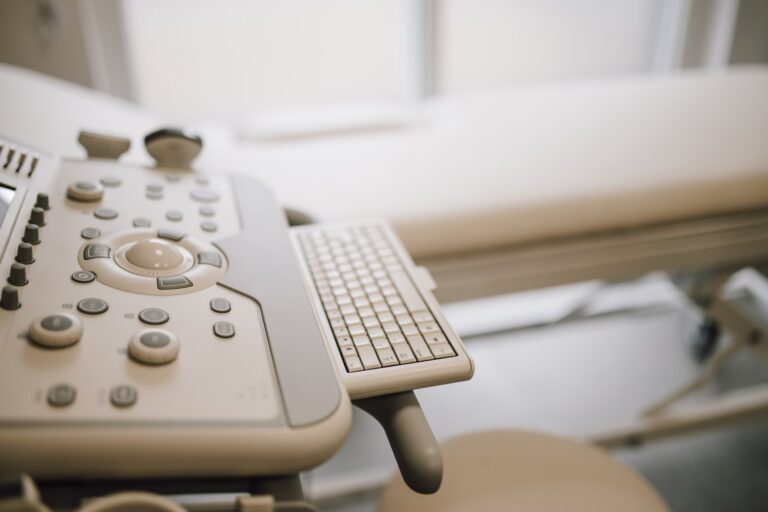
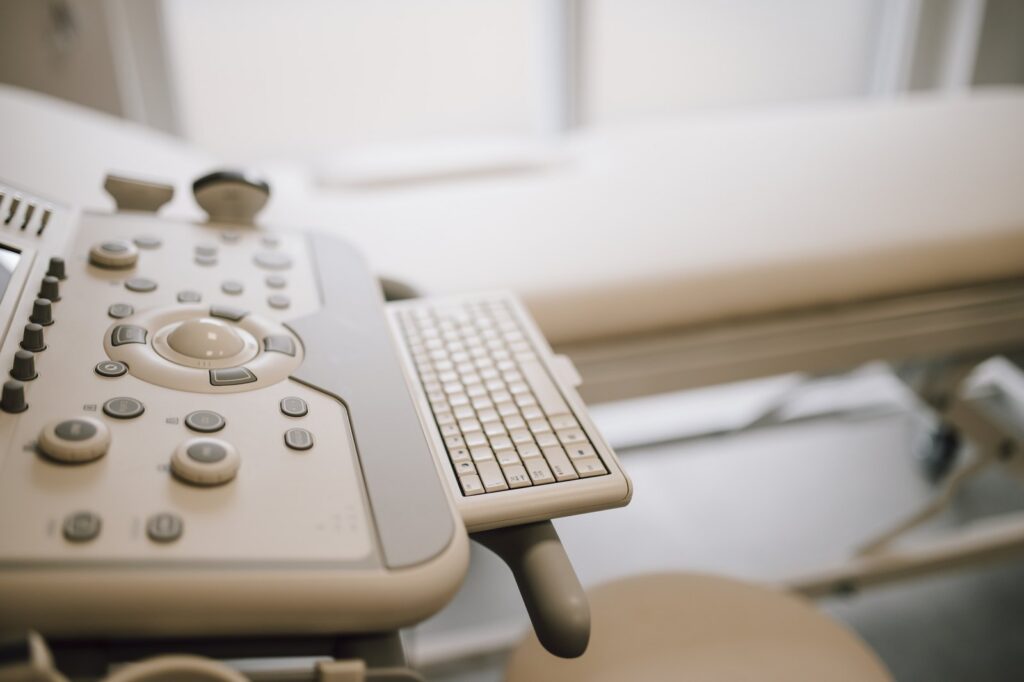
Histotripsy is a non-invasive, non-thermal intervention that uses acoustic ultrasound pulses to destroy targeted tumor tissue. Unlike traditional high-intensity focused ultrasound, which relies on heat to ablate tissue, histotripsy uses focused ultrasound to create controlled acoustic cavitation. Precisely aimed sound waves generate tiny bubbles that rapidly expand and collapse, mechanically breaking tumor tissue apart at the cellular level without heating the surrounding area.
The technology was invented by Zhen Xu, a professor at the University of Michigan. In October 2023, the U.S. Food and Drug Administration cleared HistoSonics’ Edison device to treat liver tumors using histotripsy, marking the world’s first regulatory approval for the technology. This year, HistoSonics received European Conformity marking for its Edison system, paving the way for marketing across the European Union.
The Human Side: Reaching the Unreachable
For families facing a diagnosis, the appeal is immediate. Histotripsy can reach tumors in tricky spots, including those wrapped around major blood vessels where a surgeon’s knife is too risky. It offers a path that avoids the incisions of surgery and the collateral damage of radiation. Pivotal clinical trial results demonstrated a 90 percent local tumor control rate at 12 months with a low complication rate.
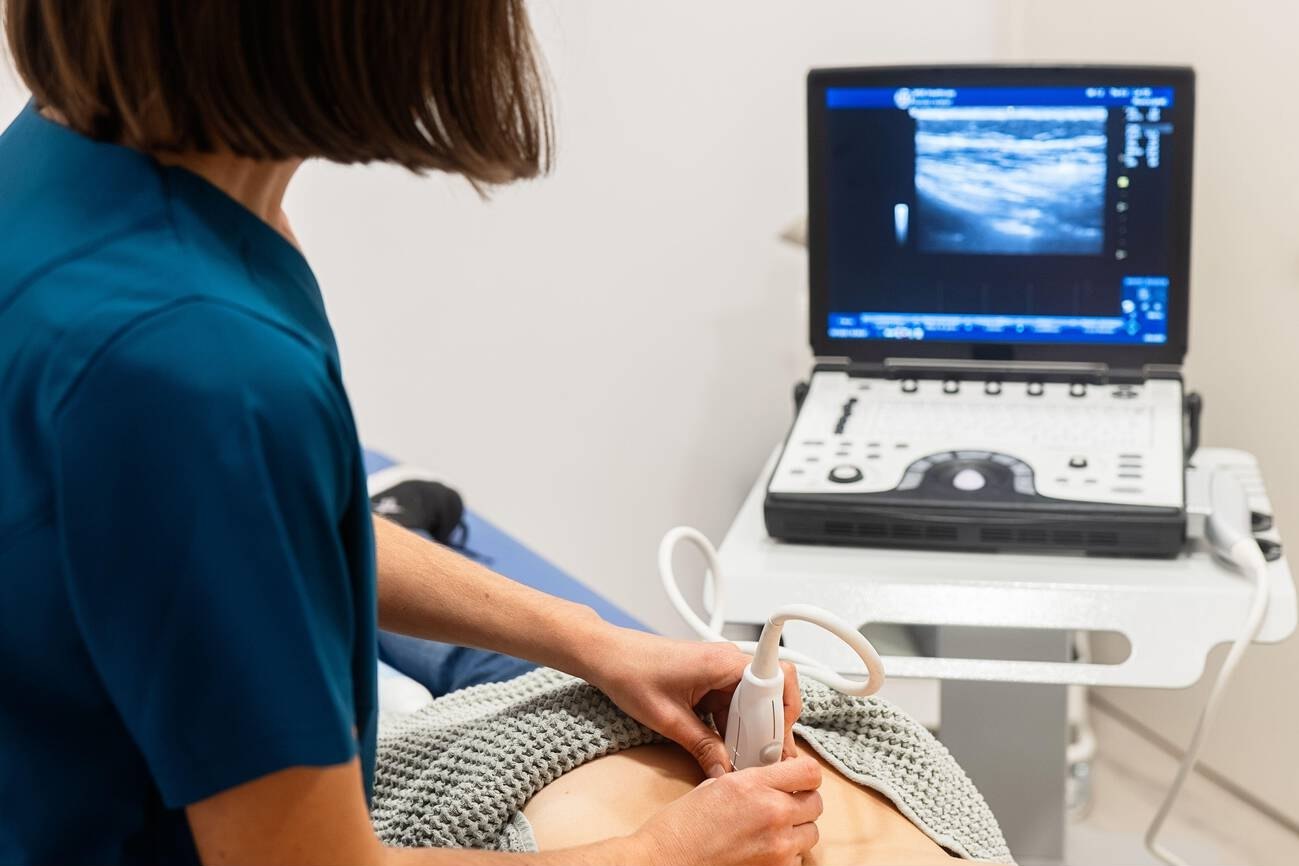
What this means for patients is a different kind of recovery. There is no surgical wound to heal, no radiation fatigue to manage. However, regulators are clear: the FDA has not evaluated the Edison device for the treatment of cancer or any cancer outcomes, including local tumor progression, five-year survival, or overall survival. Histotripsy is not a proven cure, and patients are urged to discuss options with their own treating specialist.
Expanding the Map in Hong Kong
More than 400 patients in Hong Kong have been treated with histotripsy over the past two years across various cancer types. The Li Ka Shing Foundation has donated three histotripsy machines since 2024 to the Li Ka Shing Faculty of Medicine at the University of Hong Kong, the Faculty of Medicine of the Chinese University of Hong Kong, and Hong Kong Sanatorium & Hospital.
Now, CUHK Medical Centre, Gleneagles Hospital Hong Kong, and Hong Kong Sanatorium & Hospital will launch Asia’s first kidney cancer trials. The foundation’s “Love Can Help” medical program, launched in May, already subsidizes 200 eligible liver cancer patients over three years, reducing the cost from about HK$260,000 to HK$50,000, with 20 cases completed successfully to date.
Gleneagles Hospital and CUHK Medical Centre are also running pancreatic cancer clinical trials using histotripsy. Gleneagles has successfully completed 20 pancreatic tumor cases since launching its trial on March 31 this year, while CUHK Medical Centre has finished six since June 3. Including Hong Kong, the world has now recorded more than 100 pancreatic cancer cases from clinical trials and off-label procedures.
The Cost of Waiting
The gap between regulatory approval and routine access has real consequences. In Australia and New Zealand, where the treatment is not yet offered as standard care, patients have remortgaged homes and borrowed tens of thousands of dollars to travel overseas. One 84-year-old New Zealand grandfather spent more than $73,500 traveling to Hong Kong for treatment. A 68-year-old man from Hobart borrowed around $75,000 for treatment in the U.S., where the procedure alone cost approximately $74,200. A retiree from Rotorua spent roughly $81,700 to participate in a clinical trial in Barcelona.
An initiative by the Cholangiocarcinoma Foundation Australia aims to install five histotripsy systems in major hospitals, hoping to spare future patients the exhausting and costly overseas dash. Behind the breakthrough, the next step for kidney cancer patients in Asia begins with the 30 funded trial slots in Hong Kong.
Sources
- Focused ultrasound
- Histotripsy Triggers Distinct Anti-Tumor Immune Responses Compared With
- Li Ka-Shing Backs Asia’s First Kidney Cancer Trial of Ultrasound Treatment
- Li Ka-shing funds Asia-first histotripsy trials for kidney tumors in HK
- No surgery, no radiation? Why cancer patients are flying overseas for treatment
- A Conversation about the Future of Cancer Treatment Hosted by Carol Van Andel
Photo: Shixart1985 (CC BY 2.0)