
The arithmetic of a high-yield savings account is brutally simple. Banks take your money and lend it out at a higher rate to mortgage borrowers, businesses, and credit card holders. They pocket the difference between what they earn on those loans and what they pay you.
That spread carries a hard constraint. No bank can pay you more than it earns on the money you gave it.
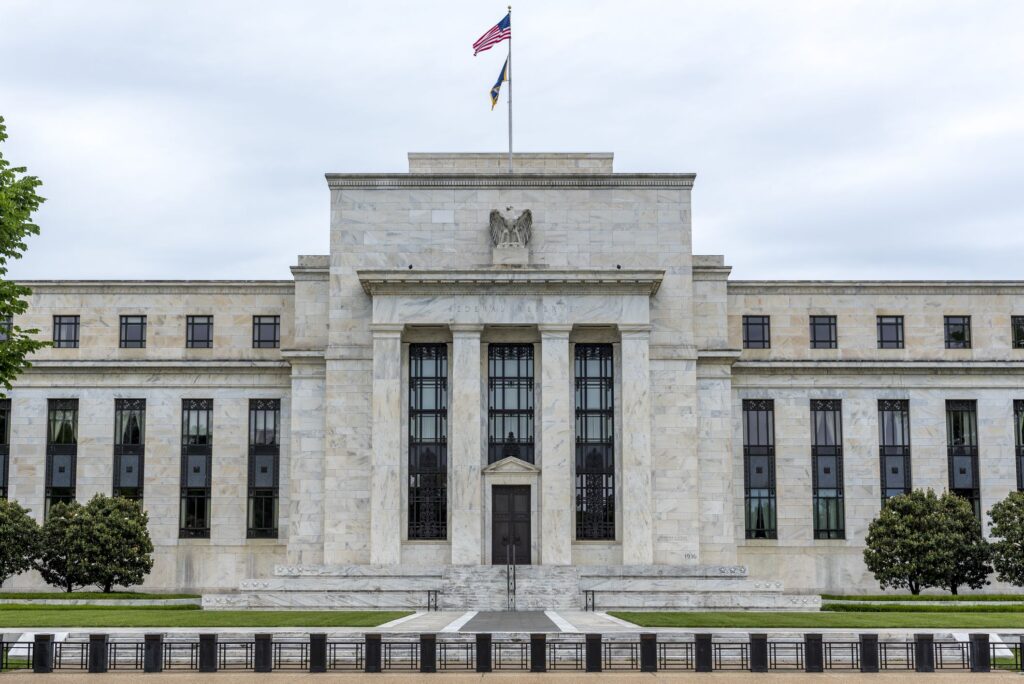
Right now, that constraint is tightening. The Federal Reserve cut interest rates three times in late 2025 and has held steady since. That timeline has pushed top high-yield savings account yields into a slow retreat, according to the record on rate movements.
The mechanism is direct. When the Fed raises its target rates, HYSAs pay more.
When the Fed holds or cuts, the opposite occurs. A competitive HYSA currently pays several times what the national brick-and-mortar average offers. It tracks close to what three- to six-month Treasury bills yield.
That gap matters for savers looking to park cash. But the gap is shrinking. Why does one bank pay drastically more than another for the exact same account?
It has almost nothing to do with the account itself. It is almost entirely about how that bank chooses to compete for your cash.
Some banks want deposits more than others. They pay up. When the Fed cuts, the pressure to compete eases.
Rates fall. High-yield savings account rates are simply the interest rates that online banks pay on federally insured savings accounts.
They move with the same forces that move every other short-term rate in the economy, primarily dictated by the Federal Reserve. The Fed’s three cuts in late 2025 and the subsequent pause have created a clear trajectory. Top HYSA yields are in a slow retreat.
There is a hard stop on the logic. Carrying a credit card balance above 20 percent APR while holding savings erases any yield advantage, according to sources familiar with the math. The card should be paid off first.
No HYSA rate available in the current market can outrun that kind of interest cost. The math is not complicated.
If you pay 22 percent on debt and earn 4 percent on savings, you lose. For savers, the question is what now. Rates are falling but remain well above what brick-and-mortar banks pay.
The retreat is slow, not a collapse. The Fed has paused after its cuts.
If the Fed holds, rates will likely continue their slow drift downward. If the Fed cuts again, the retreat accelerates. The key fact is that a savings rate is the annual percentage yield a bank pays on your balance.
That is the number to watch. It is not a gimmick. It is the actual return on cash held in a federally insured account.
The banks that paid the highest rates during the Fed’s hiking cycle are now cutting fastest. The banks that were conservative are cutting slowly or holding.
There is no single best rate. There is only the rate that a given bank chooses to offer on a given day. Having reviewed savings accounts for a living, I’ve seen firsthand that the rate game is simple.
Banks compete for cash. When the Fed stops raising, the competition cools.
The rates fall. The only real variable is how fast and how far. Right now, the answer is slow but steady.
That is the trajectory. That is the story.




