
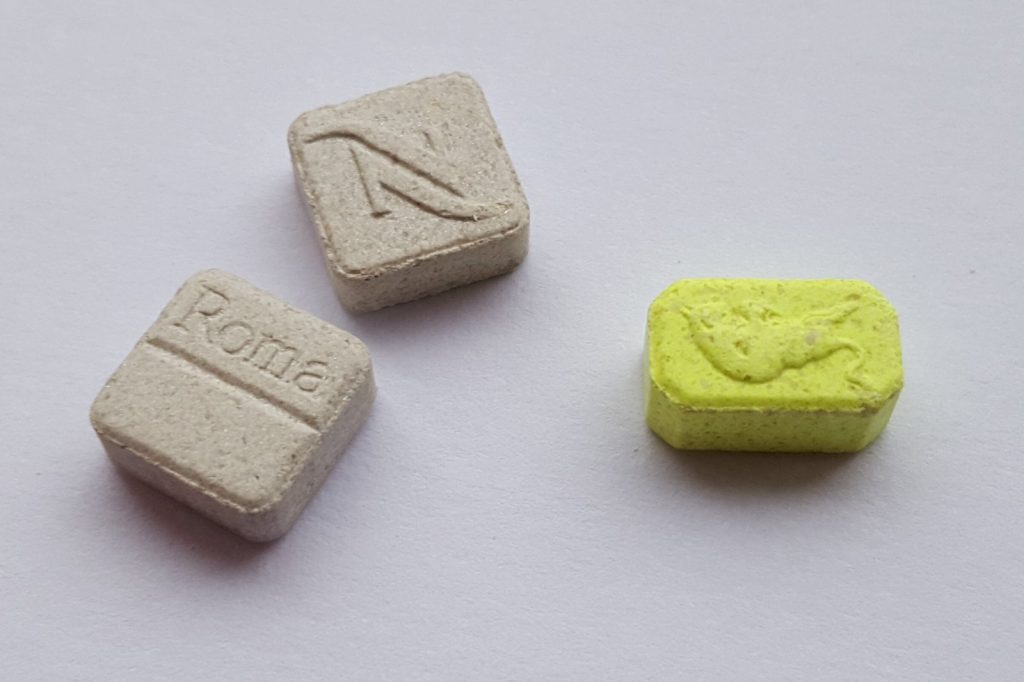
An FDA advisory panel voted 9-2 on Tuesday that MDMA paired with talk therapy is not effective for treating PTSD. A second vote, 10-1, found that the benefits of the treatment do not outweigh its risks. NPR reported that the result is a major setback for Lykos Therapeutics, the sponsor, and could jeopardize approval.
The FDA is free to ignore its advisers. After an all-day meeting full of objections, that would come as a surprise.
Trouble in the data
FDA staff and panelists listed gaps and uncertainties in the clinical research, unanswered questions about the drug’s potential for abuse, and little evidence behind the psychological approach used in the sessions.
“It seems like there are so many problems with the data,” said Melissa Barone, a psychologist with the VA Maryland Health Care System. “Each one alone might be okay, but when you pile them up on top of each other…”
Lykos pointed to two nearly identical randomized controlled trials. In one, 67% of people in the MDMA arm no longer met the diagnostic criteria for PTSD after three dosing sessions, against about 32% of those who got the therapy but a placebo. Berra Yazar-Klosinski, Lykos’s chief scientific officer, said the results support “significant and meaningful reductions in PTSD symptoms and functional impairment.”
FDA staff and panelists did not linger there. Many trial participants could tell they had received the real drug, a problem known as functional unblinding that can skew results. “Although we do have two positive studies, the results are in the context of dramatic functional unblinding,” said Dr. David Millis, a clinical reviewer for the FDA.
Abuse potential was a second sticking point. Trial data on how patients felt in the hours after dosing, including “euphoria” or “elevated mood,” was thin, even though the FDA had told the sponsors to collect it. “We noticed a striking lack of abuse-related adverse events,” Millis said. MDMA sits in Schedule I, but the agency’s review found its abuse potential matches that of a Schedule II stimulant, a category that includes cocaine. About 40% of the people enrolled had used MDMA before.
Lykos also presented follow-up observational data, not yet peer reviewed, that it said suggested the effect lasts at least six months. FDA staff noted a 25% dropout rate and said some participants sought other therapy or used illicit drugs, MDMA among them.
The talk therapy drew its own criticism. “The psychological intervention is still for me a bit of a black box,” said Dr. Paul Holtzheimer of the National Center for PTSD.
Misconduct allegations
Several panelists raised claims of misconduct and bias in the trials. FDA scientists gave no details but said the agency is looking into some of the claims, which came out in a petition and in outside reports. The petition cites an unnamed former employee of the company.
One documented case involves two Phase 2 therapists accused by a participant of inappropriate contact while she was under the influence of MDMA. A podcast later made videos of the therapists in bed with her public. “Let’s try to not gloss over this misconduct. It was sexual misconduct,” said Elizabeth Joniak-Grant, a sociologist on the panel. She added: “I can’t in good conscience support something where these many harms are being reported.”
Last month, the Institute for Clinical and Economic Review concluded there was too little evidence to judge the overall net benefit of the therapy. Its report said therapists and investigators may have encouraged reports of positive events and played down adverse ones. A trial participant wrote in a public comment to the FDA that her therapist urged her to see “worsening symptoms as evidence of healing and ‘spiritual awakening’,” and that she and others later struggled with suicidality.
Dr. Alia Lilienstein, senior medical director at Lykos, said suicidal ideation was comparable between the two groups during the study. “Of note there were no suicidal behaviors or attempts reported in the MDMA group,” she said. Neşe Devenot, a Johns Hopkins researcher who helped petition for the hearing, said the therapy model “incentivized boundary violations.”
Patients and veterans speak
Some of the strongest arguments for approval came from public commenters. Nick Brown, a military veteran from Colorado, said the treatment let him “get better sleep, have better relationships, and live what feels like a completely new life.” Jonathan Lubecky, a veteran who went through MDMA-assisted therapy ten years ago, told the panel: “Imagine how many lives your vote could save.”
Dr. Walter Dunn, a UCLA psychiatrist, was one of the few to vote that the treatment works. He acknowledged the misconduct allegations but said the effect sizes were large enough to show it can be effective.
Only two FDA-approved treatments for PTSD exist, and MDMA would be the first new one in decades. “We are charting new territory,” said Kim Witczak, a consumer representative on the committee. Lykos disputes the allegations and says it stands by its data.




