
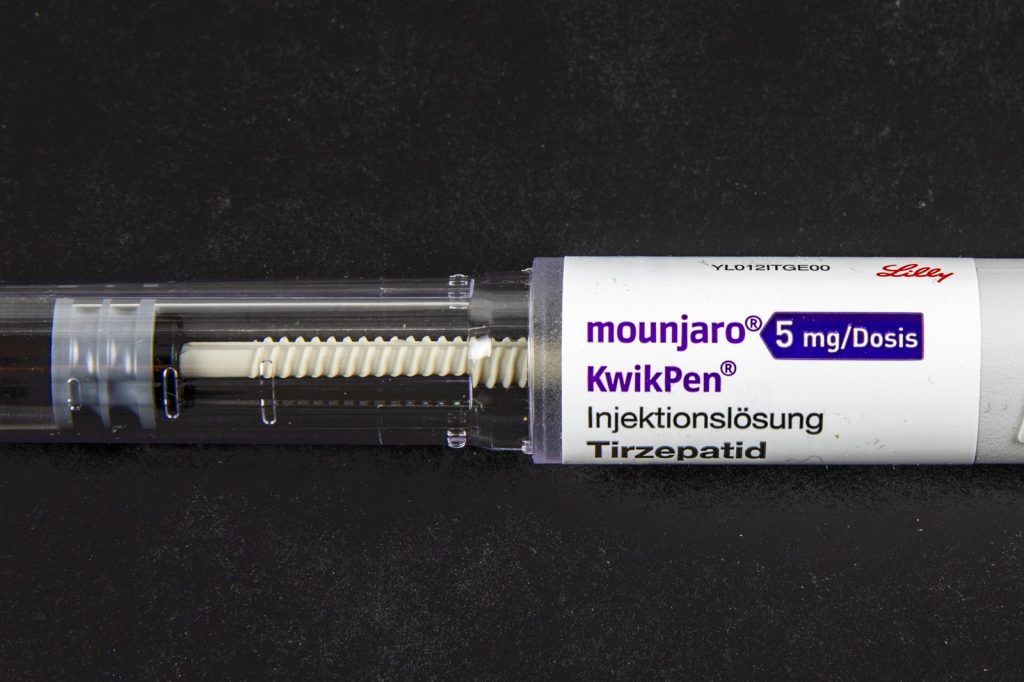
Tirzepatide, developed by Eli Lilly, represents a significant advancement in metabolic medicine, building on extensive research into the gut hormones GIP and GLP-1, which control appetite and blood sugar levels. The medication functions as both a GIP analog and a GLP-1 receptor agonist, a dual mechanism that distinguishes it from existing therapies.
The U.S. Food and Drug Administration classified it as first-in-class, a designation indicating a true departure from current treatments rather than a minor update. The drug’s regulatory journey moved quickly. U.S. authorities approved tirzepatide for type 2 diabetes in May 2022.
The European Union followed in September 2022, Canada in November 2022, and Australia in December 2022. This rapid global timeline suggests regulators found strong evidence of the drug’s efficacy and safety.
In November 2023, the FDA expanded approval to include weight loss, and the U.K.’s Medicines and Healthcare products Regulatory Agency updated its indication for Mounjaro that same month to cover weight management. In the United States, tirzepatide is marketed under two brand names: Mounjaro for diabetes and Zepbound for weight loss and obstructive sleep apnea. This distinction reflects regulators’ view of these as separate clinical applications, despite the identical active ingredient.
Patients receive the drug through subcutaneous injections, standard for peptide-based medications, which cannot be taken orally due to breakdown by stomach enzymes. Side effects are consistent with those of other GLP-1 receptor agonists, primarily gastrointestinal issues such as nausea, vomiting, and diarrhea.
Patients and healthcare providers weigh these risks against potential benefits, with many finding the trade-off acceptable. Access remains a key concern. While tirzepatide has regulatory approval in multiple wealthy nations, cost and insurance coverage will determine actual patient access.
Eli Lilly holds the patent, giving the company pricing control. No generic version has been announced, and such a development is likely years away, if it occurs at all.
The drug’s approval for obstructive sleep apnea is less widely noted but significant. Sleep apnea is frequently linked to obesity, and treating one condition often aids the other. Tirzepatide now has an indication directly addressing that connection, broadening its utility beyond metabolic control.
The science behind tirzepatide built on decades of endocrinology research. GIP was discovered in the 1970s, with GLP-1 identified later.
The concept that combining them could produce synergistic effects took years to validate in clinical trials. Eli Lilly invested heavily, resulting in a drug with multiple approved uses and potential for more. Competition exists, particularly from Novo Nordisk’s semaglutide, sold as Ozempic and Wegovy. Early data suggests tirzepatide may produce greater weight loss than semaglutide, fueling demand and straining supply.
Patients have reported delays in filling prescriptions. The drug’s development reflects a broader shift in medical understanding, recognizing that diabetes and obesity, long treated separately, share underlying biological pathways including insulin resistance, inflammation, and hormonal dysregulation.




