
Raleigh, October 6 — A new study has found that children with autism show higher levels of toxicants in their teeth than neurotypical children, suggesting longer and more repeated exposure to developmental poisons.
Published in Environmental Health Perspectives, the research analyzed teeth from 38 children with autism and 25 neurotypical children, all aged between 3 and 10, collected between 2016 and 2018. The findings indicate that the autism group had significantly elevated levels of lead, mercury, and other toxicants compared to the control group.
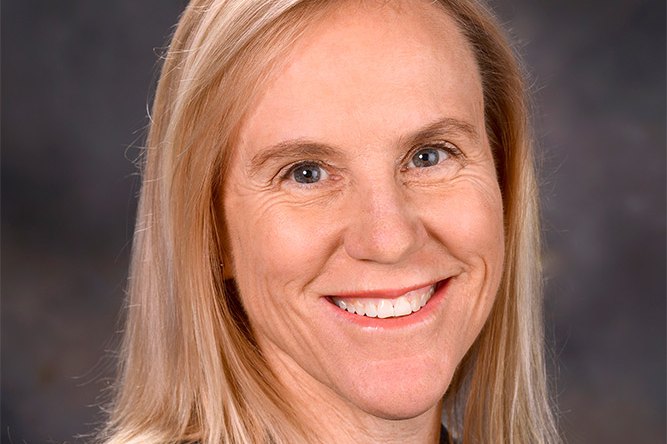
Dr. Heather Patisaul, a professor of toxicology at North Carolina State University and the study’s lead author, said the results point to chronic and repeated exposure over time. “Our findings suggest that the current regulatory limit for lead in children’s blood may not be protective of neurodevelopmental health,” she stated.
The study emphasizes that these children were not only exposed to a wider range of toxicants but also at higher concentrations and for longer durations than previously identified in short-term studies. This suggests a pattern of ongoing exposure that may begin early in life and persist through critical developmental windows.
Researchers note that teeth act as a biological record, capturing chemical exposure over time much like tree rings. By examining layers in the teeth, scientists can reconstruct when and how much a child was exposed to harmful substances during infancy and early childhood.
The findings add to growing concern about environmental contributors to neurodevelopmental conditions. While genetics play a role in autism, this research supports the idea that toxicant exposure may influence severity or expression of symptoms in some children.
Dr. Patisaul called for further research to understand how these exposures affect long-term health and whether reducing early contact with toxicants could improve outcomes. She also urged policymakers to reconsider existing safety thresholds in light of neurodevelopmental vulnerability.
The study does not claim that toxicants cause autism, but it highlights a significant disparity in body burden between groups that warrants deeper investigation. Future work will need to explore sources of exposure, such as diet, air, water, or household products, and assess potential interventions.
For now, the researchers advise families to stay informed about environmental risks and consult healthcare providers about minimizing exposure to known neurotoxicants, especially during pregnancy and early childhood.
Consult your doctor for medical advice.




