Molly Cassidy was 35, HPV-negative, a non-drinker and a non-smoker, and the first person in her family to get cancer. What doctors first took for a stress-related earache turned out to be an aggressive squamous cell carcinoma, a form of head and neck cancer. “To hear that I had cancer was really surprising,” she said.
Her doctors expected a cure. She went through surgery, then months of radiation and chemotherapy. A week after finishing, the cancer came back, with several tumors in her neck that were spreading to her lungs. “They put me on a palliative plan and I was told I need to get my affairs in order,” Cassidy said. “I wasn’t expected to live for more than a year.”
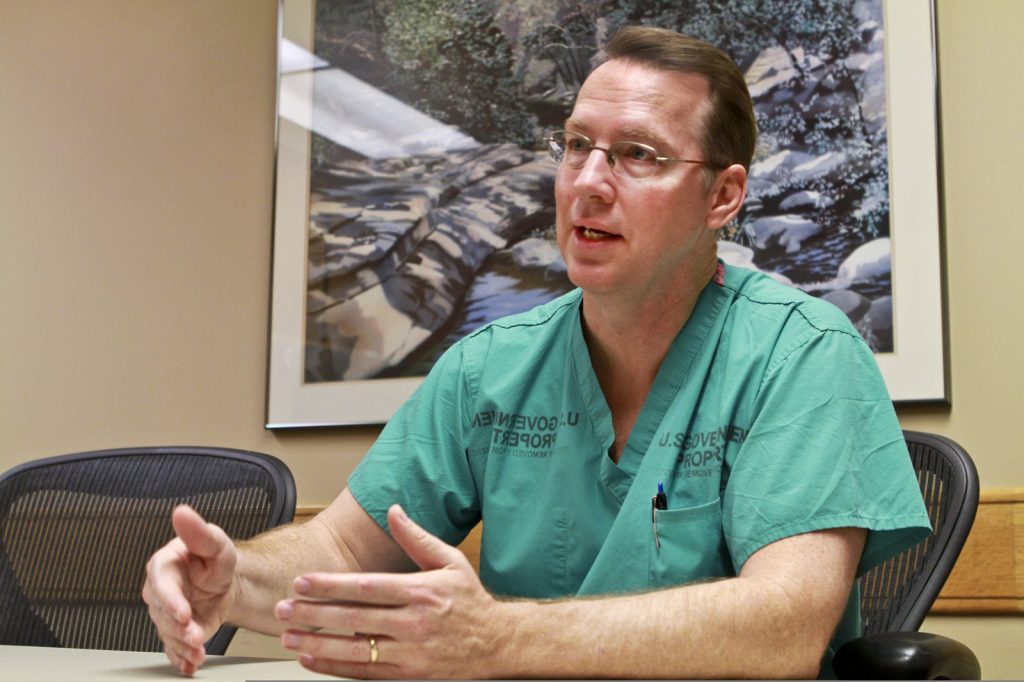
Because her cancer had returned and she was HPV-negative, she qualified for a phase one trial led by Dr. Julie Bauman, chief of hematology and oncology at the University of Arizona College of Medicine in Tucson.
How the vaccine is made
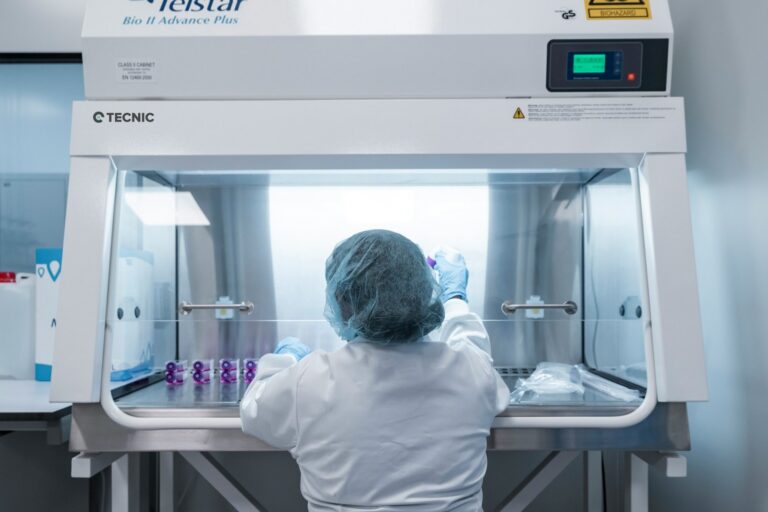
The trial, run with Moderna, paired the immunotherapy drug pembrolizumab with a personalized vaccine built from the patient’s own tumor DNA. Researchers sequence a sample of cancer cells and use an algorithm to compare it with the patient’s healthy DNA, which turns up the mutations unique to that tumor. Moderna then makes a messenger RNA vaccine that trains the right T-cells to recognize the abnormal proteins those mutations produce.
Bauman compared it to a Trojan horse. “We’re awakening T-cells, but we’re saying this is the particular class of T-cells that we are calling,” she said.
Each patient got two doses of pembrolizumab over six weeks while Moderna built the vaccine. After that, patients received a vaccine dose every three weeks for nine weeks, alongside pembrolizumab, with CAT scans tracking the cancer.
The results
Ten patients took part. Five responded, meaning the cancer mass shrank by 30%. Two had a complete response, with no detectable cancer. Cassidy was one of them. The vaccines proved safe.
Bauman is cautious. “Although it is only 10 patients, and we have to not only overpromise … it is a really strong signal to expand the study,” she said. She noted that the checkpoint drugs currently approved for head and neck cancer work in only 10-15% of patients, and that they can set off autoimmune side effects when T-cells attack healthy tissue.
The next phase will enroll 40 participants. Bauman is looking at how to optimize the vaccine, possibly with a drug other than pembrolizumab, and her team has taken T-cell samples from patients to learn which mutations the cells respond to best.
Treatment was hard on Cassidy at first. Once she got past the early side effects, she said, her energy came back and the pain eased. She now talks with dentists and uses her platform to teach people what a healthy mouth looks like and how to spot signs of oral cancer. Her priorities have changed, too. “It also brought forth what are the most important things for me — my son and husband and the importance of slowing down and enjoying my time with my family,” she said.
Consult your doctor for medical advice.