
WASHINGTON, Sept. 7 — The gap between what the average saver earns and what the best accounts pay has rarely been wider. The national average interest rate on savings accounts stands at 0.38%, according to the FDIC’s rate update released August 17. The top 1% of accounts, by contrast, are paying an average annual percentage yield of 3.88%, per DepositAccounts.com, which tracks roughly 275,000 rates at more than 11,000 banks and credit unions.
The mechanics here are straightforward: the federal-funds rate — the rate at which banks lend to one another overnight — is the benchmark that influences savings yields across the economy. When the Fed cuts, yields drop.
When it raises, yields generally follow. And the Fed has been holding steady. On July 29, the central bank kept its benchmark rate unchanged for the fifth consecutive time.
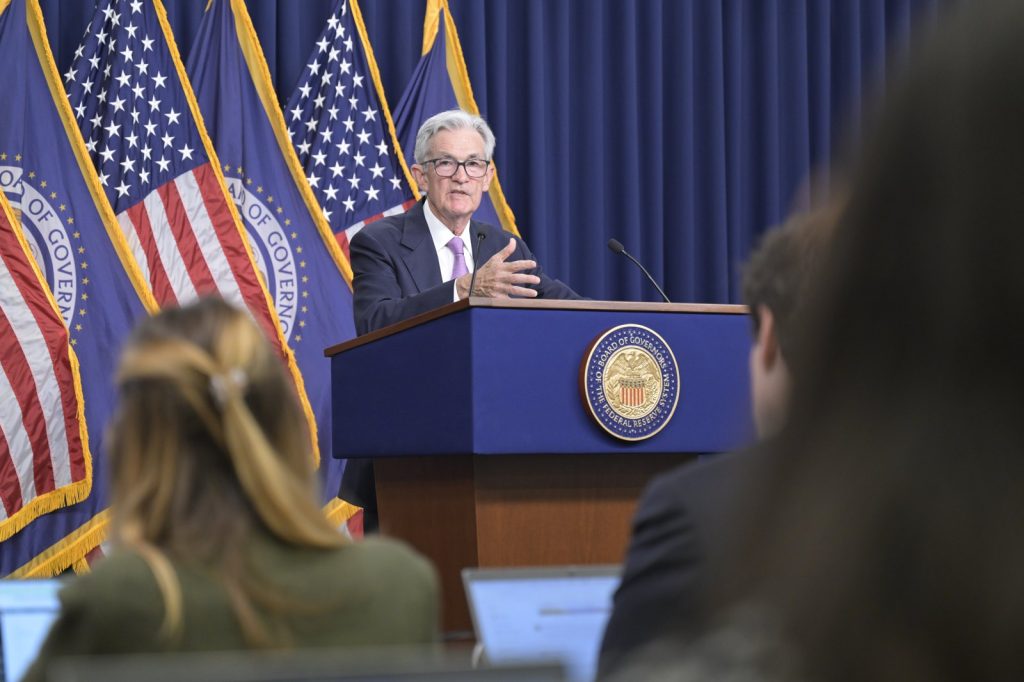
The decision was not unanimous: three policymakers voted to raise the rate by a quarter-point. Chairman Kevin Warsh told reporters the committee is monitoring the effect of energy shocks from Middle East conflict and booming U.S. demand for data centers.
“We take these shocks seriously,” Warsh said. “We’re not looking through them and saying ‘Oh, they don’t matter,’ but we’re trying to understand to what extent are these shocks broadening in their effects.” The likely direction is up. If the Fed raises before year-end, savers could see higher yields.
But the catch is that rates fluctuate with market conditions, and a bank can change its advertised yield at any moment. Banks set savings rates on the spread they want between what they pay depositors and what they charge borrowers. The spread can be wide: an institution might pay 4.50% on deposits while charging 8.99% on a loan.
Competitive pressure among institutions also shapes what lands in your account. Where you park cash matters.
Traditional savings accounts at brick-and-mortar banks carry FDIC or NCUA insurance but often pay less. High-yield savings accounts offer the same protections with better rates, typically from online institutions or smaller community banks and credit unions. Money-market accounts add check-writing and sometimes debit card access, with rates above traditional checking.
Some high-yield accounts require a minimum deposit or balance to earn the top advertised rate; the Buy Side research team focused on accounts requiring $5,000 or less to open. Watch the Fed’s next move.
A quarter-point hike before the end of the year would likely push the best yields higher still — but only for savers who are already looking.




