
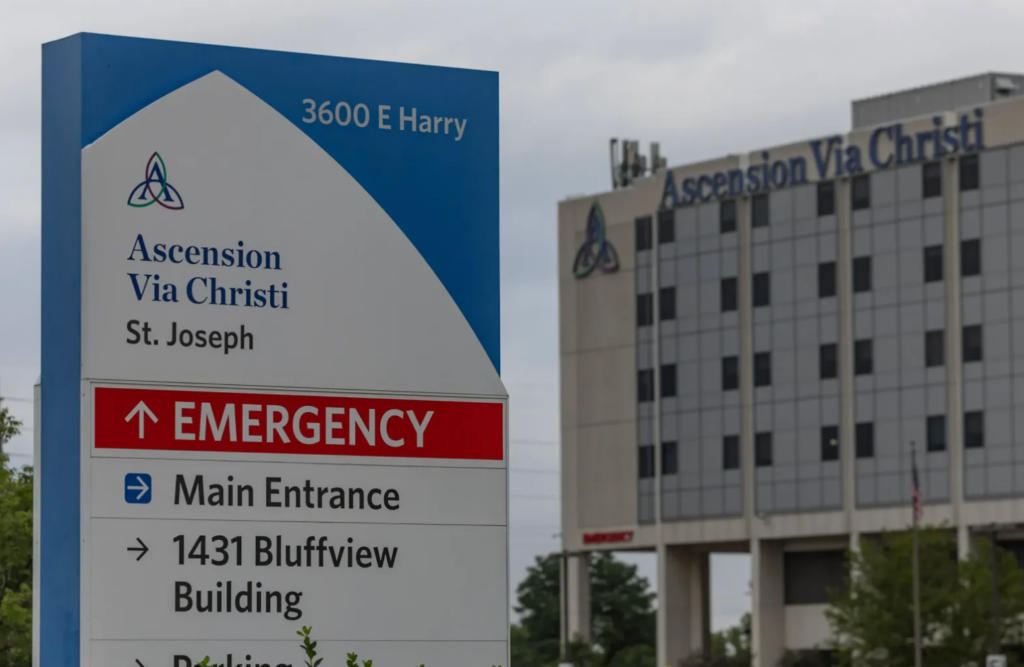
Effective July 1, 2025, Ascension—one of the United States’ largest nonprofit Catholic health systems—maintains an extensive presence in 17 states and the District of Columbia. The organization employs roughly 142,000 staff members, oversees 90 hospitals and operates 40 senior‑living facilities.
These numbers place Ascension among the nation’s biggest nonprofit and Catholic health networks, underscoring its pivotal role in American health care.
Origins and Guiding Principles
Formed in 1999 through the merger of two Catholic health entities, Ascension’s early history set the tone for its present‑day mission. The system adheres to the Ethical and Religious Directives for Catholic Health Care Services, which shape its clinical policies, ethical decisions and overall operational philosophy.
For‑Profit Activities and Revenue
Beyond its charitable core, Ascension runs a series of for‑profit subsidiaries that span private‑equity investments, venture‑capital funding, health‑insurance products, medical‑software development and pharmacy‑delivery services. This diversification supports a broad financial base.
In fiscal year 2021, the system reported operating revenue of $27.2 billion, reflecting both the scale of services delivered and its economic influence within the health‑care sector.
Leadership Compensation
Joseph R. Impicciche serves as President and Chief Executive Officer.
His compensation ranks among the highest for executives of nonprofit health organizations in the United States, a fact that highlights the complexity of steering a network of Ascension’s size and scope.
Recent Scrutiny and Operational Challenges
Ascension’s scale has not insulated it from controversy. A 2022 investigation by The New York Times alleged that system‑wide layoffs contributed to a staffing shortage, prompting nurses and physicians to file complaints that linked the cuts to potentially preventable deaths. In parallel, the labor union National Nurses United has claimed that the system’s operational pressures may be compromising patient‑care quality.
These allegations point to the delicate balance Ascension must strike among fiscal sustainability, staffing adequacy and adherence to its religious‑based care standards. The organization’s response—whether through staffing adjustments, policy revisions or other corrective measures—will be closely watched by regulators, patients and the broader public.
Future Outlook
Looking ahead, Ascension’s strategies for navigating a rapidly changing health‑care environment will be critical. The system’s ability to integrate its for‑profit ventures with its nonprofit mission, address staffing concerns, and uphold the Ethical and Religious Directives will shape both its own trajectory and broader trends within the industry. As a major Catholic health system, Ascension’s decisions carry weight beyond its own facilities, influencing policy discussions, market dynamics and expectations for faith‑based health care across the United States.
Continued observation of its operational adjustments and ethical commitments will be essential for stakeholders seeking insight into the evolving landscape of American health services.




