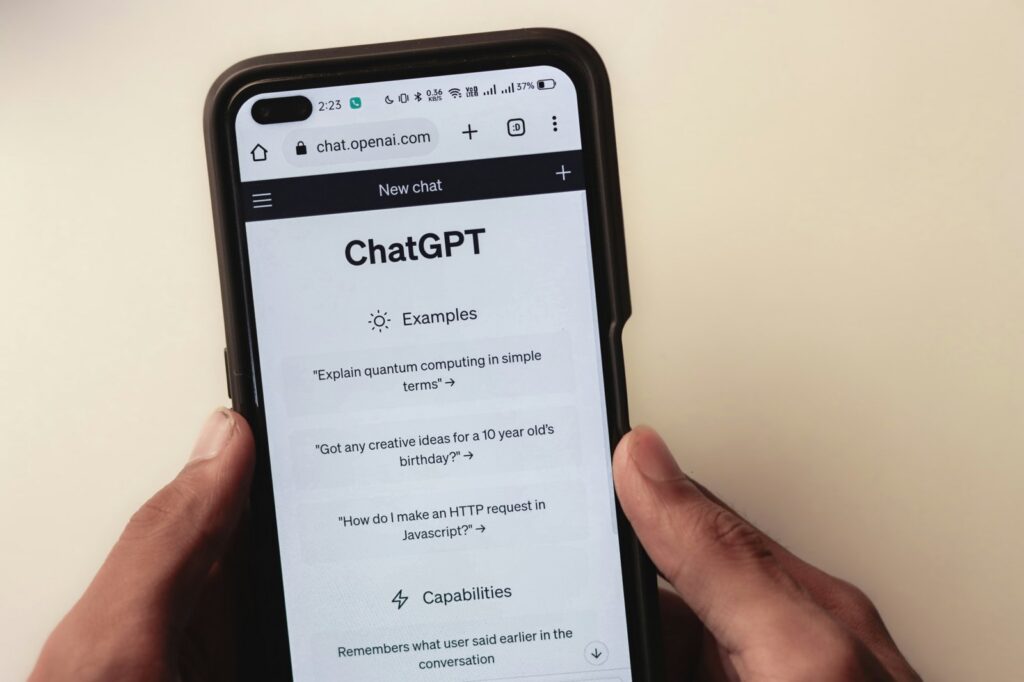
LAS VEGAS, November 16, 2026 — Apple launched the Apple Health AI Usage Study on Sunday, opening enrollment for up to 200,000 participants in the United States. The study, announced at the HLTH conference here, partners with OpenEvidence to examine how people interact with clinically grounded AI chatbots for health questions.
Study Design and Eligibility
The study targets adults aged 21 and older who reside in the U.S. and own an iPhone 15 or later running iOS 26 with Apple Intelligence enabled. Apple aims to run the study for more than 12 months. Participants will use a dedicated iOS app to ask text-based health questions and receive answers linked to peer-reviewed clinical citations from sources including The New England Journal of Medicine, JAMA, Nature, and the Cochrane Database of Systematic Reviews.
During a press briefing, Apple said the study aims to understand comprehension, response quality, drivers of user trust, and everyday health actions taken after AI interaction. Monthly surveys will track longitudinal engagement and trust evolution. The app also helps prepare users for doctor visits and guides them to providers for concerning issues.
Clinical Partnership with OpenEvidence
OpenEvidence is a clinical AI platform widely used by healthcare professionals. CEO Daniel Nadler described the partnership at HLTH as combining the most trusted consumer brand with the most trusted clinician brand. The platform generates answers using established medical literature, bringing peer-reviewed citations directly into the consumer chat experience.
Dr. Robert M. Wachter, chair of the Department of Medicine at UCSF, noted that patients and clinicians have been turning to AI tools built and tested in separate worlds. He said connecting these tools and rigorously studying what works could help patients arrive better prepared for clinical visits.
Privacy Architecture
Apple emphasized privacy protections built into the study design. Study data will not be used to train AI models. OpenEvidence deletes query and response data after 24 hours. Data is anonymized before being sent to a secure third-party cloud provider. Participants retain control over whether to share HealthKit metrics — such as sleep, activity, resting heart rate, and lab results — or survey responses.
The app requires an Apple Intelligence-enabled iPhone for on-device processing capabilities, including the use of Apple Foundation Models to classify question categories. However, the app does not integrate with Siri or Apple Intelligence for the chat interface itself.
Context and Scope
Apple’s briefing noted that one in three U.S. adults already use AI chatbots for health information. Since 2019, Apple has run health studies on hearing, heart health, movement, and women’s health through its Research app. This latest study focuses specifically on how clinically grounded answers affect trust, comprehension, and real-world engagement.
Sumbul Desai, Apple’s vice president of Health and Fitness, said responsible innovation starts with scientific rigor and clinical grounding. She added that insights from the study will help advance the broader scientific conversation and ensure trusted tools that support people on their health journey.
The app is available for download starting today for U.S. users meeting the eligibility criteria.
Sources
- Apple Launches New App to Study How People Use AI for Health – CNET
- Apple launches new app to study how people use AI for health | TechCrunch
- Apple launches research study to explore the use of AI for health
- Apple and OpenEvidence launch experimental health chat app
- Apple’s new study looks to improve the effectiveness of AI health tools
Photo: Sanket Mishra / Unsplash (Unsplash License)