
For a family sitting in a neurologist’s office after an early Alzheimer’s diagnosis, the question used to be what could be done. Now there are two answers, both given by infusion, and both come with fine print.
Leqembi, the first
On July 6, 2023 the FDA granted traditional approval to lecanemab, which Eisai and Biogen market as Leqembi. It targets amyloid-beta plaques that build up in the brain. The decision rested on CLARITY-AD, a phase 3 trial that enrolled 1,795 people at the mild cognitive impairment or early dementia stage of the disease. They received 10mg/kg of the drug or a placebo every two weeks by infusion.
After 18 months, clinical decline was 27% lower in the lecanemab group. On quality-of-life scales, decline was cut by 50% on average. Alzheimer’s Association chief Joanne Pike said it could give people in the early stages more time to keep their independence and do the things they love.
Kisunla follows
In July 2024 the agency approved Eli Lilly’s donanemab, sold as Kisunla, a monthly infusion for adults in the early symptomatic stage who have confirmed amyloid. Its phase 3 study, TRAILBLAZER-ALZ 2, enrolled 1736 people aged 60 to 85 from 8 countries. Among the 1182 with low-medium tau, decline on the iADRS scale slowed by 35%. Across everyone, including 552 with high tau, the response was 22%. Participants were 39% less likely than those on placebo to move on to the next stage of the illness.
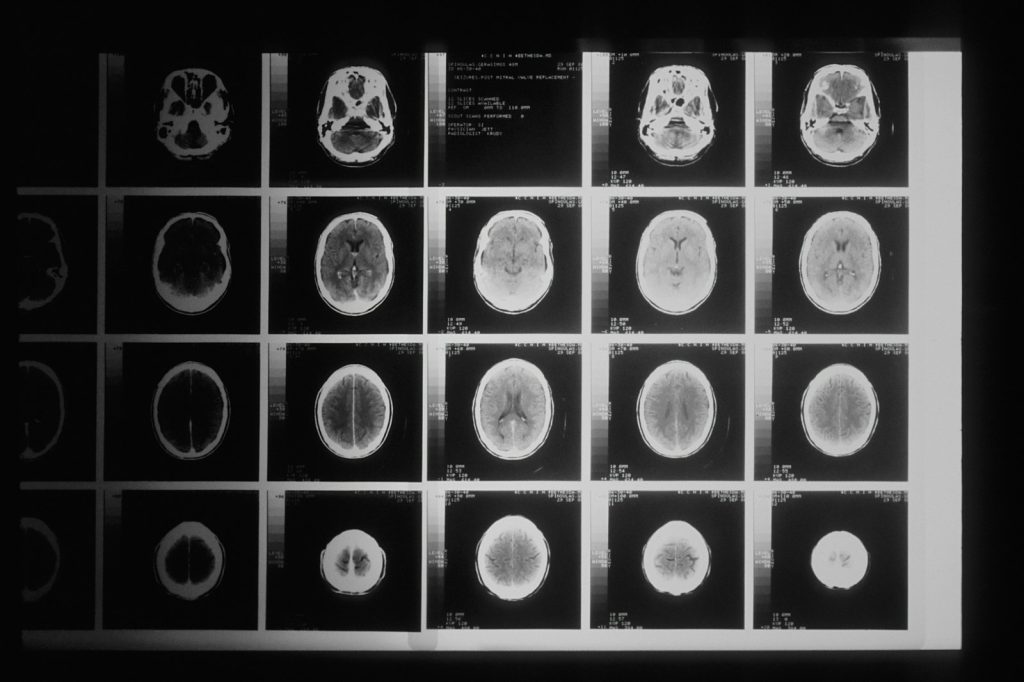
Amyloid plaques on PET scans dropped by an average of 61% at 6 months, 80% at 12 months and 84% at 18 months. Patients whose scans showed minimal plaque were switched to placebo, which makes Kisunla the first plaque-targeting drug backed by evidence that treatment can stop once plaques are cleared. Lilly says that can mean fewer infusions and a lower bill. The FDA advisory committee had voted 11-0 twice in its favor, and Lilly had been seeking approval since July 2022.
The risks
Both labels carry a boxed warning about amyloid-related imaging abnormalities, or ARIA: temporary brain swelling that may come with small bleeds. Most cases are mild or silent. Severe ARIA, though, can bring seizures and other dangerous symptoms. In CLARITY-AD the reported incidence of severe cases was 0.7%.
People who carry the ApoE e4 variant in duplicate face a much higher rate, so lecanemab’s prescribing information calls for genetic testing before treatment. Patients on blood thinners had more brain bleeds. Monitoring includes three MRI scans in the first 14 weeks. CMS, the main US payer, broadened its coverage of lecanemab, and it now applies to anyone with early disease and confirmed plaques.
Sources
- FDA grants traditional approval for lecanemab for treatment of early Alzheimer's disease (Alzheimer Europe)
- Donanemab/Kisunla Approved to Treat Early Alzheimer Disease (Practical Neurology)
- FDA Approves Lilly's Amyloid-Targeting Kisunla for Early Alzheimer's (GEN)




