
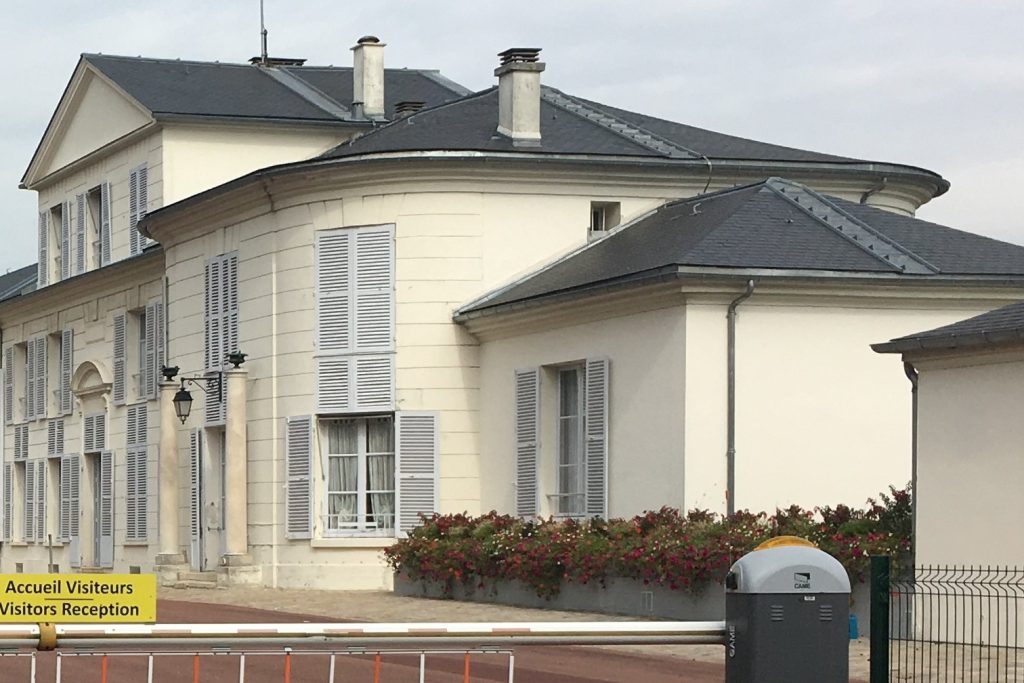
Versailles, October 16 — Global timekeepers have voted to abolish leap seconds by May 20, 2027, ending a decades-long practice of adjusting Coordinated Universal Time to match Earth’s irregular rotation. The decision, made at the General Conference on Weights and Measures in Versailles, favors big tech companies that have long argued leap seconds impose technical and financial burdens on their infrastructure.
Meta, Google, Amazon, and Microsoft have pushed for the change, saying leap seconds cause severe software crashes and outages because most code assumes time moves forward uniformly with exactly 60 seconds per minute. The insertion of a 61st second breaks this assumption, leading to untested and fragile handling in software systems, as seen in past disruptions at Reddit, LinkedIn, and Cloudflare, delayed flights, and interrupted financial transaction trails.
Engineers warn a growing concern is the threat of a ‘negative leap second,’ which would require subtracting a second from UTC due to Earth’s recent rotational acceleration — a scenario never tested globally and feared to trigger unpredictable, systemic failures akin to a Y2K-level event. Managing leap seconds also imposes high costs and infrastructure strain, particularly for companies operating distributed data centers requiring millisecond-level synchronization, with Meta engineers describing them as a ‘major source of pain’ for hardware teams.
To mitigate issues, tech companies have developed proprietary workarounds: Google pioneered ‘time smearing,’ spreading the extra second across a 20-hour window in tiny increments, while others use different methods, creating dangerous desynchronizations between corporate networks. International metrologists supported the 2027 abolishment to prevent further divergence and maintain coherence in global timekeeping, citing the risk of losing tech companies to incompatible, private time systems.
Looking ahead, the shift will require coordinated updates across global systems to ensure a smooth transition to a continuous time scale without leap seconds.




