
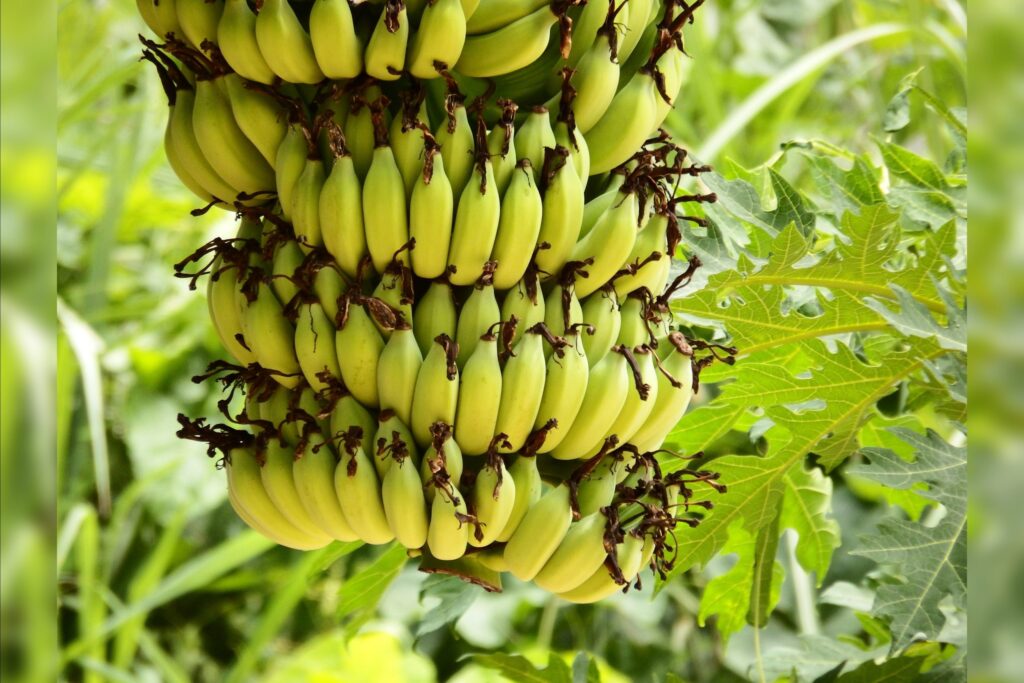
LONDON — That hard, sour banana you skipped this morning? It might have been the smarter choice. The fruit’s green stage, long dismissed as mere unripeness, delivers a carbohydrate called resistant starch.
And that starch does something ripe bananas cannot: it feeds gut bacteria directly. The mechanism is simple enough.
Resistant starch passes through the small intestine undigested. It hits the large bowel and ferments there. That fermentation is fuel for beneficial microbes.
The practical effect for the person eating the banana is a slower glucose release into the bloodstream. A yellow banana, by contrast, can spike blood sugar more sharply.
For anyone managing insulin response — diabetics, pre-diabetics, athletes watching energy levels — the difference matters. This is not new science. The nutritional literature on resistant starch is decades old.
What has shifted is the public conversation. The green banana is being reframed as a deliberate food choice, not a mistake in the fruit bowl. The same fruit that gets passed over for being “not ready yet” is, for a certain cohort, the more technically interesting option.
The consequences ripple outward. Grocery stores may need to rethink display.
Right now, green bananas sit next to yellow ones, and consumers grab the yellow. If the health-conscious buyer starts hunting for green, the visual cue of ripeness loses its power. The banana that looks unappealing becomes the one with the premium.
Food manufacturers are watching. Resistant starch is already used in processed foods as a fibre additive.
But whole-food sources — green bananas, cooked-and-cooled potatoes, raw oats — are cheaper and carry no ingredient label. A company could market a green banana flour or a green banana snack bar without inventing anything. The raw material is already in the supply chain.
The ripening process itself becomes a liability. As the banana ripens, its resistant starch converts into simple sugars. That is the chemical reaction that makes a yellow banana taste sweet.
It is also the reaction that, for some consumers, makes it less ideal from a glycemic standpoint. The same fruit, same plant, same genetics — but a few days of enzymatic activity change its metabolic profile entirely.
No one named the experts behind this latest push. The source material does not name institutions or researchers. That is unusual for a health story.
It suggests the information is being driven by food science consensus rather than a single study or a celebrity endorsement. The mechanism is well-established.
The novelty is in the application. What to watch next. Expect dietitians and diabetes educators to start mentioning green bananas alongside oats and legumes.
Expect recipe blogs to run “green banana smoothie” and “green banana porridge” pieces. Expect the produce aisle to stay quiet about it — supermarkets sell bananas by volume, not by glycemic index. The green banana may remain the underdog in the fruit bowl, but its technical edge is real.
For anyone paying attention to gut health and blood sugar, the hard, astringent banana is not a mistake. It is a different product with different properties.
The question is whether consumers will treat it that way.




