
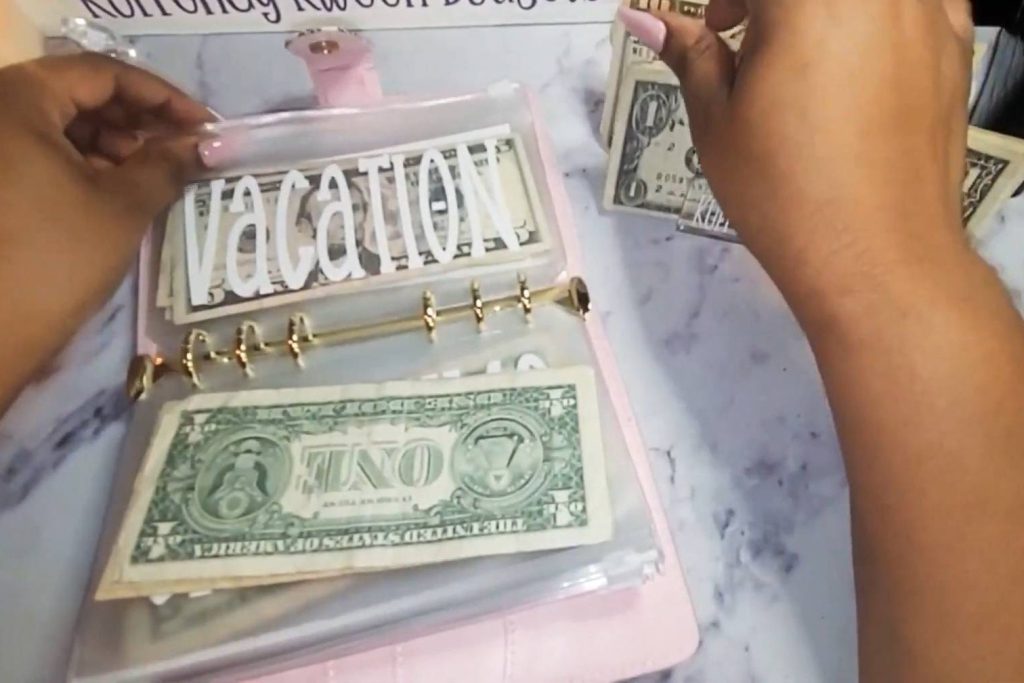
NEW YORK — The envelope system is back. Cash for groceries, cash for gas, cash for fun. When the envelope is empty, you stop.
No app required. That was one of the top responses when InfoPulse Today asked readers how they actually save money.
The question went out after payday, after the bills got paid, after that familiar hollow feeling of having less left over than expected. The answers that came back shared a quiet theme: saving isn’t about earning more. It’s about building walls around your own spending.
Automation is another wall. One reader described setting up a transfer the same day their paycheck lands.
“You can’t spend what you don’t see,” they wrote. The psychology is blunt. Remove the choice before the choice exists.
The money goes into savings before the brain has time to rationalize a purchase. It’s a trick that works because it doesn’t rely on willpower at 8 p.m. on a Tuesday when you’re tired and Amazon is one click away. Then there is the seasonal discount strategy.
Winter coats in March. Patio furniture in September.
One reader said they keep a running list of what they actually need and wait for the right sale. No impulse buys. No “deal of the day” traps.
They plan big purchases around holiday sales, not around the sudden urge to own something. Behind these hacks is a deeper force.
Readers aren’t just saving for a rainy day. They’re saving for freedom. The ability to say no to a job they hate.
The ability to say yes to a trip with family. The peace of mind that comes from having a buffer between them and the world. One parent described teaching their kids with three jars — one for spending, one for saving, one for giving.
The lesson sticks long after the coins are gone.
The human side of discipline
What this means for families is simple. Small, consistent habits build a cushion over time. No single trick is revolutionary.
The envelope system is older than credit cards. Automation has been around for decades.
Seasonal shopping is common sense. But the readers who wrote in are doing them. That’s the difference.
The amounts people save vary wildly. Some save for vacations.
Some for retirement. Some for their children’s education. The goal is universal: control over your own life.
That’s what the hacks are really about. Not pinching pennies for the sake of it. Not deprivation.
Just the slow, unglamorous work of building a buffer so that life doesn’t happen to you — you happen to it. The envelope system works because it forces a hard stop.
No overdraft. No “I’ll pay it back next week.” Just the physical reality of an empty envelope. Automation works because it removes the temptation before it arrives.
Seasonal shopping works because it replaces impulse with patience. Each hack is a small cage for a specific kind of impulse.
None of this is new. But the fact that so many readers volunteered the same strategies suggests something. People are tired of the noise.
They’re tired of apps that gamify saving, of algorithms that push spending, of the constant pressure to optimize every dollar. They want simple rules that work. Cash in an envelope.
Money moved before you can touch it. A list on the fridge.
That’s it. The savings amounts don’t have to be big. The reader with the three jars isn’t teaching their kids about compound interest.
They’re teaching them a habit. The habit is what lasts.
The jar for giving, the jar for saving, the jar for spending — it’s a physical model of a value system. And it works because a child can see the coins move. The forces behind this are human, not financial.
Discipline. Patience. The willingness to wait.
Those are the real hacks. Everything else is just a container for them.
Where this leads is predictable. More people will rediscover the old methods because the old methods require nothing but the nerve to say no to yourself. No subscription.
No algorithm. Just a choice, made over and over, until it becomes automatic.




