
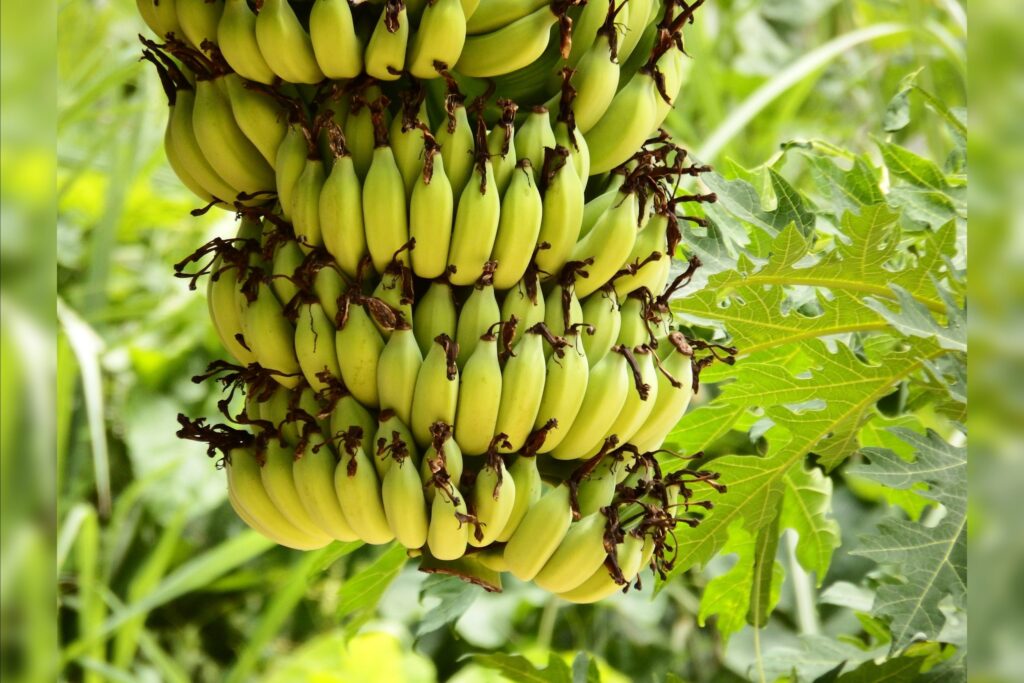
Green bananas have been the office punchline for decades. The fruit nobody wants. The one that sits in the bowl turning brown while everyone waits for the yellow ones to disappear first.
That same fruit is now the subject of a quiet nutritional rethink. Experts are pointing to something called resistant starch.
It is the key difference. Unlike the soft, sweet yellow banana, the green version is packed with this particular carbohydrate. The mechanism is straightforward: resistant starch acts more like soluble fibre than a typical starch.
It passes through the small intestine undigested. It ferments in the large bowel.
That fermentation feeds beneficial gut bacteria. The practical effect is a slower release of glucose into the bloodstream. A ripe banana can spike blood sugar more sharply.
For anyone managing insulin response, or just trying to keep energy levels steady, the green banana offers a different metabolic profile. The same fruit that gets tossed aside for being “not ready yet” may actually be the more technically interesting option for health-conscious consumers. This is not new science.
The nutritional mechanism is well-established in food science literature. What is new is the push to get people to notice it.
The source material does not name the specific experts or institutions behind this latest push. But the message is clear: the green banana is not a mistake. It is a different product with different properties.
The resistant starch content declines as the banana ripens. It converts into simple sugars.
That is the very process that makes a yellow banana taste sweet. And for some, that sweetness makes it less ideal from a glycemic standpoint. The green banana, by contrast, is starchy and astringent.
It is not appealing in the same way. But it may be more useful. This matters now because of the broader cultural shift toward managing blood sugar.
Continuous glucose monitors have become common among people who do not have diabetes. The idea of steady energy, avoiding crashes, has moved from niche athletic circles into mainstream wellness.
The green banana fits that narrative. It is a cheap, widely available food that does something different from what most people assume. There is a wry irony in all of this.
The fruit that gets ignored in the office fruit bowl is the one that might actually be the smarter choice for a certain cohort. The green banana is not a mistake.
It is just misunderstood. The question is whether that misunderstanding will shift. The experts are making their case.
The nutritional data is on the table. The rest is up to the consumer.




