
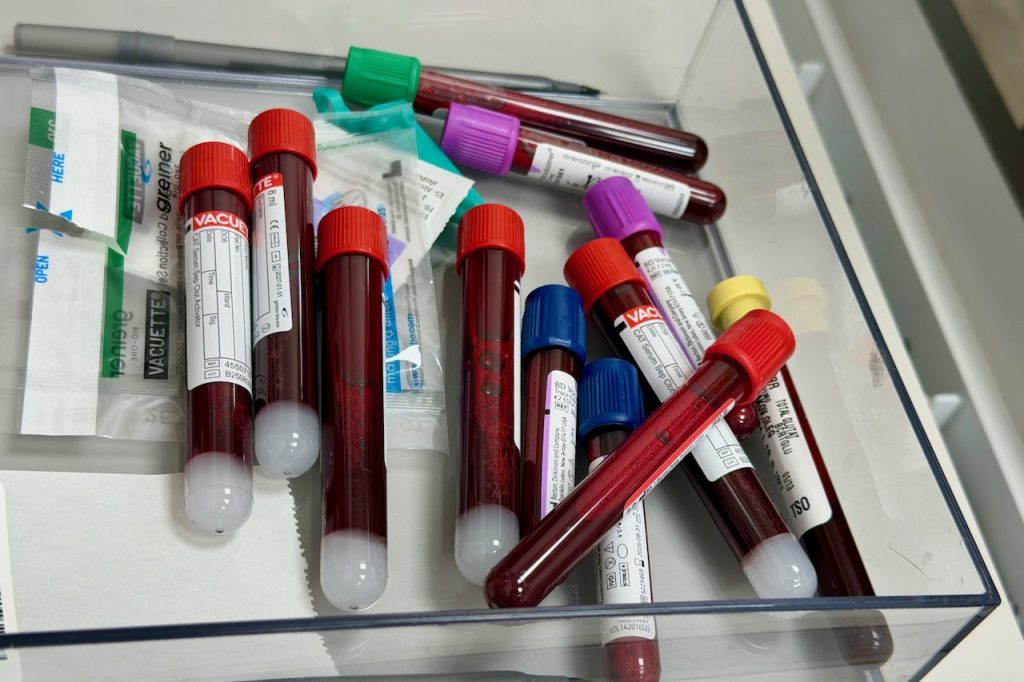
BENGALURU, July 7 — Strand Life Sciences, the genomic diagnostics subsidiary of Reliance Industries Limited, has secured an Indian patent for an integrated platform designed to detect cancer early from a simple blood test. The company announced the development on Tuesday, positioning the technology as a potential shift in how oncology screening could be approached across India and Asia. The patented platform uses cell-free DNA analysis drawn from a blood sample.
It combines genome sequencing, methylation analysis, fragmentomic feature extraction, and machine learning into a single workflow. Strand Life Sciences operates in the precision medicine space, developing non-invasive tests for cancer and other diseases.
For a market like India, where cancer detection often happens at advanced stages due to limited screening infrastructure, a blood-based test that does not require tissue biopsies could change diagnostic timelines. Analysts note that non-invasive liquid biopsy approaches have drawn increasing attention from healthcare investors across Asia, particularly in markets with large populations and rising cancer incidence. Strand Life Sciences is based in Bengaluru and functions as a subsidiary of Reliance Industries Limited.
The parent company, led by Mukesh Ambani, has been expanding its footprint in healthcare and life sciences through its Jio and retail arms. The Strand acquisition gave Reliance a foothold in genomic diagnostics and research.
The technology behind the patent
The integrated platform works by analyzing cell-free DNA — fragments of genetic material that circulate in the bloodstream. Tumor cells shed this DNA into the blood, and the platform captures multiple signals from those fragments. Genome sequencing reads the genetic code.
Methylation analysis looks at chemical modifications that can indicate cancer. Fragmentomic feature extraction examines the size and pattern of DNA fragments.
Machine learning algorithms then process these data layers to identify signatures associated with early-stage cancer. Strand Life Sciences has focused on making these tests non-invasive. A standard blood draw replaces the need for surgical tissue sampling, which can be difficult to access in smaller cities and rural areas across India.
The company has previously stated that its goal is to bring down costs enough to make genomic screening accessible to a broader population.
Market implications
The Indian patent grants Strand exclusive rights to the integrated platform within the country. For Reliance, this adds intellectual property to a healthcare portfolio that already includes hospital partnerships, diagnostic chains, and digital health platforms through Jio. The broader Asian diagnostics market has seen a surge in liquid biopsy research, with companies in China, Singapore, and South Korea also pursuing similar approaches.
Industry observers point out that regulatory pathways for such tests remain under development in India. The Central Drugs Standard Control Organisation and the Indian Council of Medical Research have been working on frameworks for genomic and liquid biopsy diagnostics, but formal guidelines are still evolving.
Strand will need to navigate these regulatory processes before the platform can be deployed clinically at scale. The company has not disclosed a timeline for commercial launch or clinical validation studies beyond the patent announcement. According to officials familiar with the sector, the next steps typically involve large-scale clinical trials to demonstrate sensitivity and specificity across different cancer types and stages.
What to watch
Investors and healthcare analysts will be watching for clinical data from Strand’s platform, as well as any partnership announcements with hospital chains or diagnostic networks. The patent provides a legal moat, but the real test will be whether the technology can deliver reliable early detection at a price point that works for Indian patients and insurers. Across Asia, where cancer screening rates remain low in many countries, a validated blood test could open a significant market — if the science holds up.




