
NEW YORK, July 14 — Alzheimer’s disease now carries a total price tag of $345 billion in annual health-care, long-term care and hospice payments in the United States, according to the Alzheimer’s Association. That figure, covering 2023, makes it the most expensive disease in the country. Medicare and Medicaid together cover about 67% of those costs.
The per-person numbers are stark. Average annual Medicare spending for a beneficiary with Alzheimer’s runs $28,000 — more than three times the $8,000 spent on a beneficiary without the disease.
The patient population is set to swell: 6.5 million Americans aged 65 and older had Alzheimer’s in 2023, and the association projects that number will more than double to 13.8 million by 2060, driven by the aging baby boomer generation. The global Alzheimer’s drug market stood at roughly $5.6 billion in 2022, and the arrival of disease-modifying therapies is expected to push it higher. One of the new entrants, lecanemab, carries a list price of $26,500 per year.
Analysts at firms including Jefferies estimate that if widely adopted, the drug could generate peak annual sales of $9 billion to $15 billion. The technical reality, as ever, is more complicated.
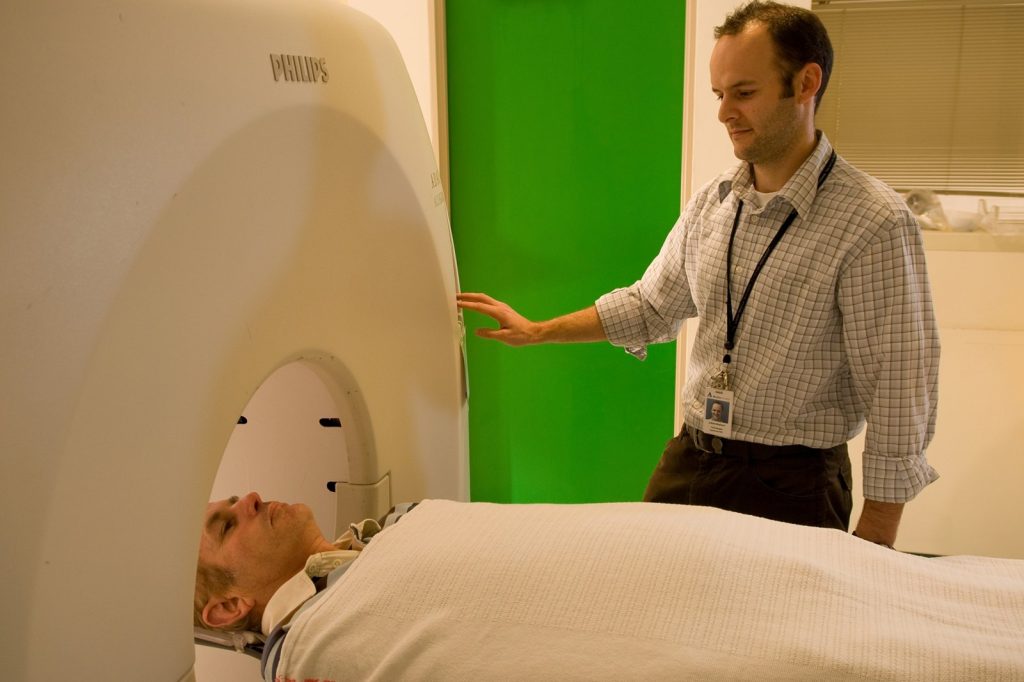
The Centers for Medicare & Medicaid Services has imposed coverage restrictions that may slow uptake. Before treatment, patients need confirmation of amyloid pathology — typically via a PET scan or a cerebrospinal fluid test. Those scans cost between $3,000 and $6,000 each.
The detail that matters: that diagnostic hurdle, combined with the coverage rules, could limit how many patients actually get the drug, and thus how quickly those projected sales materialise. The economic burden extends well beyond the formal health-care system. In 2022, more than 11 million family members and friends provided an estimated 18 billion hours of unpaid care for people with Alzheimer’s.
The Alzheimer’s Association valued that labour at $339.5 billion — a figure that roughly matches the total direct medical costs. Under the hood, those unpaid hours represent a hidden subsidy that keeps the system running.
As the population ages and the number of Alzheimer’s patients climbs toward 13.8 million, the question of who provides that care — and at what personal and financial cost — becomes harder to ignore. For investors, the stakes are clear: the potential market is enormous, but the path to revenue runs through CMS policy, diagnostic infrastructure, and a caregiving system already stretched thin.
The next few years will show whether the new therapies can overcome those barriers, or whether the gap between clinical promise and real-world adoption remains as wide as ever.




