
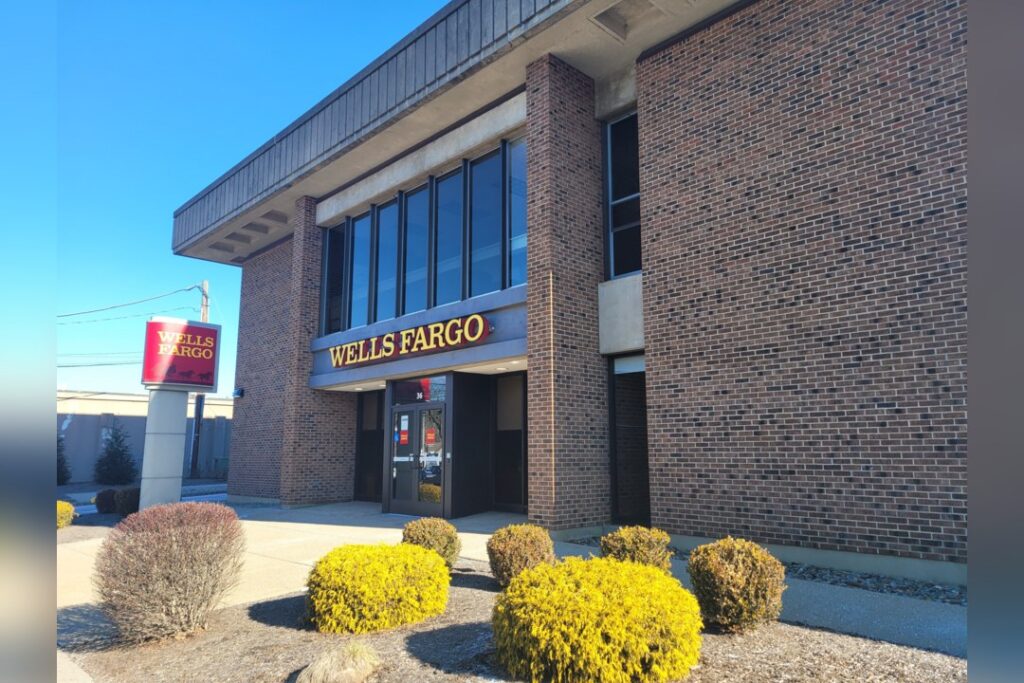
Wells Fargo Announces September 2026 Savings Account Rate Updates
San Francisco, August 31 — Wells Fargo updates its savings account rates each month in response to Federal Reserve policy shifts. The bank offers two retail savings products: Way2Save and Platinum Savings. Interest rates for these accounts are evaluated by third-party financial platforms for September 2026.
Wells Fargo emphasizes transparency in rate calculations for customer trust and regulatory compliance. Rate adjustments typically follow Federal Reserve changes to short-term interest rates.
Customers in Utah and nationwide can access these accounts through branches and digital platforms. The bank monitors inflation and monetary policy to guide future rate decisions. Official rate disclosures will be published on Wells Fargo’s website and verified financial comparison tools.
Investors will note the bank’s net interest income remains sensitive to macroeconomic trends. Rate updates reflect Wells Fargo’s strategy to remain competitive in the retail savings market.
Consumers should review monthly announcements for the most current APY information. The company maintains a significant operational footprint across multiple states including Utah. Banks commonly adjust deposit rates in response to changes in the federal funds rate, the benchmark set by the Federal Reserve.
When the Fed raises short-term interest rates, lenders typically increase savings yields to remain competitive; when it cuts them, deposit rates usually follow downward. Because these adjustments occur with varying timing and magnitude across institutions, monthly rate announcements provide consumers a reliable way to track where their money can earn the most. The retail savings landscape includes a wide range of options, from traditional brick-and-mortar banks to online-only institutions that often offer higher annual percentage yields.
For a large national bank, factors such as branch networks, operating costs, and customer relationship strategies influence how aggressively it prices deposit products. Savers who prioritize access to physical locations or integrated banking services may value a major institution’s convenience even when its rates are not the highest available.
For consumers, even small differences in APY can affect long-term savings growth, particularly in periods when inflation is elevated and real returns are closely watched. Rate updates also carry broader significance for the banking sector, since deposit costs directly influence net interest margins and, ultimately, the pricing of loans and other financial products. As the Federal Reserve continues to evaluate economic conditions, households and investors alike will be monitoring these monthly disclosures for signals about the direction of monetary policy.
Sources
More Money & Finance coverage: Zopa Revamps Biscuit Account With 2.75% Balance Rate And Cashback Options




