
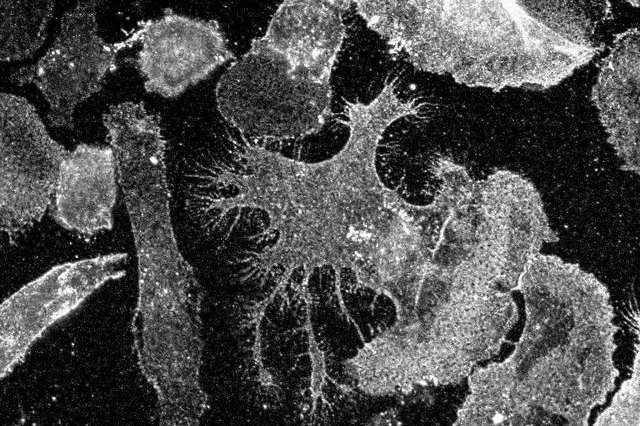
WASHINGTON, July 14 — Every day, inside the hollow chambers of our bones, a quiet manufacturing miracle unfolds. For a healthy adult, the bone marrow produces roughly 100 billion white blood cells each day — a relentless, unseen workforce that stands guard against infection, injury, and disease. These cells, known scientifically as leukocytes, are the foot soldiers of the immune system.
They do not work alone. The immune system itself is a sprawling network of cells, tissues, and organs, each with a specific job in the fight to keep us healthy.
For families wondering how their bodies fight off a cold or recover from a cut, the answer begins here.
The cast of defenders
White blood cells come in several distinct types, each with its own specialty. Neutrophils are the most abundant, making up between 50 and 70 percent of all leukocytes. They are short-lived, with a lifespan of just 5 to 90 hours, but they are relentless first responders, rushing to sites of infection to engulf and destroy invaders.
Then there are the macrophages — their name means “big eaters.” These cells patrol tissues, engulfing pathogens and clearing away cellular debris. Dendritic cells serve a different purpose: they are antigen-presenting cells, meaning they capture pieces of invaders and present them to T cells, effectively sounding the alarm and activating a more targeted immune response.
Natural killer cells take a more direct approach. They are capable of killing virus-infected cells and tumor cells without needing prior exposure to the threat. B lymphocytes, or B cells, mature in the bone marrow and produce antibodies — proteins that tag pathogens for destruction.
T lymphocytes, or T cells, mature in the thymus, a small organ located behind the breastbone.
The organs behind the immunity
The thymus is largest in children and gradually shrinks with age, a change that has implications for immune function over a lifetime. The bone marrow itself is the production site for all blood cells, not just white ones. The spleen filters blood and houses immune cells, ready to respond to blood-borne pathogens.
Lymph nodes, scattered throughout the body, filter lymph fluid and serve as meeting points where immune cells can interact and coordinate their response. The lymphatic system — a network of vessels and nodes — transports lymph fluid, which carries immune cells and waste products away from tissues.
It is a kind of circulatory system for immunity, ensuring that defenders can reach every corner of the body. The skin, the body’s largest organ, provides a physical barrier with a surface area of about 1.5 to 2 square meters. It hosts immune cells, including Langerhans cells, that stand watch just beneath the surface.
Mucous membranes line the respiratory, digestive, and urogenital tracts, secreting mucus that traps pathogens before they can enter the body.
What this means for patients
For patients undergoing treatments that suppress the bone marrow — such as chemotherapy — the daily production of white blood cells can drop dramatically, leaving them vulnerable to infection. Understanding the roles of each cell type helps doctors predict which infections a patient might be at risk for and tailor treatments accordingly. Research into how these cells communicate, how they remember past infections, and how they sometimes turn against the body in autoimmune diseases continues to drive new therapies.
Behind every breakthrough in immunotherapy, vaccine development, or transplant medicine lies a deeper understanding of these 100 billion daily recruits. The immune system does not rest.
It does not take weekends off. And for the families who depend on it — whether for a child fighting a common cold or a loved one recovering from a serious illness — that quiet, constant vigilance is everything. Consult your doctor for medical advice.




