
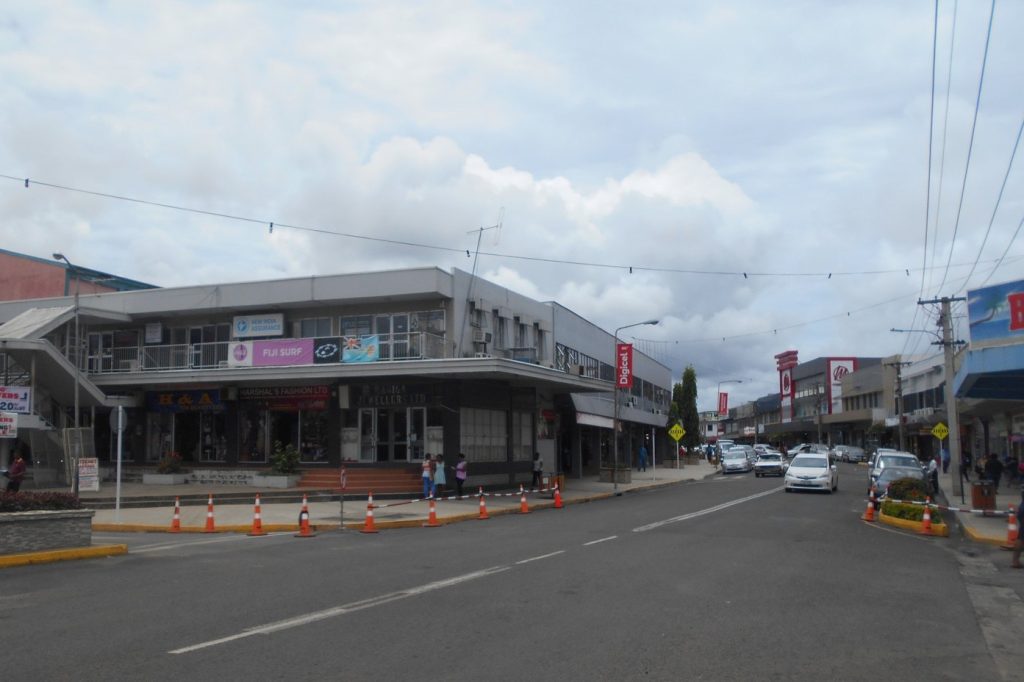
For households across Fiji, the link between a steady paycheck and the ability to meet daily obligations is immediate and absolute. The record shows that many Fijian families operate on lean budgets where income is assigned almost as soon as it arrives.
Food, shelter, transportation, and utility bills claim the vast majority of earnings, leaving little room for surplus. In this environment, the prospect of that income suddenly ceasing carries a direct and often severe consequence: savings are minimal, borrowing becomes a necessity, and reliance on relatives is frequently the only fallback. The burden is heaviest when the lost earnings belong to the sole breadwinner or the person who provides the largest share of household support.
Yet financial obligations do not pause when a paycheck stops. Without a predetermined plan, families must quickly seek alternative sources of funds, drawing down any existing reserves or turning to family networks to cover immediate costs.
The Fragile Household Budget
Economic stability is a primary concern for households in Fiji’s urban centers, where most of the population lives along the coasts of the two largest islands. These urban areas are the backbone of the sugar-cane and tourism industries, sectors that provide the bulk of local employment.
Many families in these regions depend on a single income to cover basic needs. The result is a financial structure with little cushion. When that single income disappears, the timeline for how long the family can continue is often measured in weeks, not months.
Without a reserve fund, the first response is frequently to borrow money or seek assistance from extended family. This dynamic makes financial planning not merely advisable but necessary to avoid falling into debt or becoming dependent on others during a crisis.
The question that hangs over every paycheck-dependent household is straightforward: If that income stopped tomorrow, how long could the family meet its commitments?
Preparing for Life’s Uncertainties
Sources familiar with the matter describe financial protection not as an expectation that the worst will happen, but as a practical measure for life’s unpredictability. The goal is to help ensure that loved ones have support when they need it most. Insurance and other forms of financial protection can provide a safety net during difficult periods, allowing families to focus on mutual support rather than worrying about how the next bill will be paid.
No one can predict what tomorrow will bring, and the uncomfortable reality is that unexpected events can and do occur. Fijian families, according to the analysis, cannot afford to ignore this reality.
Taking steps today to protect a family’s financial future can provide valuable peace of mind. The answer to the question of how long a family could continue without income is, for many households, a timeline worth examining now, before the crisis arrives.
Economic Foundations and Historical Context
Fiji is an archipelagic country in Melanesia located in the South Pacific Ocean. Humans first settled the islands during the second millennium BC, and Europeans arrived in the 17th century.
The British established a colony in 1874 after a short period of independence, and Fiji later became a dominion in 1970. A series of coups prompted the government to declare the nation a republic in 1987. Following further political unrest and a court ruling in 2009, the country eventually held democratic elections in 2014.
Today, Fiji maintains a developed economy by regional standards, relying on fish, mineral, and forest resources. Tourism and remittances provide a large share of foreign exchange.
The concentration of population along the coasts of the two largest islands reinforces the economic significance of the sugar-cane and tourism industries. In these urban centers, the reliance on a single income stream makes financial planning an urgent necessity. The question remains: If your income stopped tomorrow, how long could your family continue?
For Fijian families, the answer is not abstract—it is a timeline that deserves careful examination now.




