
Herbal supplements for liver health have been around for decades, tucked away on dusty shelves in health food stores. That is changing. A Virginia-based wellness research firm called PureHealth Research put out a statement Tuesday pointing to a surge in mainstream consumer interest, specifically in milk thistle, turmeric, and dandelion root.
The company is tracking a shift. More people are looking for natural ways to support liver function, and the market is responding.
The liver does a lot. It filters blood, processes nutrients, handles toxins. It is the body’s main metabolic hub.
When that system gets strained—by diet, alcohol, medication, or environmental factors—people start looking for support. Herbal traditions have long offered answers.
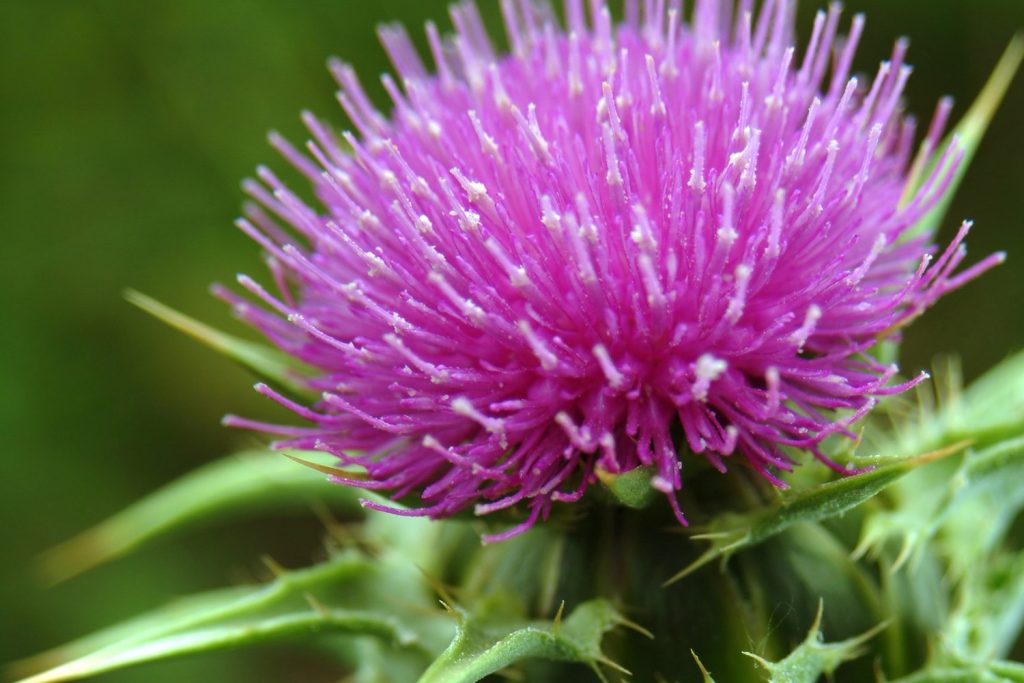
Milk thistle has been a go-to for centuries. Turmeric, with its curcumin compounds, is well-studied for inflammation. Dandelion root, often dismissed as a weed, has a history in folk medicine for digestive and liver aid.
What is new is the bundling. These three ingredients are now showing up together in commercial products aimed at a broader audience. PureHealth Research is not selling anything new here.
They are pointing to a trend already underway. The release notes that these botanicals have become staples in formulations designed to support healthy liver function and antioxidant defense.
That is a practical shift. Consumers are not just browsing niche catalogs anymore. They are finding these products in drugstores and online retailers.
The company is positioning itself at the center of that conversation. Their statement emphasized the liver’s essential role in metabolism, nutrient processing, and overall health.
That is not controversial. It is basic biology. What is interesting is the timing.
Interest in liver health supplements has been rising for years, driven in part by rising rates of fatty liver disease and general wellness awareness. PureHealth Research is simply putting a spotlight on where that interest is converging. This is not about miracle cures.
The company is careful to frame it as a broader recognition that specific herbs have a track record in liver wellness. Milk thistle, for instance, has been studied for its active compound silymarin, which may help protect liver cells.
Turmeric’s anti-inflammatory properties are widely documented. Dandelion root is less studied but has traditional use. Together, they form a kind of botanical toolkit.
The practical upshot is straightforward. The market for liver health supplements is expanding beyond health food stores.
Mainstream interest is growing. Companies are responding with targeted formulations. PureHealth Research is highlighting that trend, not creating it.
Their release reads like a signal to the industry: pay attention to what consumers are already doing. For a consumer, this means more options. More products on shelves.
More claims to sort through. The challenge is separating marketing from real benefit.
The company’s statement does not offer clinical data. It points to tradition and growing interest. That is enough for now.
The trend is real, and the conversation is shifting. The liver, long taken for granted, is getting its moment in the wellness spotlight.




