
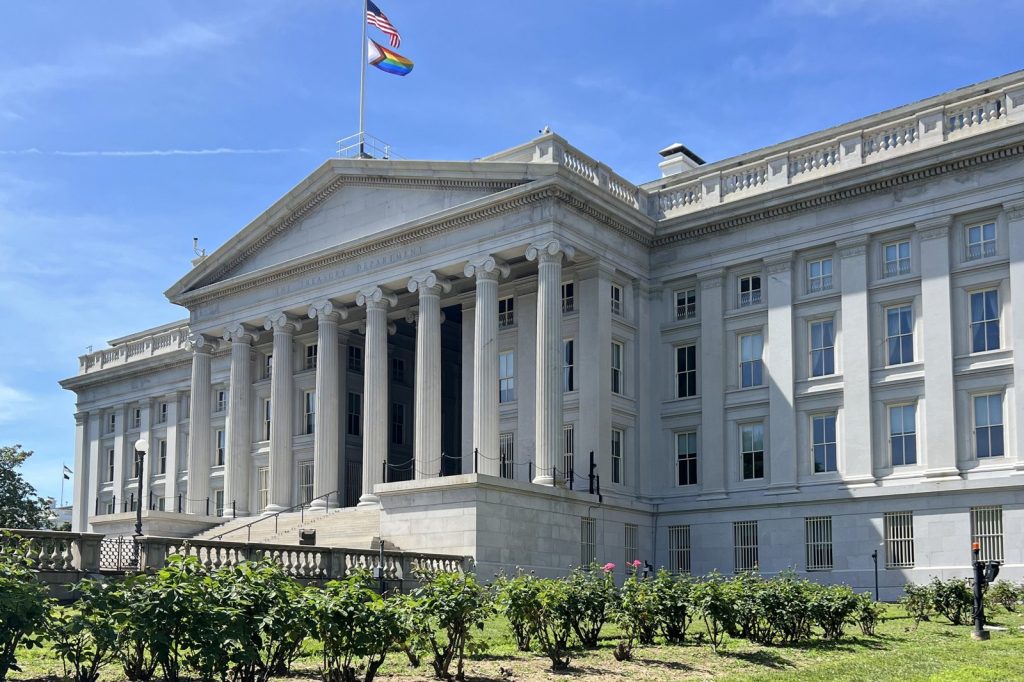
Inside the Treasury Department, a bureau of roughly 300 analysts and economists serves as the analytical backbone for the nation’s financial stability watchdog. The Office of Financial Research, created by the Dodd-Frank Wall Street Reform and Consumer Protection Act in 2010, does not regulate.
It analyzes. Its core mission is to identify emerging threats to U.S. financial stability before those threats become crises. That small team supplies the data and risk assessments used by the Financial Stability Oversight Council, the panel empowered to designate non-bank firms as systemically important.
From Crisis to Creation
The OFR emerged directly from the 2008 financial crisis and the Great Recession that followed. Lawmakers passed the Dodd-Frank law in 2010 to build new oversight tools after those events.
The office was set up inside the Treasury Department specifically to gather and standardize financial data across the system. It funds its work through fees paid by large financial institutions. The bureau runs both applied and long-term research and builds tools to measure risk.
It also backs the FSOC with analysis, providing the council with the nonpartisan groundwork needed to spot threats before they spread. The Treasury Department itself manages federal finances and houses several bureaus overseeing financial stability.
Within that structure, the OFR operates as a dedicated research arm. Its staff of about 300 continues to monitor asset bubbles, cyber threats, and climate-related financial risks, publishing reports on each. Investors rely on those warnings when markets face new technology and climate shocks.
Tracking the Next Threat
The OFR’s 2025 report on artificial intelligence is part of an ongoing series on technology-driven financial risks. The agency has previously warned about risks from cryptocurrencies in 2022 and commercial real estate in 2023.
The AI report follows a familiar pattern: identify the vulnerability, document it thoroughly, and hand the analysis to the FSOC. The OFR does not have regulatory authority; that distinction belongs to the council, which can designate non-bank firms as systemically important. The council receives its data and risk assessments directly from the OFR’s staff. The 2025 AI report is now in the hands of policymakers.
The OFR’s role is to keep producing analysis on technology-driven financial risks. Its next report will likely track how financial firms are adapting to the risks identified in the AI analysis.
For now, the office remains what Dodd-Frank created: a warning system without a siren. It spots the threats. Others decide what to do about them.
Persistent Scrutiny and Ongoing Relevance
Despite its analytical mandate, the OFR has faced criticism from some Republican lawmakers, who have called the office wasteful and argued that its data-collection powers reach too far. That criticism has shaped how the bureau operates under different administrations. Nonetheless, the office matters now because it supplies the nonpartisan groundwork used to spot threats before they spread.
Readers rely on its warnings when markets face new technology and climate shocks. The OFR’s about 300 analysts and economists remain the analytical backbone for the Financial Stability Oversight Council, the panel that can designate non-bank firms as systemically important.
The office does not regulate. It analyzes. Created by the Dodd-Frank Act of 2010, the OFR operates inside the Treasury Department, funded by fees from large financial institutions. Its mission is to identify emerging threats to U.S. financial stability before they become crises.
By the numbers, the agency publishes reports on systemic risks including asset bubbles, cyber threats, and climate-related financial risks. The AI report follows that pattern: identify the vulnerability, document it, and hand the analysis to FSOC.




