
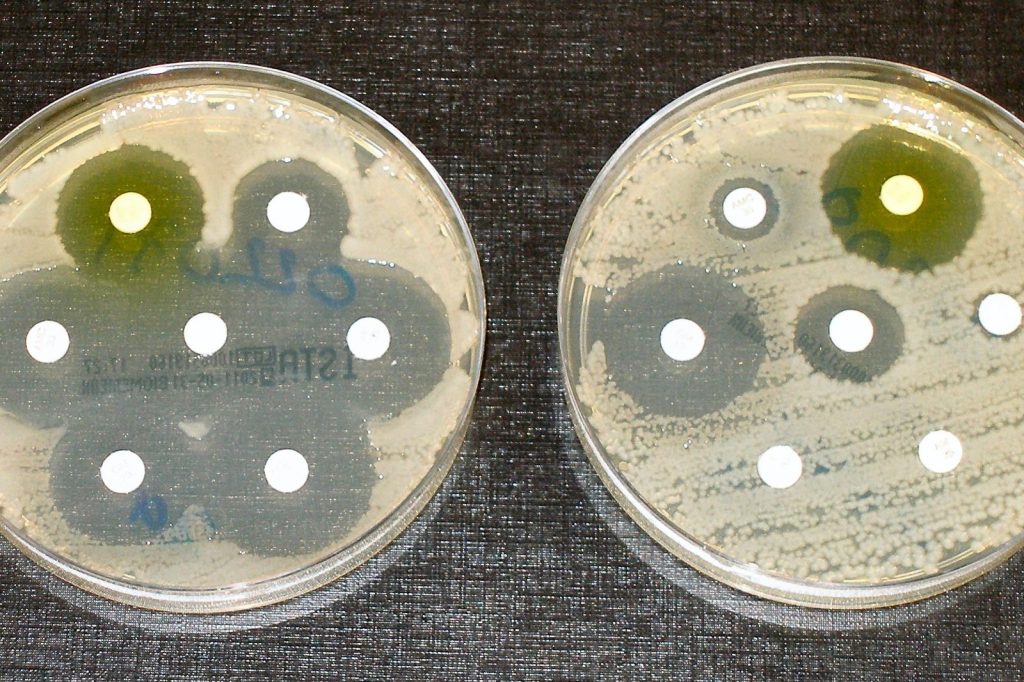
Antimicrobial resistance, a phenomenon that has been building for decades, now ranks among the most pressing dangers to modern medicine. The World Health Organization in 2020 classified AMR as one of the top 10 global public health threats, a designation that underscores how a routine infection or a minor surgery can become life-threatening when antibiotics fail.
In 2019 alone, a landmark study published in The Lancet estimated that 1.27 million deaths worldwide were directly attributable to bacterial antimicrobial resistance, and another 4.95 million deaths were associated with AMR, meaning resistant infections played a role even if they were not the direct cause.
A Decades-Old Threat Intensifies
The emergence of dangerous resistant pathogens is not new. Methicillin-resistant Staphylococcus aureus, known as MRSA, was first reported in 1961. Vancomycin-resistant Enterococci, or VRE, emerged in 1988.
More recently, carbapenem-resistant Enterobacteriaceae, or CRE, began appearing in the 2000s. These bacteria cause bloodstream infections, pneumonia, and surgical site infections that have become increasingly difficult to treat with standard medicines.
The term “superbug” entered public language as shorthand for microorganisms that survive antimicrobial drugs, though it has also been used for unrelated pop-culture items such as a 1977 arcade game and a West German film series about a car. Scientific concern over resistant microbes grew in parallel with the first reports of MRSA and VRE, prompting international bodies later to treat the issue as a shared threat. In the United States, the Centers for Disease Control and Prevention reported in 2019 that more than 2.8 million antibiotic-resistant infections occur annually, leading to 35,000 deaths.
Those figures, while from a single country, illustrate the breadth of a crisis that reaches well beyond any one region. For communities across Asia, where access to clean water and sanitation can be uneven, the spread of resistant bacteria adds an extra burden.
Infections that were once easily treated now require stronger, more expensive, or more toxic drugs.
The Drivers of Resistance
The mechanisms behind resistance are well understood. Three key drivers fuel the problem: overprescription of antibiotics by doctors, the use of these drugs in agriculture, and patients failing to complete their full treatment courses. When bacteria are exposed to antibiotics but not wiped out completely, they are put under selective pressure.
The few that survive a course of treatment can multiply, passing on their resistant genes. This is why completing a full course of antibiotics is critical, even if a person feels better.
Stopping early gives the strongest bacteria a chance to survive and spread. The problem reaches beyond hospitals into everyday farming and prescribing habits. For families across the region, the risk is that common medical procedures such as a child’s ear infection, a mother’s cesarean section, or a father’s hip replacement could become dangerous if the antibiotics relied on stop working. Without new antibiotics, these routine events could become life-threatening.
The 2022 Lancet study provided a stark global tally: 1.27 million direct deaths from bacterial AMR in a single year, with nearly five million more where resistance played a role.
Global Response and Individual Action
The international community has not been idle. The WHO’s Global Action Plan on Antimicrobial Resistance, adopted in 2015, set out goals for surveillance, stewardship, and research. A year later, in 2016, a high-level meeting at the United Nations General Assembly saw all 193 member states commit to taking action. But commitment on paper must translate into change on the ground.
The WHO’s 2015 action plan called for better surveillance to track resistant strains, stewardship programs to ensure antibiotics are used only when needed, and investment in research for new drugs. For now, the best defense for individuals is to use antibiotics exactly as prescribed, never demand them for viral infections like colds, and keep vaccinations up to date to prevent infections in the first place.
These steps, combined with sustained international effort, remain the foundation for slowing a crisis that grows more urgent with each passing year. As the clock ticks, the routine procedures that define modern medicine hang in the balance.




