
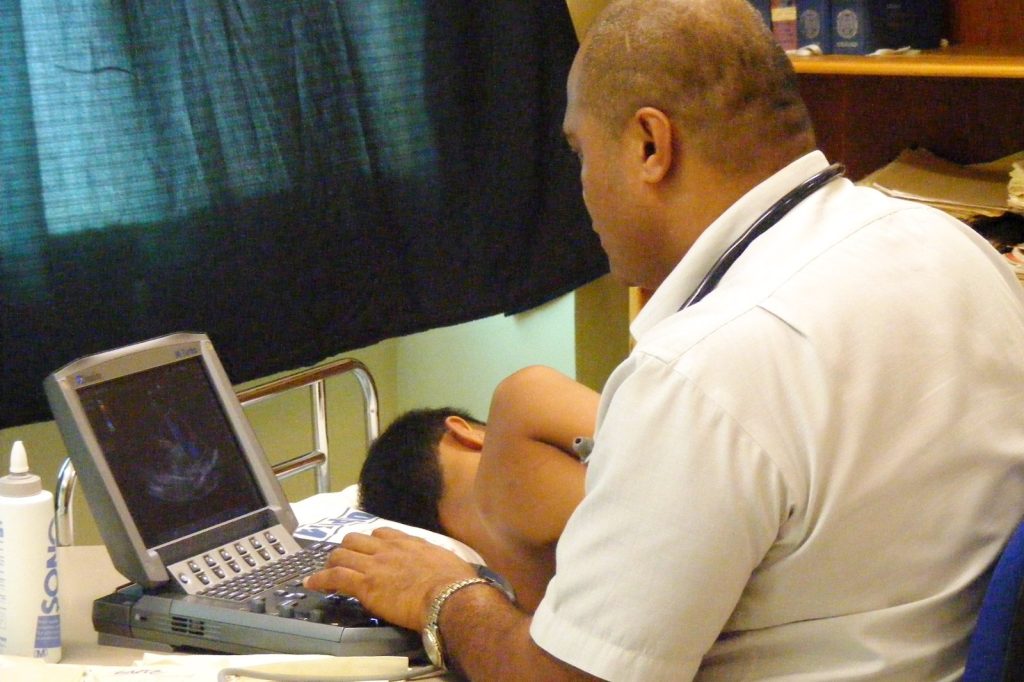
Clearwater, August 23 — A high school football and basketball player at Calvary Christian High School in Clearwater learned he had a life-threatening heart defect during a mandatory electrocardiogram screening required by Florida law. Cameron Crider, a sophomore, showed no symptoms before the test revealed an atrial septal defect, a congenital condition involving a hole in the heart’s upper chambers. His mother, Laura Crider, said the discovery came as a shock. “I’ve been playing sports my whole life and didn’t notice anything,” Cameron told FOX 13.
“We were going to a three-hour football practice and then a two-hour basketball practice back-to-back and never having fatigue or shortness of breath,” Laura added. “So, we were completely shocked.” The defect, if untreated, can cause complications like pulmonary hypertension or heart failure.
Cameron is scheduled for surgery in October and is expected to return to sports next season. The state’s Second Chance Act, which took effect July 1, mandates ECG screenings for students in grades 9 through 12 participating in athletics. Dr. Jonathan Drezner, director of the University of Washington Medicine Center for Sports Cardiology, emphasized that ECGs are critical.
“A standard sports physical by history and physical alone will miss 80-90% of kids with at-risk heart conditions. An ECG can suggest or detect about 80% of the conditions that put young persons at risk,” he told Fox News Digital.
The American Heart Association supports ECGs as part of a layered approach but does not endorse mandatory screenings for all athletes. Laura Crider called the screening “a gift from God.” She contrasted Cameron’s experience with families who learn of similar conditions only after a tragedy. “So many of these other parents who are advocating for these screenings, they had to find out through a tragedy,” she said.
The American Heart Association warns that up to 80% of young athletes who suffer sudden cardiac arrest have no warning symptoms. Drezner noted that chest pain, passing out, or a racing heart during exercise should prompt immediate medical attention.
“Make sure your child feels well when they exercise,” he advised. Cameron’s case highlights the growing role of ECGs in sports medicine. While the AHA and American College of Cardiology recommend a comprehensive assessment including family history and physical exams, the Florida law’s requirement has already identified at least one critical condition in a student athlete.
The procedure, though not perfect, offers a significant improvement over traditional physicals. Dr. Drezner stressed that early detection through tools like ECGs can prevent life-threatening events during physical activity.
Consult your doctor for medical advice.




