
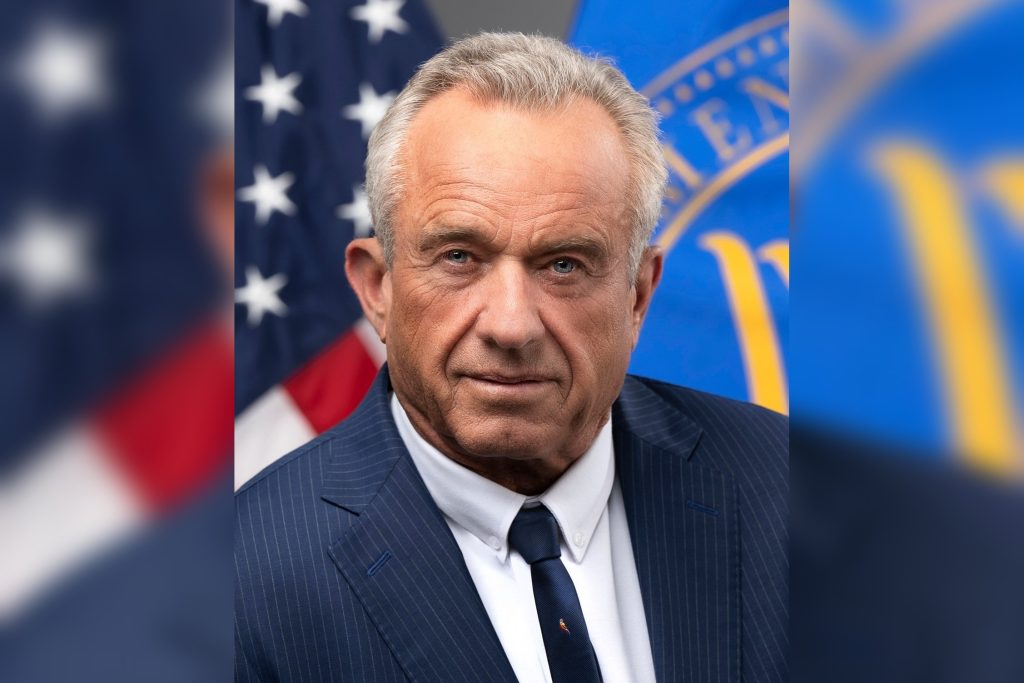
NEW YORK, August 26 — It’s a geopolitical predicament wrapped in a medical enigma: as science edges closer to vaccines against certain types of cancers, could the beliefs of Robert F. Kennedy Jr., who has voiced skepticism about vaccines, strategically impede progress?
One element of the calculus is the possibility—suggested by Jonathan Cohn at the Bulwark—that we are perhaps on the precipice of such a scientific breakthrough. Given the nature of these medical advancements, public-private partnerships are pivotal, willing to invest in scientific inquiry without guarantee of success. However, the current administration’s Department of Health and Human Services, under Secretary Roadkill, appears to be a chaotic arena where the usual order is upended.
This chaotic governance might lead to missed opportunities in combating diseases like cancer. While the stakes are high in advancing cancer treatments, other critical public health issues are simultaneously requiring attention.
Case in point: Secretary Roadkill is grappling with a measles outbreak in Pennsylvania, a situation claiming two lives in Lancaster County, home to one of the country’s largest Amish communities. The ineffective response to this crisis has drawn renewed scrutiny to the Secretary’s previous controversial statements, as reported by MSNow. The broader stakes here are not just the health of individuals but the strategic direction of American public health policy.
The administration’s stance, seemingly dismissive of vaccines, could be playing into the hands of those who benefit from the status quo of disease. The accusation has been made that any Democratic candidate not framing the administration as “a tool of the pro-cancer lobby” is missing a significant opportunity.
This underscores the political ramifications of public health policy and its impact on the war against cancer. Looking forward, the question remains: will the current trajectory of American public health policy allow for the necessary advancements in cancer research, or will ideological barriers prove insurmountable? It’s a question that will undoubtedly have far-reaching consequences for the health and well-being of the nation.
Consult your doctor for medical advice.




