
Two years of work. Eleven ministries. Financial regulators, private-sector stakeholders, all at one table.
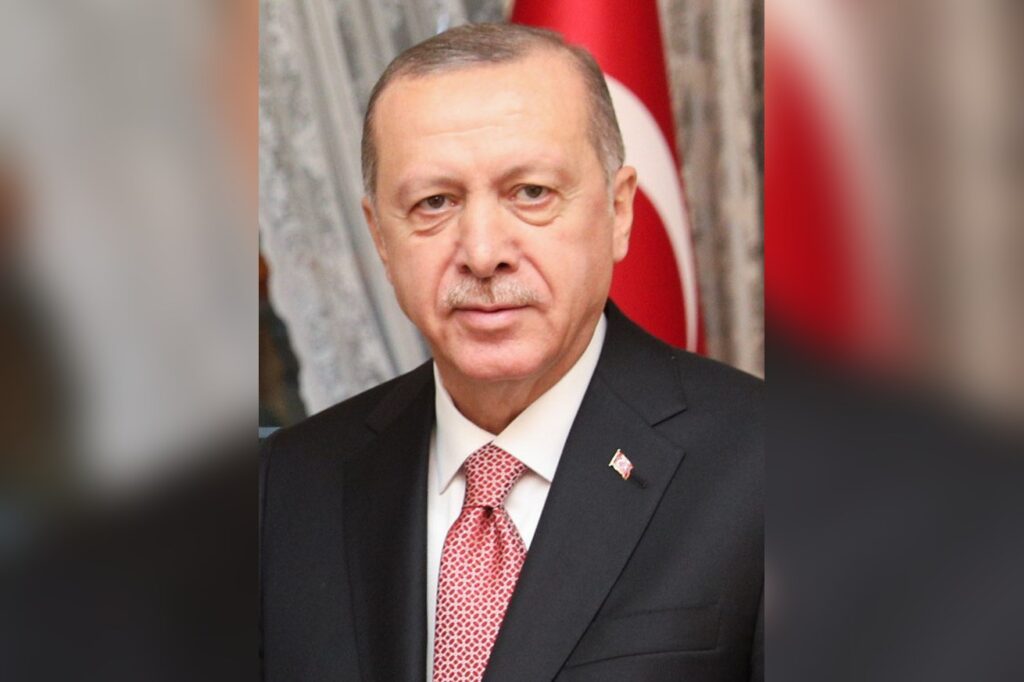
The result, published this week in the Official Gazette under President Recep Tayyip Erdoğan’s signature, is Türkiye’s National Green Finance Strategy and Action Plan for 2026-2029. It is a framework.
It is also a signal. For families watching Türkiye’s economic direction, the strategy means a coordinated push to align financial markets with climate goals. For markets themselves, it means rules.
The Treasury and Finance Ministry coordinated the plan. They say it aims to strengthen the green finance ecosystem, build resilience in financial markets against climate-related risks, and improve the investment environment for sustainable development.
Three main goals anchor the document. First: infrastructure for a transparent and measurable green finance ecosystem. Second: institutional capacity and human capital in green finance.
Third: market mechanisms to develop green finance further. Under those sit eleven objectives and 45 specific actions. That is a lot of moving parts.
But the core is simple. Money needs to flow into clean energy projects and sustainable industries.
The strategy structures how that happens. The timing matters. Türkiye is host and president of the upcoming 31st Session of the Conference of the Parties to the United Nations Framework Convention on Climate Change.
That is COP31. The strategy positions the country to lead.
Critics will watch implementation. A plan on paper is one thing. Enforcement is another.
The strategy focuses on priority policy areas including wider adoption of green regulations in financial markets, stronger market infrastructure for the green transition, and better coordination among stakeholders. Those are broad categories. The 45 specific actions will determine whether this works.
Green finance is not new. Türkiye has had sustainability-themed bonds, ESG funds, carbon market discussions for years.
What is new is the coordinated framework. A circular bearing Erdoğan’s signature carries weight. It tells every ministry, every regulator, every bank: this is policy now.
The strategy covers 2026 through 2029. That is a four-year window.
Enough time to build infrastructure, train people, create mechanisms. Not enough time to waste. For communities across the region, the practical effect will be visible in how money moves.
A solar farm gets financing faster. A factory retrofit gets a green loan. A municipal waste project finds investors.
That is the goal. The Treasury and Finance Ministry prepared the strategy with input from all relevant ministries, financial regulators, and private-sector stakeholders.
That breadth of input matters. Green finance touches banking, capital markets, insurance, energy, industry, agriculture, transport. No single ministry can do it alone.
Türkiye’s role as COP31 president adds international pressure. Hosting the conference means the world will watch.
The strategy gives the country something to show. There is no quote in the official report. No named official speaking on the record.
Just the document, the signature, the publication in the Gazette. That is how this government often works. The policy speaks for itself.
Whether it speaks loudly enough will take years to determine. The 45 actions under the three goals are the test.
Each one requires execution. Each one requires money. Each one requires political will beyond the signature.
For now, the framework exists. The strategy is public.
The clock is running. 2026 is not far away.




