
In Northwest Ethiopia, a child with cancer waits. Too often, that wait ends badly. A new study suggests a simple fix: train the people who see the child first.
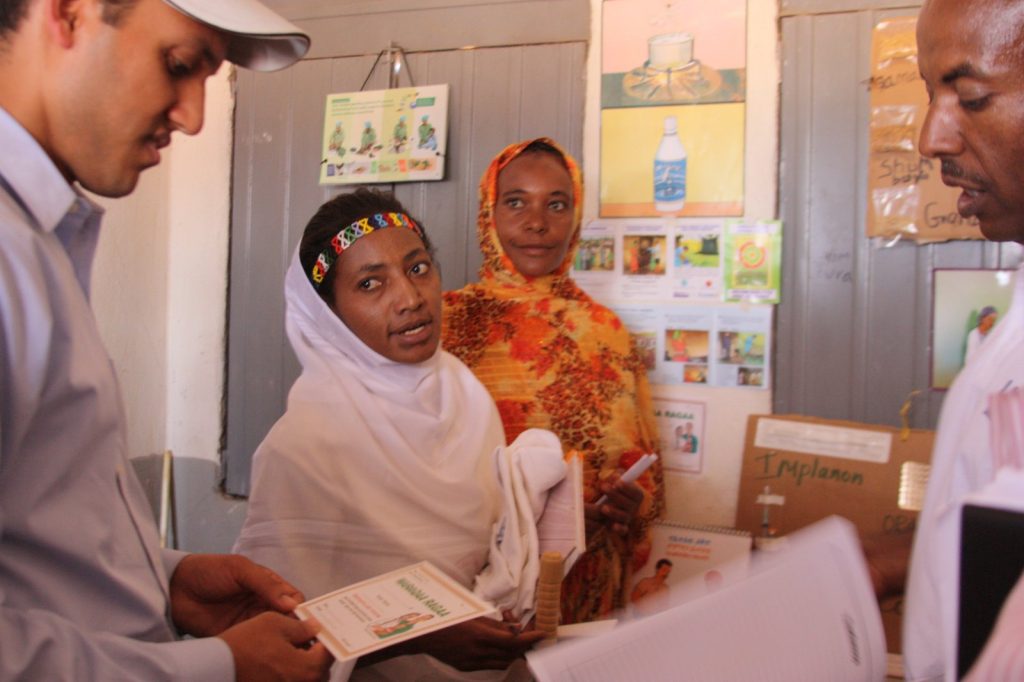
The research tested a multilevel onsite training model. Health extension workers, nurses, and general practitioners—the frontline—were taught at their own facilities.
No travel. No distant workshops. Senior clinicians followed up with mentorship after the initial sessions.
Early results are promising. The model improved knowledge and clinical suspicion among participating health workers.
That matters because without systematic training, many childhood cancers get misdiagnosed. Common infections or nutritional deficiencies are blamed instead. The region has limited access to pediatric oncology services.
The nearest specialized treatment center is far. By the time families reach it, the disease is often advanced. Months have been lost.
The training focused on red-flag symptoms. Persistent fevers.
Unusual lumps. Bone pain. Eye changes.
These signs should trigger a referral. The study used a mixed-methods design—quantitative assessments paired with qualitative interviews—to figure out what worked and what didn’t.
One blunt finding stands out: without this training, too many cancers are missed. The gap is not about equipment or drugs. It is about recognition.
A health extension worker who knows what to look for can change a child’s trajectory. The study was conducted entirely in Northwest Ethiopia. That is a deliberate choice.
The region’s challenges are not unique in low-resource settings. Children arrive at treatment centers with advanced disease that might have been caught earlier.
This model directly addresses that delay. Patients should understand something here. Early diagnosis in childhood cancer dramatically changes the prognosis.
It is not subtle. It is the difference between curable and terminal in many cases.
The study’s authors are careful not to overclaim—they call it “early promise”—but the logic is hard to argue with. Equip frontline workers. Embed mentorship.
Catch the disease sooner. The training did not stop after a single session. That is key.
Mentorship was built into the program. Senior clinicians provided ongoing support.
That continuity matters in a setting where turnover is high and resources are thin. What remains unclear is how scalable this is. The study is small.
The findings are preliminary. But the approach has a pragmatic appeal.
It uses existing infrastructure. It does not require new buildings or expensive technology. It requires training people who are already there.
For families in Northwest Ethiopia, the stakes are concrete. A child with a persistent fever might have an infection. Or might have cancer.
Without a trained eye, the distinction blurs. With training, the odds shift.
The study does not pretend this is a cure-all. Barriers remain. The interviews with health workers likely surfaced those—the distance to referral centers, the lack of diagnostic tools, the cultural beliefs that delay care.
But the first step is recognition. And that step is now being taught.




