
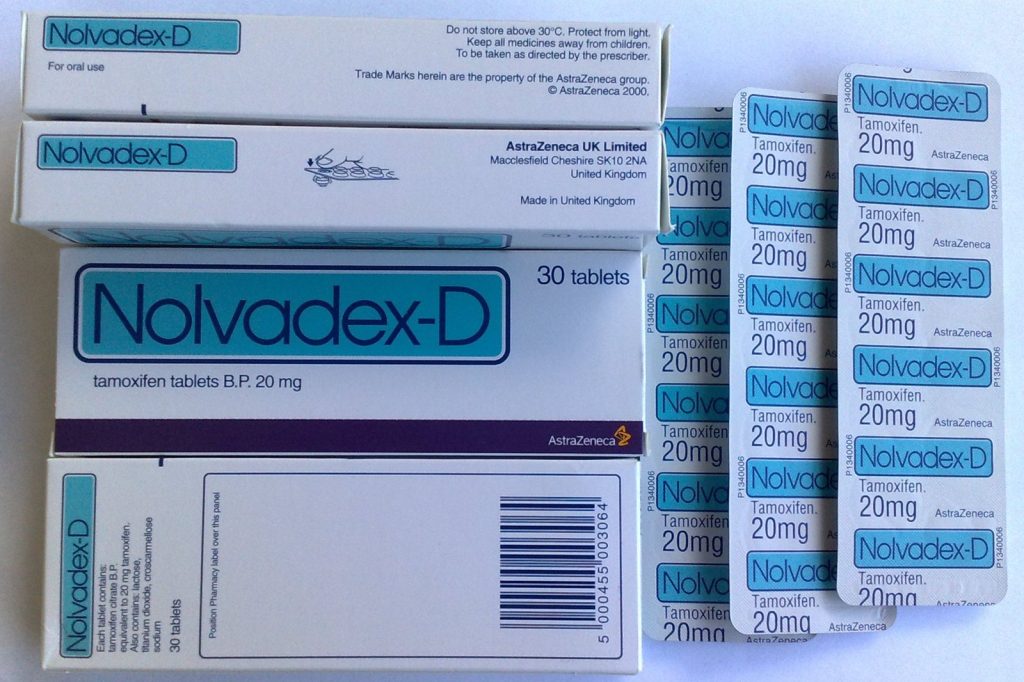
LONDON — The history of targeted cancer therapy, according to the record, begins not with a breakthrough in oncology but with a failed contraceptive pill. Scientists at Imperial Chemical Industries (ICI) in the United Kingdom discovered tamoxifen in the 1960s. The compound was initially developed as a contraceptive.
Clinical trials, however, revealed a different property: anti-estrogenic activity. By the 1970s, those trials demonstrated its effectiveness in treating breast cancer.
The U.S. Food and Drug Administration approved tamoxifen in 1977 for the treatment of advanced breast cancer. That approval marked a turning point. Later approvals expanded the drug’s use to adjuvant therapy for early-stage breast cancer and to risk reduction in high-risk women.
Mechanism of action
Tamoxifen is a selective estrogen receptor modulator, or SERM. According to the source material, it blocks estrogen receptors in breast tissue while acting as an estrogen agonist in other tissues, including the uterus. This dual action is the key to both its therapeutic benefit and its known risk of uterine cancer.
The drug’s development represented a milestone. It was one of the first therapies to target a specific molecular pathway rather than attacking all rapidly dividing cells.
The risk profile remains part of the clinical calculus. Because tamoxifen stimulates estrogen receptors in the uterus, long-term use carries an elevated risk of uterine cancer.
Implications for cancer treatment
The tamoxifen story illustrates a pattern: a compound discovered for one indication finds its real utility elsewhere. ICI’s original contraceptive research yielded a drug that would reshape breast cancer treatment for decades. The 1977 FDA approval opened the door for subsequent targeted therapies.
Tamoxifen’s success established the principle that blocking hormone receptors could control tumor growth. For patients, the drug’s approval history shows how clinical trial data can shift a compound’s trajectory.
The 1970s trials provided the evidence that transformed tamoxifen from a laboratory curiosity into a standard of care. Later studies expanded its indications, moving it from advanced disease to early-stage treatment and ultimately to prevention in high-risk women.
Looking ahead
The record shows that tamoxifen remains in use today. The drug’s legacy extends beyond its own clinical utility. It demonstrated that cancer could be treated by targeting specific molecular mechanisms rather than by broad cytotoxic attack.
The drug’s discovery at ICI in the 1960s, its clinical validation in the 1970s, and its regulatory approval in 1977 together form a case study in how pharmaceutical innovation can change the trajectory of a disease. Consult your doctor for medical advice.




