
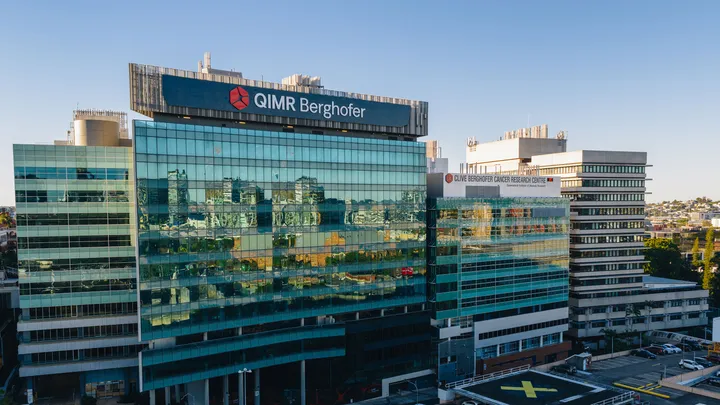
BRISBANE, July 1 — A major new study tracking 40,000 Queenslanders over eight years has laid out the scale of the state’s skin cancer burden in stark detail. The QIMR Berghofer research found that 70 per cent of participants accessed at least one skin cancer service during the study period. More than a third of those tracked had one or more non-melanoma skin cancers surgically removed.
According to the study’s authors, middle-aged Queenslanders now undergo an estimated 1.5 million skin cancer procedures each year. The figures have prompted fresh calls for increased investment in prevention campaigns.
The record shows a population under persistent assault from ultraviolet radiation. Queensland has long held the unwelcome distinction of having the world’s highest rates of skin cancer. This study provides a granular, longitudinal look at just how many residents are cycling through clinics and operating rooms.
Researchers described the findings as a wake-up call. The data suggests that for a significant portion of the population, skin cancer treatment is not an occasional event but a recurring part of life.
On the timeline of the eight-year study, the pattern was consistent across age groups and regions. The 40,000-person cohort — large enough to draw robust conclusions — showed that the majority of Queenslanders are engaging with the healthcare system for skin cancer at some point. The study did not break down costs, but the sheer volume of procedures points to a substantial economic burden on top of the human toll.
Non-melanoma skin cancers, while less deadly than melanoma, require excision and follow-up care, and their frequency drives demand on dermatology and primary care services. Sources familiar with the research say the findings strengthen the case for sustained public health messaging around sun protection. Queensland’s subtropical climate means outdoor exposure is year-round, and prevention campaigns have historically been intermittent.
The authors are expected to recommend targeted campaigns for middle-aged men, who tend to present with more advanced disease. The study’s lead researcher, speaking through QIMR Berghofer, noted that prevention investment has lagged behind treatment costs.
For now, the numbers speak for themselves: seven in ten Queenslanders needing a skin cancer service, and more than a third undergoing surgery. The research provides a baseline against which future prevention efforts can be measured. The question for policymakers is whether the current level of investment matches the scale of the problem. Consult your doctor for medical advice.




