
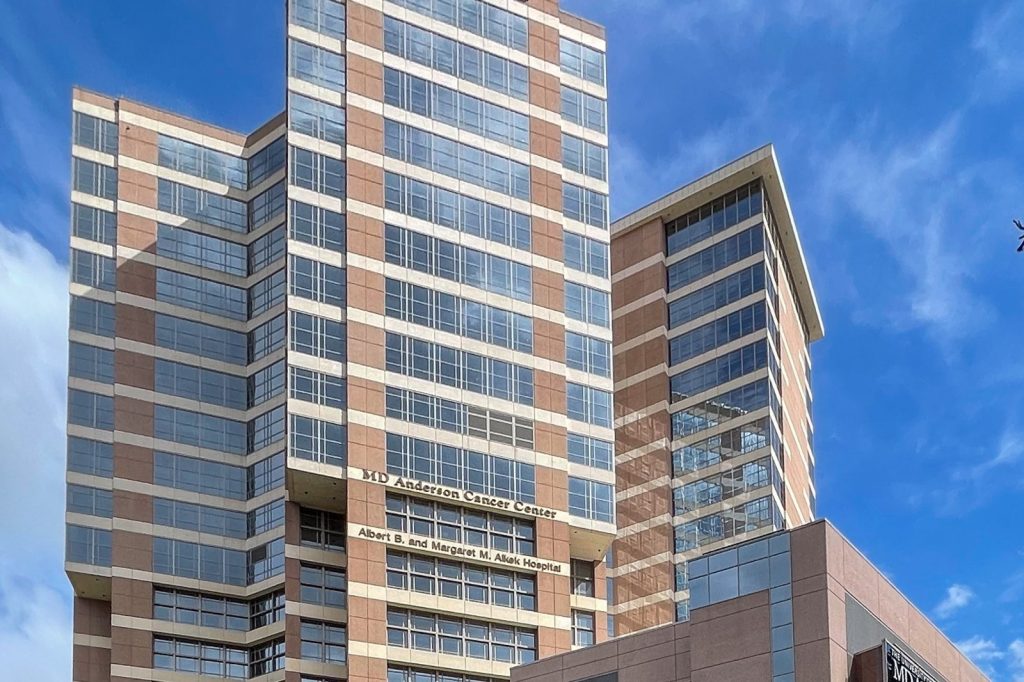
HOUSTON, July 14 — On the ground at MD Anderson Cancer Center, doctors are watching a new weapon against leukemia unfold. A clinical trial published in the New England Journal of Medicine on June 5, 2024, reports that a CAR-T cell therapy called CTX-112 achieved an 83% complete remission rate in 120 patients with relapsed or refractory B-cell acute lymphoblastic leukemia, or ALL. The therapy brings a genetic edge.
Developed by CRISPR Therapeutics, CTX-112 uses CRISPR-Cas9 gene-editing technology to modify a patient’s own T-cells. The goal: enhance persistence and reduce exhaustion in the engineered cells, potentially improving long-term outcomes.
The trial was conducted across 15 medical centers in the United States, including MD Anderson and Memorial Sloan Kettering Cancer Center.
How CAR-T therapy works
CAR-T cell therapy is a living drug. Doctors remove a patient’s T-cells, genetically reprogram them to express a chimeric antigen receptor targeting CD19 — a protein on the surface of B-cells — then infuse them back into the patient. The U.S. Food and Drug Administration first approved this approach in August 2017 for pediatric ALL.
By 2024, six CAR-T products had received FDA approval, including Kymriah and Yescarta. The stakes are stark.
For adults with ALL, the overall five-year survival rate sits at about 40%. For those with relapsed or refractory disease, that number drops below 10%. CTX-112 is aiming at that desperate gap.
Trial results and side effects
The trial reported a median duration of remission of 14.2 months. Side effects were manageable but real: cytokine release syndrome occurred in 45% of patients, and neurotoxicity in 12%. Researchers describe these as within the expected range for CAR-T therapy.
The gene-editing component is what sets CTX-112 apart. By using CRISPR-Cas9 to fine-tune the T-cells, the therapy may last longer in the body and keep fighting cancer cells without burning out.
That could mark a shift from earlier CAR-T products, which can lose potency over time. By nightfall in the oncology wards, the numbers offer a rare bright spot. An 83% complete remission rate in a population where standard treatments have failed is not a cure — but it is a signal.
Researchers will watch how long those remissions hold. What to watch next: longer follow-up data from this trial and whether the FDA clears CTX-112 for broader use.
The field is moving from first-generation CAR-Ts to engineered cells that might stay on the job longer. Consult your doctor for medical advice.




