
A Patchwork of Disputes
The NHS walkouts that unfolded between 2022 and 2024 were not a single, unified confrontation. Instead they comprised a series of separate disputes, each tied to its own union, staff group and timetable. This produced a staggered pattern of walkouts, partial settlements and lingering resentment that lasted two years.
The fragmentation is evident in the numbers of parties involved. Multiple unions represented different occupations across the four nations of the UK.
In England the Agenda for Change pay scale covered one set of workers, junior doctor contracts covered another and consultant contracts a third. Each required its own agreement. By September 2024 the final piece fell into place when doctors in England reached a concluding resolution.
Most of the disputes had already ended by the summer of 2023. Nurses, paramedics, porters and many other groups settled early.
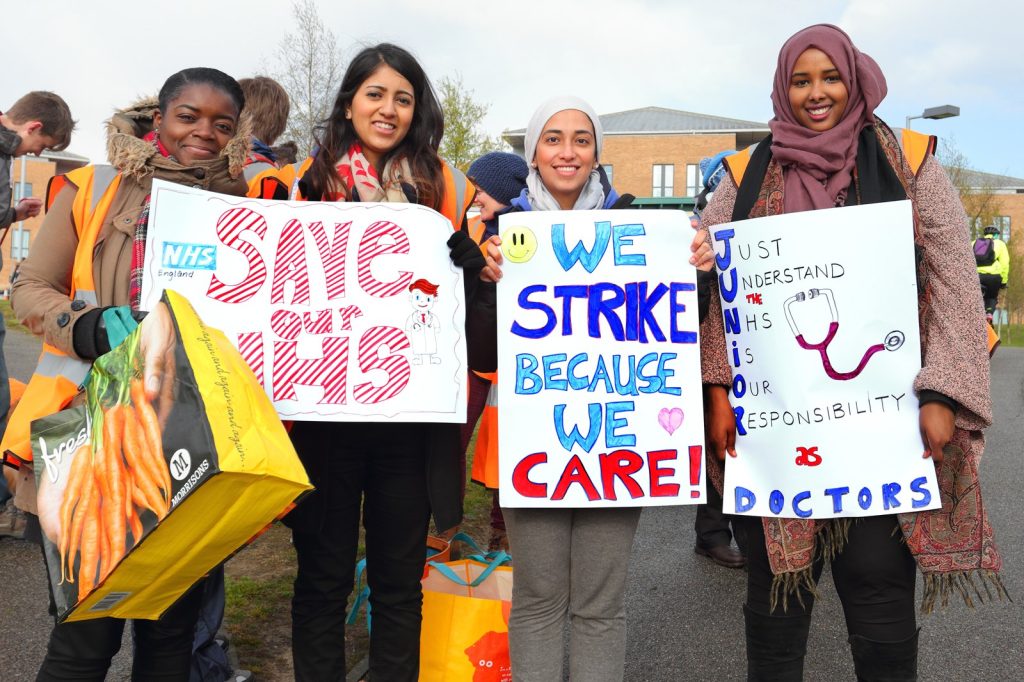
Junior doctors, however, continued their action longer than any other cohort, indicating either deeper grievances or firmer negotiating stances.
Contrasting Experiences Across the Nations
Scotland followed a different trajectory. An early pay‑rise offer from the Scottish government prevented prolonged industrial action altogether. While English hospitals contended with repeated appointment cancellations and overcrowded emergency departments, Scotland largely avoided the worst of the disruption.
This outcome is presented as a direct consequence of proactive engagement; the analysis notes that a government that moved first spared its health service months of disturbance. The broader lesson highlighted by the episode is the cost of decentralisation.
The NHS is not a single employer but a collection of dozens of trusts operating under four separate administrations. Consequently each dispute had to be fought and settled individually; no single negotiation could address every issue, and no union leader could speak for the entire workforce. The result was a grinding, piecemeal process that stretched from 2022 into 2024.
The junior doctors’ strike exemplifies this pattern most starkly. Their dispute outlasted every other, persisting through the summer of 2023 after most other groups had already reached agreements.
It demanded separate attention, separate negotiations and separate terms. The complexity was not a reporting artefact; it reflected the reality of the situation.
Aftermath and Outlook
Although the walkouts have concluded, the underlying pressures remain. Pay scales continue to lag in parts of the system, and recruitment and retention difficulties persist.
The Scottish example suggests that early, substantive offers can avert conflict, whereas the English experience indicates that delay and fragmentation tend to prolong it. The final agreement for doctors in England closed the last open wound, but the scars are still visible. Trusts lost thousands of working days, patients faced longer waits, and staff morale—already weakened by the pandemic—suffered another blow.
The durability of the settlements will be crucial; if they falter, the cycle could repeat. What matters now is whether the health system draws the right lessons.
The strikes were not one event but many, resolved one by one, trust by trust, union by union. That pattern reflects the nature of a decentralised health service and also reveals its weakness. A single pay deal covering all staff groups, all regions and all contract types would have required a different kind of negotiation and a different kind of government.
Scotland showed that such an approach is feasible; England did not pursue it.




