
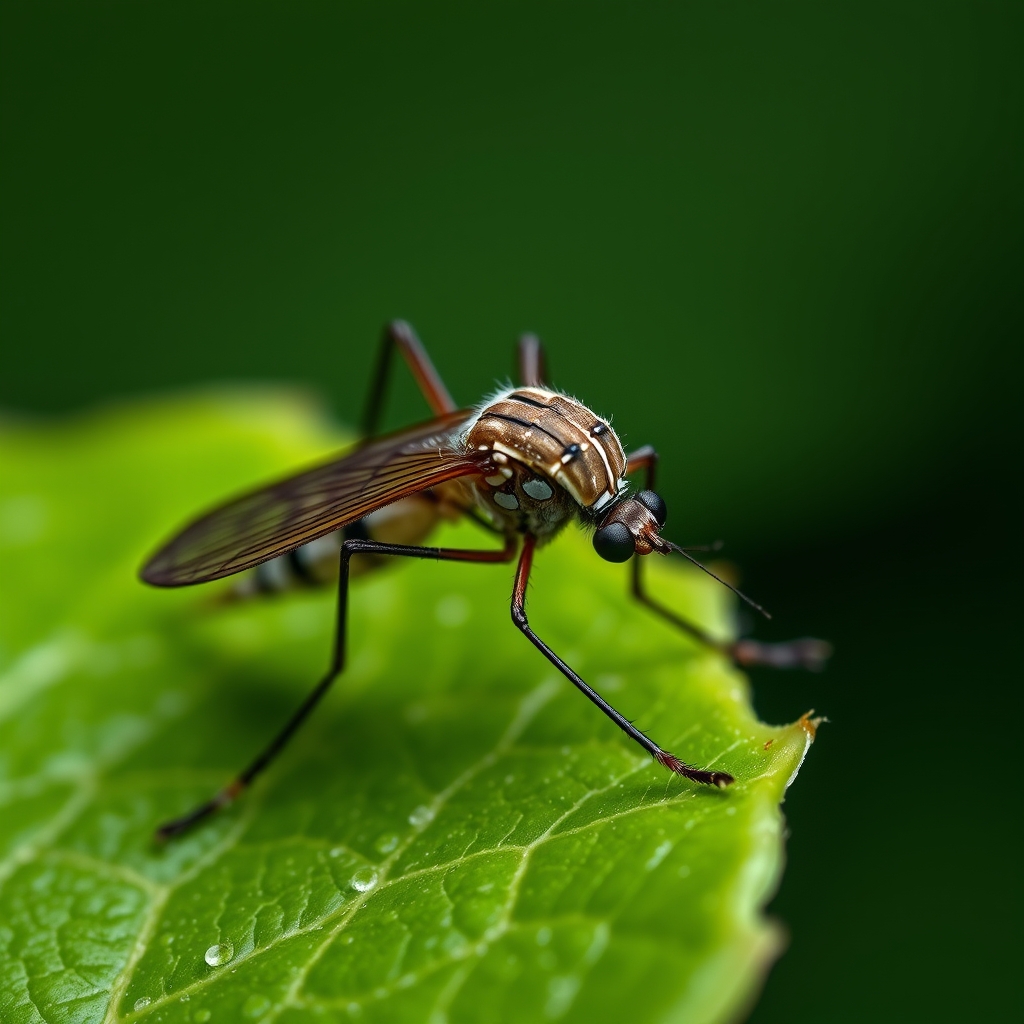
SAN FRANCISCO, June 11 — A subsidiary of Google’s parent company has submitted a request to federal regulators for approval to deploy tens of millions of specially bred insects across two states as part of a novel disease-control strategy. Verily, the life-sciences division of Alphabet Inc., has petitioned the U.S. Environmental Protection Agency for an experimental-use permit to release up to 32 million laboratory-reared male mosquitoes in California and Florida. The two-year initiative, designated the Debug Project, aims to reduce populations of mosquitoes that transmit illnesses to humans.
The male mosquitoes proposed for release carry Wolbachia, a bacterium that occurs naturally and poses no threat to people, animals, or the environment. Unlike females, male mosquitoes do not bite, so the releases would neither increase biting activity nor disease transmission.
When these Wolbachia-carrying males mate with wild females in the environment, the resulting eggs fail to develop, causing the local mosquito population to decline over time without relying heavily on chemical pesticides. Previous Debug trials conducted in California’s Central Valley produced sharp reductions in mosquito numbers at test locations, according to scientists involved in the work. The approach has been credited elsewhere with curbing disease transmission; Wolbachia-based programs in Singapore, for instance, have been associated with reduced dengue fever rates.
The EPA has been reviewing Verily’s application and accepted public comments on the proposal through June 5. The agency has not yet announced a decision on whether to grant the experimental-use permit.
If approved, the project would rank among the largest mosquito releases of its kind ever attempted in the United States. The outcome could influence similar efforts in other regions, as public health authorities seek alternatives to conventional pesticide spraying for controlling mosquito-borne diseases. The Debug Project represents a significant development in the field of vector control.
By leveraging a naturally occurring bacterium to render mosquito eggs non-viable, the approach offers a targeted method for suppressing disease-carrying insect populations without broad environmental impact. Researchers have described the results from earlier California trials as a breakthrough, noting that sustained population suppression could substantially reduce the spread of illnesses such as dengue, Zika, and West Nile virus.
Verily’s application remains under EPA review, and the agency’s determination will determine whether the project proceeds to full implementation. Stakeholders and public health observers are monitoring the regulatory process closely, as the precedent set by this proposal could shape future strategies for managing insect-borne disease risks across the country.




