
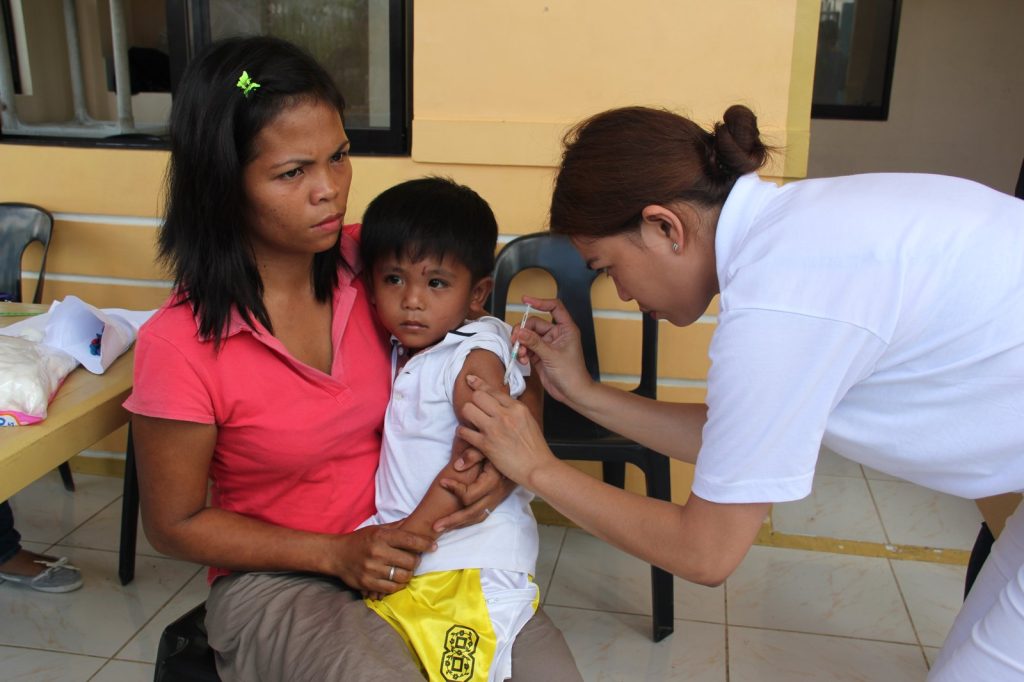
On 9 October 2023, officials in Lanao del Sur, a province within the Bangsamoro Autonomous Region in Muslim Mindanao (BARMM), formally announced a measles outbreak. The declaration activates emergency measures that allow the national government to dispatch vaccines, cold‑chain equipment and health personnel directly to the affected communities.
Measles is among the most transmissible viruses known; it can remain airborne for as long as two hours after an infected individual exits a room. Children who contract the disease may develop severe diarrhea, pneumonia and encephalitis, and the virus suppresses the immune system for weeks to months after the rash disappears. In populations that are malnourished or lack vaccination, the case‑fatality rate can climb to 10 percent.
BARMM has historically struggled with low routine immunisation coverage. Ongoing conflict, frequent displacement and logistical hurdles have left many children without protection, creating conditions in which measles can spread rapidly.
The outbreak in Lanao del Sur is the first provincial declaration, but it does not imply that other provinces are free of cases. Because a person is contagious four days before and four days after the appearance of the characteristic red rash, dozens of exposures can occur before a cluster is identified. With the outbreak status in place, the Department of Health (DOH) can coordinate with the Bangsamoro Ministry of Health to establish temporary treatment centres, enforce school closures, limit public gatherings and issue travel advisories.
Health teams are now tasked with tracing every contact of confirmed patients, setting up vaccination posts in health centres, schools and mosques, and using the existing immunisation registry to locate children who have missed doses. The immediate goal is to push immunisation coverage above the 95 percent threshold required for herd immunity.
Baseline figures in some BARMM municipalities have fallen below 70 percent, making this target especially challenging. Nevertheless, the Philippines has previously contained similar health crises, eliminating polio in 2021 after a resurgence and achieving a steady decline in tuberculosis incidence through sustained public‑health campaigns that relied on community trust and uninterrupted vaccine supply chains. Measles does not respect administrative borders or peace agreements; it spreads through coughing, sneezing, talking and can survive on surfaces for hours.
An infected individual in a crowded market can transmit the virus to many others, and a single traveller moving from Lanao del Sur to a neighbouring province could ignite a secondary outbreak. This potential for rapid geographic spread underscores why the national government’s involvement is crucial.
The situation tests several critical capacities: the ability of the Bangsamoro health system to mobilise quickly, the willingness of families to vaccinate their children, and the effectiveness of government outreach to remote and conflict‑affected areas. Every unvaccinated child, every adult with a weakened immune system and every infant too young for the nine‑month vaccine dose now faces heightened risk. While the declaration is not a panic signal, it is a formal trigger that enables swift, coordinated action.
The coming weeks will reveal whether the combined efforts of national and regional health authorities can contain the virus before it spreads further, protecting the most vulnerable segments of the population in a region where the margin for error is exceedingly thin.




