
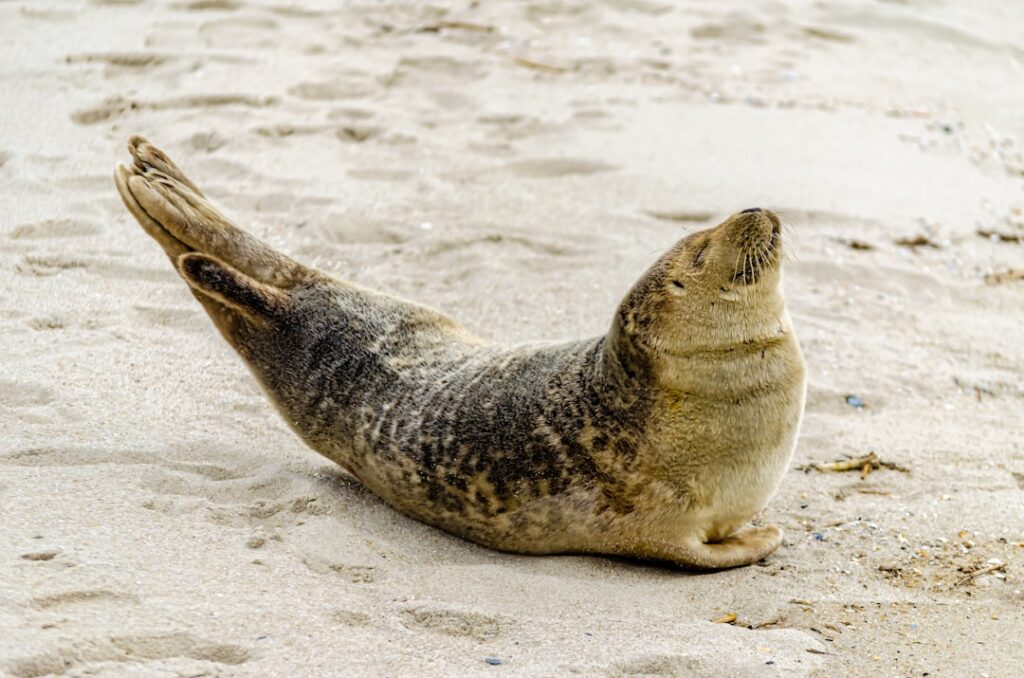
Brazilian officials have verified that an outbreak of the highly contagious H5N1 avian influenza virus is responsible for the death of 522 seals in the state of Rio Grande do Sul. Unlike the massive losses seen in poultry, this episode involves marine mammals, highlighting a new host‑species breach for a virus that has previously decimated bird populations worldwide.
Seals serve as ecological sentinels: they share the air, water and food web with humans, feeding on fish that move through the same coastal ecosystems. When a seal succumbs to H5N1, it signals that the virus has successfully crossed a species barrier once thought to be robust. Similar cross‑species infections have been documented in Europe, where the virus has been detected in foxes, otters and bears, but the scale of the South American event is unprecedented. Rio Grande do Sul, Brazil’s southernmost state, lies along the Atlantic flyway—a major migratory route for birds that can transport the virus across continents.
Infected birds shed the pathogen onto beaches, into the water and through the surrounding environment, where it can reach seals that haul out in dense, social groups. Direct contact, contaminated water and even aerosolized particles from coughing seals facilitate rapid spread within colonies.
“Collaboration among government agencies, conservation groups and local communities is essential,” said wildlife specialist Dr. Maria Lúcia Oliveira. While the recommendation is clear, the practical challenges are considerable. Unlike a confined poultry barn, the ocean cannot be fenced off, and vaccinating free‑ranging seal populations on remote coasts is not feasible.
Authorities can only conduct surveillance, test specimens and ensure safe disposal of carcasses. Veterinarian Dr. Paulo Roberto Pereira of the Ministry of Health emphasized that preventing human exposure remains the immediate priority.
Although human infection with H5N1 is rare, each spillover into a new mammalian host increases the virus’s opportunity to mutate and potentially acquire more efficient human‑to‑human transmission. The presence of the virus in seals also provides researchers with valuable data. Ongoing investigations aim to confirm the source of the outbreak, which is believed to be wild birds contaminating the coastal environment.
Regardless of the origin, the confirmed death toll underscores that H5N1 has established a foothold in a new wildlife population. Conservationists warn that Brazil’s extensive coastline—spanning 7,491 km—and its rich biodiversity could face broader impacts if the virus spreads further.
Managing the carcass disposal process is resource‑intensive, requiring protective gear, trained personnel and secure burial or incineration methods. Each recovered seal must be tested, and any positive result triggers additional response measures, stretching local capacities already tasked with routine public‑health duties. This incident is less about birds and more about the consequences when a pathogen adapts to a novel host.
The seals did not cause the outbreak; they are victims whose deaths illuminate the virus’s expanding reach. With 522 confirmed seal fatalities, officials caution that numbers could climb if containment proves difficult.
The situation remains fluid, and authorities continue to monitor the coastline, test new cases and implement biosecurity protocols to protect both wildlife and human health.




