
The World Health Organization’s decision to declare a public health emergency of international concern on July 23, 2022, marked a formal recognition of a crisis that had been unfolding long before that date. The virus now referred to as mpox, previously known as monkeypox, had been circulating and adapting within human populations for years prior to the first confirmed case in the United Kingdom on May 6, 2022.
That initial patient, a resident of London who had recently traveled from Nigeria, represented only the visible element of a far larger issue. On May 16, the UK Health Security Agency confirmed four additional cases, none of which had any connection to travel from countries where the disease is endemic. This discovery fundamentally altered the understanding of the virus. Human-to-human transmission was no longer a hypothetical concern; it was an established reality.
The clade IIb variant was responsible for driving the outbreak. Unlike the version of the virus that had historically jumped sporadically from animals to humans in West and Central Africa over decades, this particular variant had evolved to spread effectively among people, doing so quietly over several years.
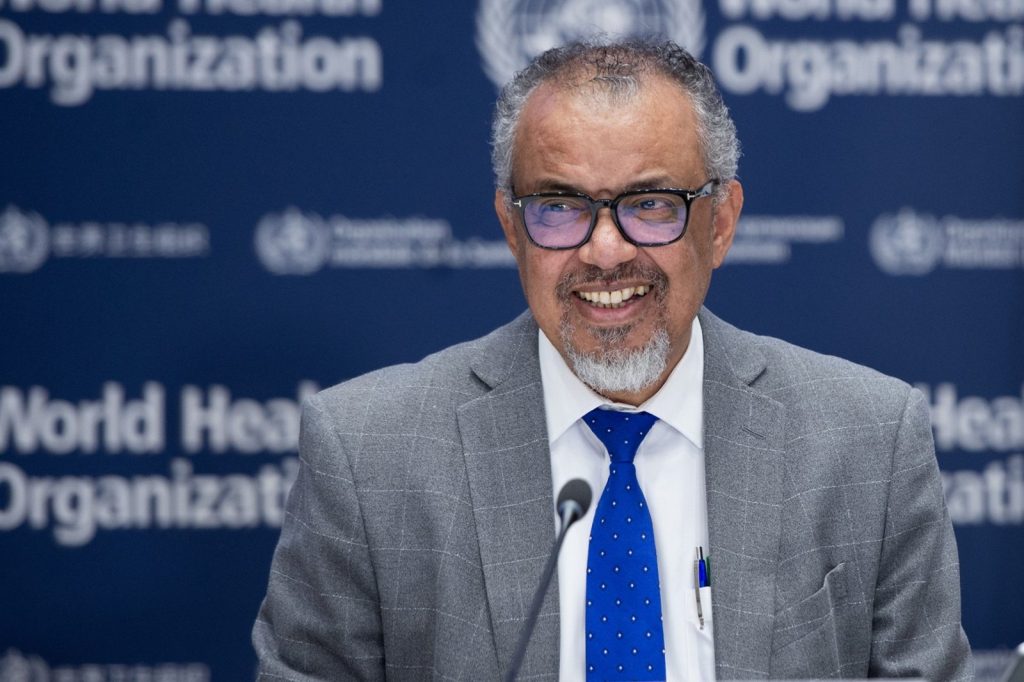
The subsequent global dissemination was swift. Nations with no prior history of mpox began reporting cases, and the disease crossed borders at a pace exceeding the ability of public health systems to monitor it. WHO Director-General Tedros Adhanom Ghebreyesus called for a coordinated international response.
The emergency declaration granted him the authority to pursue such a response, but it came after the outbreak had already become global in scope. By July 23, the virus had reached multiple continents.
The public health measures implemented afterward—including surveillance, contact tracing, and targeted vaccination—were reactive in nature, designed to contain a pathogen that had already escaped containment. The early work of the UK Health Security Agency proved critical. Identifying those first four cases without a travel link served as an alarm, signaling to health officials that the virus was transmitting within communities.
However, that alarm sounded after the virus had already been circulating and evolving in human hosts for years. The timeline is significant: the outbreak did not begin in May 2022.
That was simply when the world became aware of it. The WHO’s response focused on reducing transmission and coordinating efforts across nations. Yet the fundamental problem persisted.
A viral disease once confined to specific geographic regions had broken out of its ecological niche. The clade IIb variant demonstrated the capacity for sustained human-to-human spread.
Research into transmission modes remained limited at the time of the emergency declaration. This outbreak marked the first instance of mpox spreading widely outside Central and West Africa, a fact that alone made it a global health concern. But the deeper narrative involves a virus that had been evolving, adapting, and waiting.
The emergency declaration was a milestone, but it also served as an admission: the world was catching up to a problem that had been growing for years. Public health responses depend on the surveillance systems that feed them.
The UKHSA’s detection work was solid, and the WHO’s coordination was necessary. Neither could reverse the years of silent spread that preceded the first official case. The outbreak was already in motion. The declaration simply made it official.




