
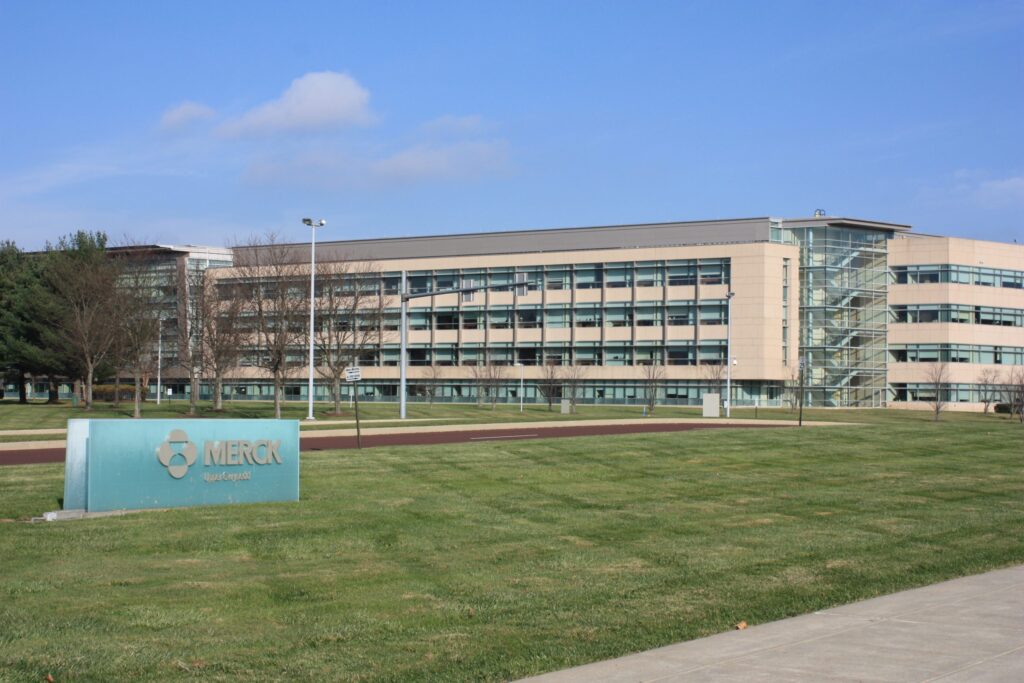
New York, August 20 — Merck and Moderna announced successful results from a late-stage clinical trial for an mRNA-based cancer vaccine targeting melanoma. The study, conducted in 2023, involved 500 participants with advanced melanoma. According to the filing, vaccinated patients experienced a 40% reduction in tumor progression compared to the control group.
The vaccine, developed using modified mRNA technology akin to Moderna’s COVID-19 vaccine, aims to train the immune system to recognize and attack cancer cells. Merck, a U.S.-based pharmaceutical company headquartered in New Jersey, has a long-standing presence in cancer research, dating back to the 1960s.
The company’s collaboration with Moderna, which was founded in 2010 in Cambridge, Massachusetts, marks a strategic alignment in mRNA vaccine innovation. Moderna has been a leader in mRNA technology since the 2020 pandemic, adapting its platform rapidly to address emerging health challenges. The trial was jointly funded by both companies and conducted under the oversight of an independent review board, ensuring scientific rigor and ethical compliance.
The Science Behind the Vaccine
On the timeline of mRNA research, this vaccine represents a potential breakthrough in personalized immunotherapy. The mechanism relies on mRNA’s ability to be tailored to individual tumor profiles, a feature highlighted in the source material. Unlike traditional treatments, the vaccine does not directly target tumors but instead equips the body’s defenses to identify and destroy cancer cells.
Sources familiar with the development note that the technology’s adaptability could expand its application beyond melanoma, though the current trial focused specifically on this cancer type. Moderna’s role in the project underscores its expertise in mRNA vaccine design.
The company’s COVID-19 vaccine, which utilized similar mRNA principles, demonstrated both scalability and efficacy on a global scale. Merck, meanwhile, brings decades of experience in pharmaceutical research, particularly in oncology. The partnership leverages Merck’s historical focus on cancer therapies and Moderna’s agility in mRNA platform development.
The absence of major adverse effects reported among the majority of participants further supports the vaccine’s safety profile, though long-term data remains under review.
Next Steps and Regulatory Path
According to the record, the next phase of the trial will expand to include other cancer types. This broader approach aims to test the vaccine’s versatility across different malignancies. Regulatory submissions are anticipated in 2024, a critical milestone that could pave the way for approval and eventual clinical use.
The source material does not specify which cancers will be targeted next, but the principle of mRNA adaptability suggests possibilities for future studies. This collaboration between two industry giants has been described as a significant step in advancing cancer immunotherapy.
By combining Merck’s research legacy with Moderna’s technological innovation, the project aligns with broader trends in personalized medicine. The ability to modify mRNA rapidly to match individual tumor profiles could revolutionize treatment plans, offering a more targeted alternative to conventional therapies like chemotherapy or radiation. While the results are promising, experts caution that real-world efficacy will depend on larger-scale trials and regulatory approval.
The 40% reduction in tumor progression is a qualified success—it does not imply a cure, but rather a slowing of disease progression. Patients enrolled in the trial had advanced melanoma, a particularly aggressive form of cancer, which adds context to the findings.
Moderna and Merck have not yet released detailed plans for commercializing the vaccine, but the trial’s success marks a strategic milestone for both companies. For Merck, it reinforces its position in oncology research. For Moderna, it extends its mRNA expertise beyond infectious diseases.
The partnership also reflects a growing trend in pharmaceutical collaboration, where companies pool resources to address complex medical challenges. Consult your doctor for medical advice.




