
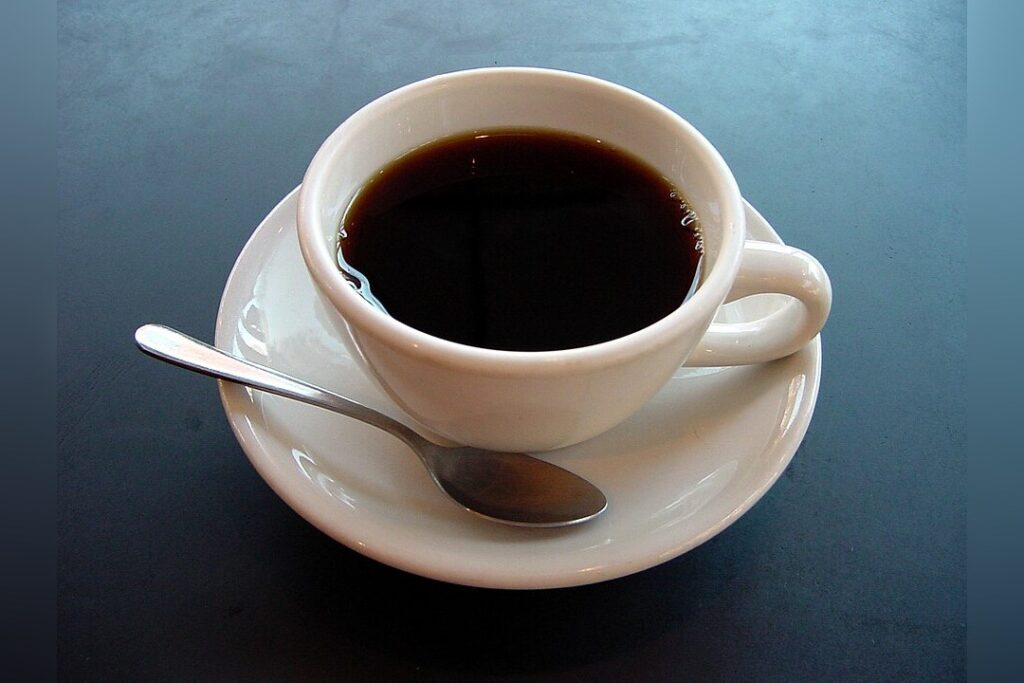
LONDON, July 17 — On the ground, the world runs on caffeine. It is the most commonly consumed psychoactive substance globally, a bitter, white crystalline purine that belongs to the methylxanthine class. By nightfall, billions of people will have consumed it today, most without a second thought.
Caffeine is a central nervous system stimulant, used for its eugeroic, ergogenic, and nootropic properties — wakefulness promotion, physical performance enhancement, and cognitive sharpening. It is also consumed recreationally and in social settings.
The mechanism is precise: caffeine blocks the binding of adenosine at several receptor types, inhibiting the depressant effects of adenosine and enhancing the release of acetylcholine. Its three-dimensional structure mimics adenosine, allowing it to bind and block those receptors. At concentrations beyond typical human consumption, caffeine also increases cyclic AMP levels through nonselective inhibition of phosphodiesterase, increases calcium release from intracellular stores, and antagonizes GABA receptors.
From Plant to Cup
The most common sources are the tea leaves of the Camellia sinensis plant and the coffee bean, the seed of the Coffea plant. Caffeine is found in the seeds, fruits, nuts, or leaves of plants native to Africa, East Asia, and South America. In nature, it protects plants against herbivores and prevents germination of nearby seeds, while also encouraging consumption by select animals such as honey bees.
For human consumption, caffeine is extracted by steeping the plant product in water — a process called infusion. Tea, coffee, and cola are consumed globally in high volumes.
In 2020, almost 10 million tonnes of coffee beans were consumed worldwide. Some people drink caffeine to relieve or prevent drowsiness and to improve cognitive performance.
Health Effects and Regulation
Unlike most other psychoactive substances, caffeine remains largely unregulated and legal in nearly all parts of the world. It is seen as socially acceptable in most cultures and is encouraged in some. The US Food and Drug Administration classifies caffeine as generally recognized as safe.
Caffeine has both positive and negative health effects. Caffeine citrate is on the WHO Model List of Essential Medicines.
It can treat and prevent the premature infant breathing disorders bronchopulmonary dysplasia of prematurity and apnea of prematurity. Some people experience sleep disruption or anxiety if they consume caffeine, but others show little disturbance. Evidence of a risk during pregnancy is equivocal; some authorities recommend that pregnant women limit caffeine to the equivalent of two cups of coffee per day or less.
The European Food Safety Authority reported that up to 400 mg of caffeine per day — around 5.7 mg per kg of body mass per day — does not raise safety concerns for non-pregnant adults. For pregnant and lactating women, intakes up to 200 mg per day are considered safe.
Lethal doses exceed 10 grams per day for an adult, greatly exceeding the typical dose of under 500 milligrams per day.
Dependence and Withdrawal
Caffeine can produce a mild form of drug dependence. When an individual stops using caffeine after repeated daily intake, withdrawal symptoms can include sleepiness, headache, and irritability. Tolerance develops to autonomic effects — blood pressure, heart rate, nervousness — and to alerting and vigilance benefits with regular use.
Chronic exposure upregulates adenosine receptors, raising the effort threshold for allocating attention. Habitual users operate from a lowered arousal baseline, making even mundane or previously enjoyable tasks more difficult to focus on without caffeine.
Caffeine is the world’s most widely consumed psychoactive drug. By nightfall, the cycle continues — dependence, tolerance, withdrawal, and consumption, all playing out in kitchens and coffee shops around the globe. Consult your doctor for medical advice.
Sources
{“@context”: “https://schema.org”, “@type”: “NewsArticle”, “headline”: “Caffeine Alters Teen Brain Chemistry and Behavior, Study Finds”, “description”: “LONDON, July 17 — On the ground, the world runs on caffeine. It is the most commonly consumed psychoactive substance globally, a bitter, white crystalline…”, “datePublished”: “2026-07-17T09:30:00+00:00”, “author”: {“@type”: “Person”, “name”: “Isabella Moore”}, “publisher”: {“@type”: “Organization”, “name”: “InfoPulse Today”, “url”: “https://newsfeed.infopulsetoday.com/”}, “citation”: [{“@type”: “CreativeWork”, “url”: “https://en.wikipedia.org/wiki/Caffeine”}]}




