
WASHINGTON, June 25 — The rise of generative artificial intelligence has made it “really easy” to create convincing medical deepfakes, posing a direct threat to public health that the healthcare industry is only beginning to confront, according to experts and a new analysis by SafeWise. Dr. Musheer Ahmed, Founder & CEO of Codoxo, a firm that uses AI to detect fraud and waste in healthcare, told SafeWise that the barrier to creating these fakes has collapsed. “Today, there are very strong image and video generation capabilities,” he said.
The record shows that the same technology driving productivity gains in medicine is now accessible to bad actors. The SafeWise report details a spectrum of threats.
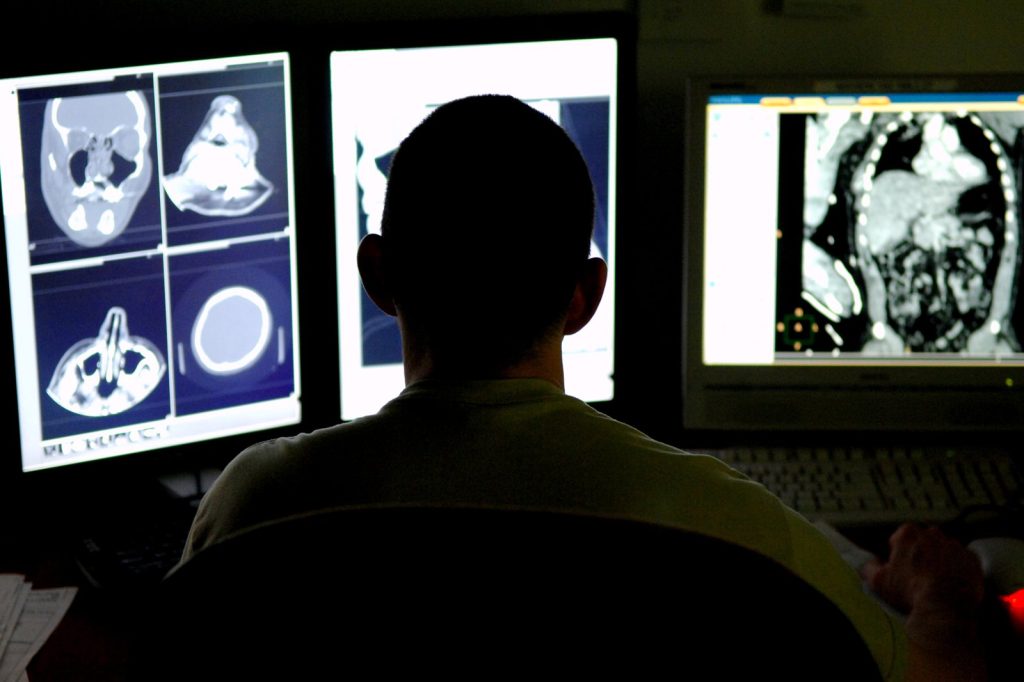
On one end are manipulated medical images — X-rays, CT scans, and MRIs — that could be altered to show or hide disease. On the other end are deepfake videos of doctors or public health officials giving fabricated medical advice. Both categories, the report argues, erode trust in medical institutions and can lead to real-world harm.
Ahmed’s firm, Codoxo, operates on the front lines of this problem. The company deploys AI specifically to spot anomalies in healthcare claims and billing data.
The irony is not lost on industry observers: the same class of technology used to defend the system is also being used to attack it. According to sources familiar with the threat landscape, the tools needed to generate a fake medical document are now widely available online, often for free. The implications for patient safety are stark.
A manipulated radiology image could lead to a misdiagnosis, a wrong treatment plan, or a dangerous delay in care. A deepfake video of a trusted physician endorsing a bogus treatment could send thousands of patients down a harmful path. SafeWise’s analysis warns that the healthcare sector, already struggling with cybersecurity vulnerabilities, is particularly exposed to this new class of threat.
The timeline of the problem is accelerating. While doctored medical images have existed for years, the barrier to entry was once high, requiring specialized software and technical skill.
Generative AI has erased that barrier. The report notes that the speed and scale at which these fakes can be produced now outpaces the industry’s ability to detect them. Ahmed pointed to a specific vulnerability: the lack of robust verification systems for medical imagery and video.
“It’s really easy to use online generative capabilities,” he said, underscoring that the technology is no longer confined to state-sponsored actors or sophisticated criminal enterprises. The threat is now diffuse and accessible.
SafeWise recommends a multi-layered defense. The report calls for investment in AI-powered detection tools that can spot subtle artifacts in manipulated images. It also urges the adoption of digital watermarking and blockchain-based provenance tracking for medical records, so that any alteration leaves a verifiable trail.
On the policy front, the analysis suggests that regulators need to move faster to establish standards for authenticating medical content. What comes next may depend on whether the healthcare industry treats this as a core patient safety issue rather than a niche IT problem. The record shows that the tools for deception are already in wide circulation.
The question, according to the SafeWise analysis, is whether the defenses can catch up before the first major public health incident tied to a medical deepfake occurs.
{“@context”: “https://schema.org”, “@type”: “NewsArticle”, “headline”: “Why Medical Deepfakes Are a Public Health Risk”, “description”: “WASHINGTON, June 25 — The rise of generative artificial intelligence has made it “really easy” to create convincing medical deepfakes, posing a direct threat to…”, “datePublished”: “2026-06-25 19:57:47T09:30:00+00:00”, “author”: {“@type”: “Person”, “name”: “Ariel Antonio”}, “publisher”: {“@type”: “Organization”, “name”: “InfoPulse Today”, “url”: “https://newsfeed.infopulsetoday.com/”}}




