
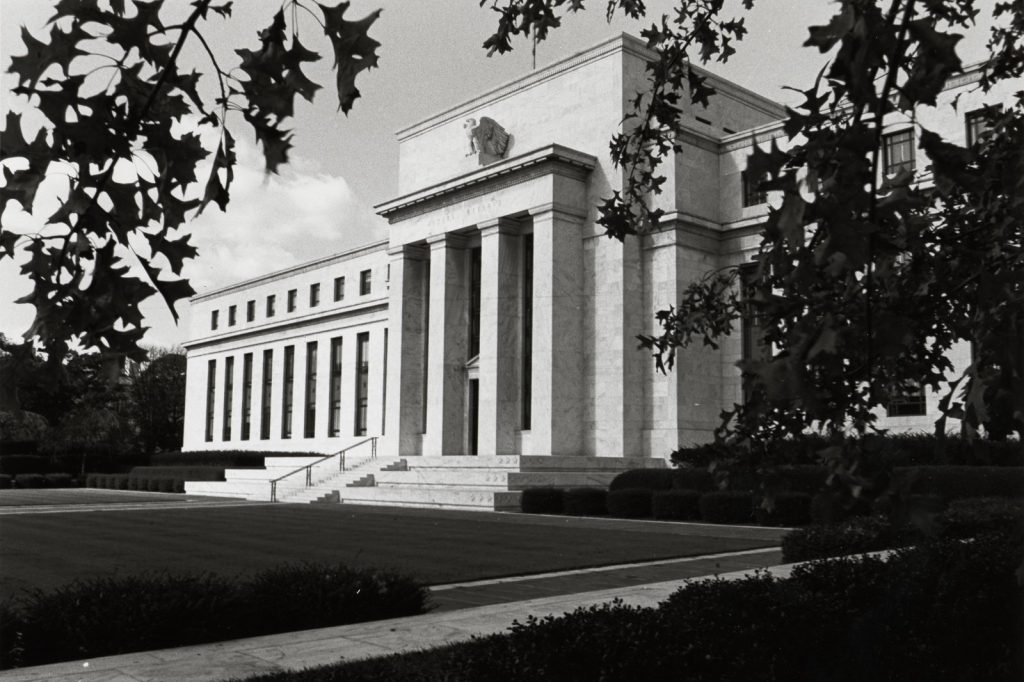
The Federal Reserve’s three rate cuts in late 2025 and the subsequent pause have prompted a quiet recalibration among the nation’s online banks. These institutions, which have long competed aggressively for depositor cash by offering high-yield savings accounts, are now adjusting their pricing strategies in response to a clear signal from the central bank: the era of rising rates is over, for now. Several major online banks have begun trimming their annual percentage yields on savings accounts in recent weeks.
The cuts are small but consistent. A top-tier HYSA that once paid north of 4.5 percent APY now sits closer to 4 percent, according to rate-tracking data.
The movement is not a panic. It is a measured response to a known constraint: banks lend out depositor money at rates tied to the Fed’s target, and when that target falls, the margin shrinks. The arithmetic is straightforward.
Banks take deposits and lend them out to mortgage borrowers, businesses, and credit card holders. They pocket the spread between what they earn on loans and what they pay savers.
When the Fed cuts rates, the income side of that equation declines. Banks then adjust the savings rate downward to protect their profit margins. No bank wants to be the first to cut, but once the Fed acts, the herd moves.
Regulators at the Federal Deposit Insurance Corporation have taken notice. The FDIC insures savings accounts up to $250,000 per depositor, per bank. The agency’s quarterly profile of insured institutions, released last month, showed net interest margins at U.S. banks narrowing for the second consecutive quarter.
That metric measures the difference between what banks earn on loans and what they pay on deposits. A shrinking margin puts pressure on banks to lower savings rates.
Consumer advocates are watching the trend closely. The gap between the average brick-and-mortar savings rate and the top online rate remains wide. A competitive HYSA currently pays several times the national average for physical bank branches.
That gap matters for savers looking to park cash. But it is narrowing.
The slow retreat in yields means the window for locking in a high rate is closing. Financial advisors have a blunt message for anyone carrying credit card debt. Carrying a balance above 20 percent APR while holding savings erases any yield advantage.
No HYSA rate available in the current market can outrun that kind of interest cost. The card should be paid off first. The math is not complicated.
A 4 percent savings yield cannot offset a 22 percent credit card charge. The Fed’s pause signals that the central bank sees no immediate need to cut further.
But the three cuts already in place have reset expectations. Banks are now pricing for a lower-for-longer rate environment. The top-yielding accounts will continue to track close to what three- to six-month Treasury bills yield.
That is the benchmark. When Treasury yields fall, savings rates follow.
For savers, the lesson is about competition. When one bank pays drastically more than another for the exact same account, it has almost nothing to do with the account itself. It is almost entirely about how that bank chooses to compete for your cash.
Some banks will hold their rates higher longer, betting that customer loyalty will pay off. Others will cut quickly, prioritizing margin over market share. The Federal Reserve has not signaled further cuts.
The pause could last months. But the trajectory is clear.
Top HYSA yields are in a slow retreat. The banks are following the Fed. The savers are following the rates.




