
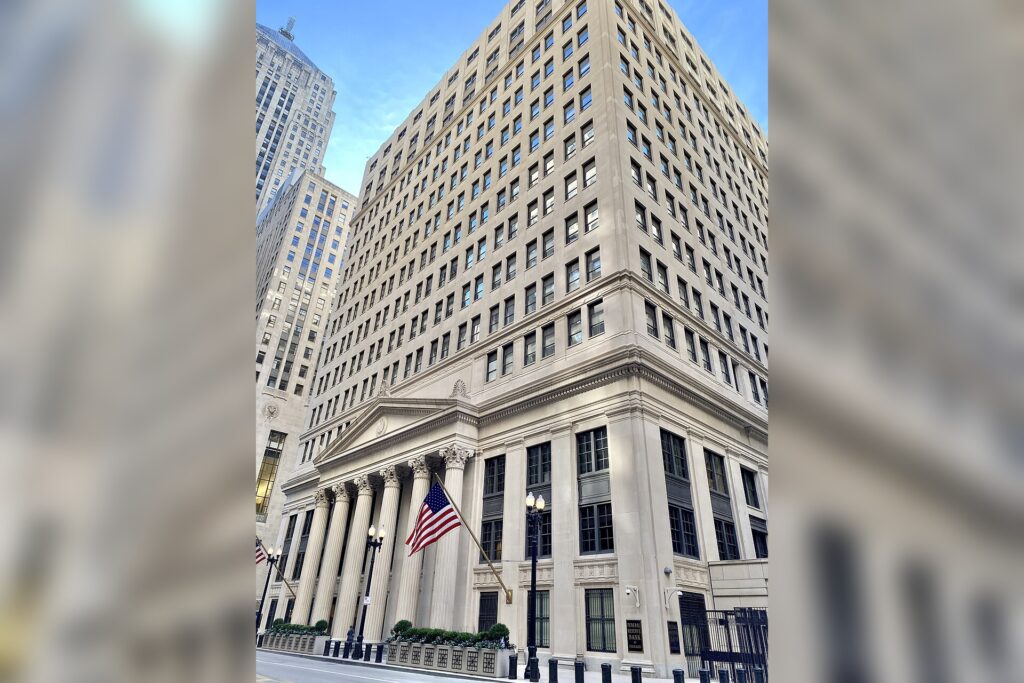
WASHINGTON, July 11 — For sixteen months, the Federal Reserve steadily tightened the screws on the American economy. Starting from near zero in March 2022, the central bank raised the federal funds rate in eleven separate moves, culminating in a target range of 5.25% to 5.5% by July 2023. That marked the highest level since 2001.
The goal was straightforward: cool inflation. Consumer prices, as measured by the Consumer Price Index, had peaked at 9.1% in June 2022.
The rate hikes were the Fed’s primary tool to bring that surge under control. But the impact of higher rates reaches well beyond the cost of borrowing for a home or a car. There is a less visible, yet enormous, consequence for the federal government itself.
The Rising Cost of Debt
Higher interest rates directly increase the Treasury’s borrowing costs. This applies both to new debt issued and to the routine process of rolling over maturing securities — replacing old bonds that come due with new ones at today’s higher rates. The numbers tell the story.
The Treasury’s average interest rate on its marketable debt rose from 1.6% in fiscal year 2021 to 3.1% in fiscal year 2023. That doubling of the average rate means the government is paying significantly more to finance the national debt.
The Congressional Budget Office has estimated the long-term effect. According to the CBO, each one percentage point increase in interest rates adds roughly $300 billion to annual net interest costs over a decade. With the federal funds rate having climbed several percentage points, the cumulative weight on the federal budget is substantial.
Quantitative Tightening Adds Pressure
The Fed did not stop at raising the short-term rate. In June 2022, it began reducing its massive balance sheet, a process known as quantitative tightening. By allowing its holdings of Treasury securities to mature without reinvesting the proceeds, the Fed effectively removes a large buyer from the market.
This puts additional upward pressure on longer-term bond yields. Even if the Fed holds the federal funds rate steady, the reduced demand for Treasuries from the central bank can push yields higher, further increasing the government’s borrowing costs.
Fed Chair Jerome Powell has indicated that rates may remain higher for longer. The central bank has indicated no immediate plans to cut rates, suggesting that the current environment of elevated borrowing costs for both consumers and the federal government could persist.




