
As researchers gather here this week for the ADLM 2026 meeting, the spotlight is not only on emerging science but also on the foundational steps that transformed diabetes from a nearly untreatable condition into a manageable chronic disease. The story of diabetes care, told through the eyes of scientists who made key discoveries and patients who now wield tools their grandparents could not have imagined, underscores a century of steady progress.
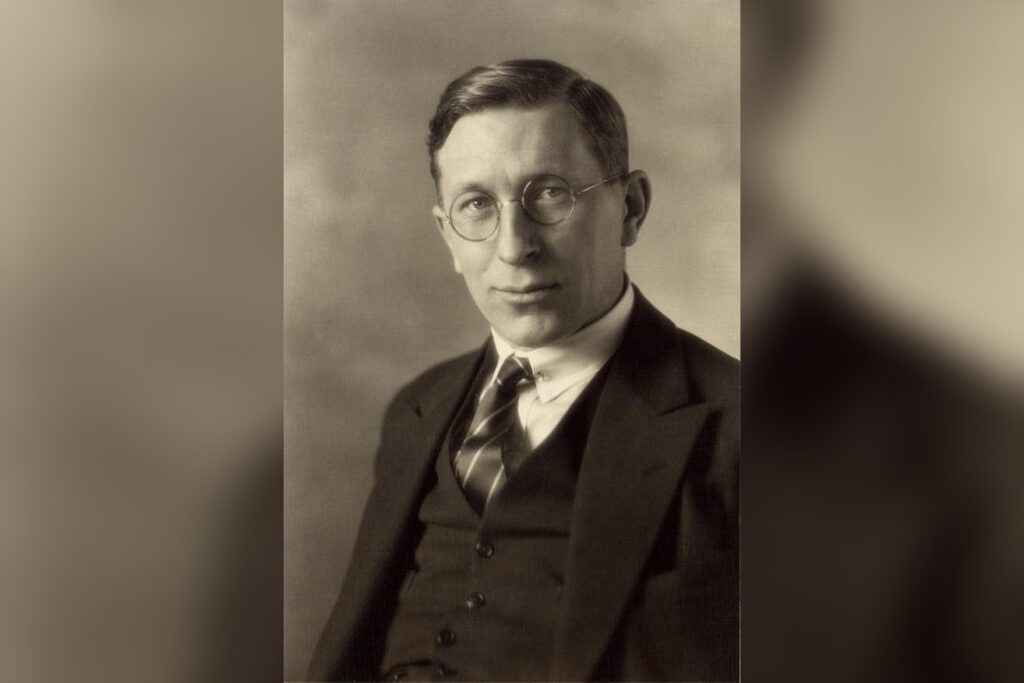
That progress began with a single breakthrough in 1921, when Frederick Banting, Charles Best, James Collip, and John Macleod isolated and purified insulin. The Nobel Prize in Physiology or Medicine followed in 1923, awarded to Banting and Macleod, and that discovery opened the door to effective treatment for millions of people whose bodies produce too little insulin or cannot use it properly.
From Insulin Discovery to a Universal Monitoring Standard
Diabetes itself refers to a group of endocrine diseases marked by sustained high blood sugar levels. The condition arises when the pancreas produces too little insulin or when cells become resistant to the hormone, leaving glucose trapped in the bloodstream instead of being absorbed for energy. Type 1 diabetes, an autoimmune attack on pancreatic beta cells, typically appears early in life; type 2 diabetes, far more common, develops when the body grows resistant to insulin.
Other forms include gestational diabetes during pregnancy and rarer cases caused by genetics or pancreatic disease. Untreated, diabetes can lead to serious complications affecting nerves, eyes, kidneys, and the cardiovascular system.
Common symptoms include blurred vision, weight loss, excessive hunger, excessive urination, and excessive thirst. The condition is a global health concern, with a large portion of the adult population affected, type 2 diabetes accounting for the vast majority of cases. Many people remain unaware they have the disease, and diabetes is now a leading cause of death in low- and middle-income nations.
The science behind monitoring blood sugar moved forward in critical steps. In 1969, Samuel Rahbar and his colleagues first described hemoglobin A1c testing.
That test, now known as HbA1c, became the standard for monitoring long-term blood glucose control. Instead of measuring glucose at a single moment, HbA1c provides a two- to three-month average, giving clinicians a powerful tool to assess treatment effectiveness. The ADLM itself, founded in 1948, has been part of this story.
The organization became involved in standardizing HbA1c testing through the National Glycohemoglobin Standardization Program, established in 1996. That program ensures that results from different laboratories are comparable, a vital step for consistent patient care.
Home Monitoring and Continuous Innovation
Then came tools designed for use at home. In 1970, the first home blood glucose meter, the Ames Reflectance Meter, was introduced.
That device allowed patients to check their own blood sugar levels for the first time, a leap forward in self-management. But the evidence that tighter control could prevent complications arrived later. The Diabetes Control and Complications Trial, or DCCT, ran from 1983 to 1993.
It demonstrated conclusively that intensive glucose control reduces the risk of diabetic complications, providing a scientific foundation for aggressive treatment targets. Continuous glucose monitoring, known as CGM, represented the next major advance.
The U.S. Food and Drug Administration first approved CGM systems in 1999 for professional use, allowing doctors to track patients’ glucose patterns over several days. In 2006, the FDA approved CGM systems for personal use, putting real-time glucose data directly into the hands of people living with diabetes. For the researchers gathered at ADLM 2026, these milestones are not merely historical footnotes; they are the foundation for what comes next.
Each step — from insulin in 1921 to the Ames meter in 1970, from the DCCT’s proof of concept to today’s CGM devices — represents a step forward for patients worldwide. The history of diabetes care is a story of scientists, clinicians, and the people whose lives have been reshaped by better tools.
Consult your doctor for medical advice.
{“@context”: “https://schema.org”, “@type”: “NewsArticle”, “headline”: “Breakthrough Insulin Discovery Transforms Diabetes Care Century Later”, “description”: “CHICAGO, July 16 — As researchers gather here this week for the ADLM 2026 meeting, the spotlight is not only on emerging science but also…”, “datePublished”: “2026-07-16T09:30:00+00:00”, “author”: {“@type”: “Person”, “name”: “Noah King”}, “publisher”: {“@type”: “Organization”, “name”: “InfoPulse Today”, “url”: “https://newsfeed.2bme.xyz/”}}




