
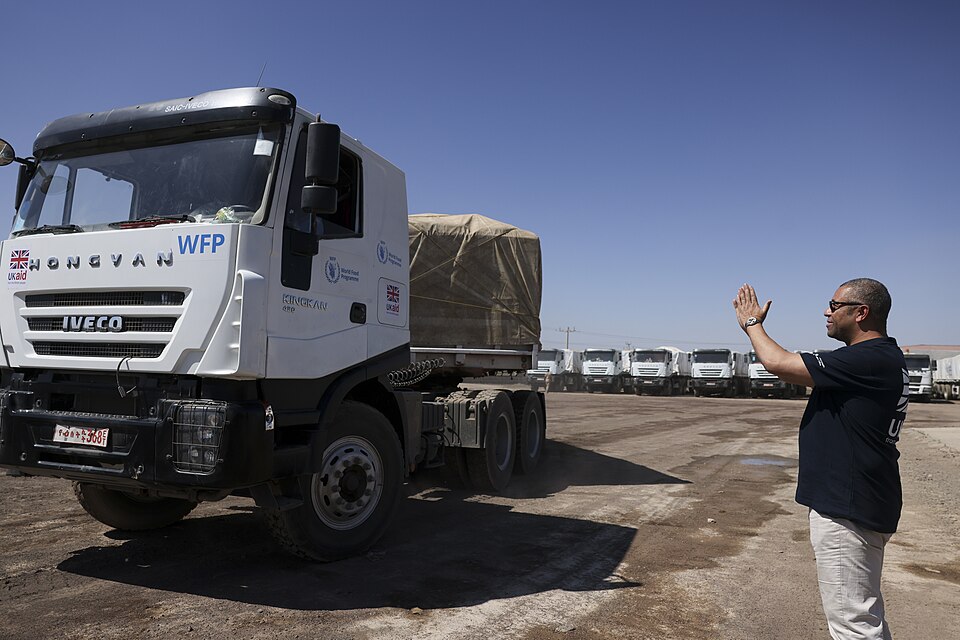
GOMA, September 11 — The World Food Programme is warning that the international response to the Ebola outbreak in the eastern Democratic Republic of the Congo must pair medical treatment with food assistance, saying extreme hunger is undercutting efforts to contain the virus. David Stevenson, the WFP Country Director for the DRC, said the response must go beyond health care alone.
The region, he noted, is already struggling with conflict, displacement and severe food insecurity — and hunger makes it harder for families to follow health protocols and support the wider response. More than 500,000 people in Ituri province are facing IPC Phase 4 hunger, classified as an emergency and just one step away from starvation on the IPC scale.
Stevenson warned that the outbreak is moving faster than the response.
Why food aid matters for containment
According to the WFP, food aid is critical to Ebola containment for several reasons. Families facing severe hunger cannot afford to comply with health guidelines or quarantine restrictions if they must leave their homes to find food. Better nutrition directly improves survival and recovery rates for individuals undergoing Ebola treatment.
And providing on-site food and hot meals prevents patients and families from traveling, thereby limiting the spread of the virus to remote rural areas. The WFP is already supporting the response with logistics, humanitarian flights, supply chains and hot meals at treatment centres, and is also helping build treatment centres.
Stevenson said more resources are urgently needed to get food assistance to remote areas and support the communities most affected by Ebola.
Funding gaps and the road ahead
The WFP requires USD 101 million specifically for the six-month Ebola regional response, with USD 76 million dedicated exclusively to the DRC. Of that budget, USD 50 million is the immediate gap needed to sustain hot meals at treatment centres, support quarantines, and expand operations into newly affected zones. Separately, a 78% funding shortfall plagues the broader WFP eastern DRC operation, leaving a USD 567 million gap out of the USD 728 million needed to prevent a wider humanitarian catastrophe.
Despite logistical hurdles including impassable roads and security threats, the WFP continues to operate humanitarian flights, manage supply chains and build treatment centres while appealing to the international community for emergency funding. The WFP’s warning was reported by outlets including Africanews, UN News, Azərtac and the Associated Press.
The Ebola outbreak is accelerating across eastern provinces of the DRC already devastated by conflict, displacement and severe food insecurity. What to watch next is whether donors close the immediate USD 50 million gap — and whether food assistance reaches the remote communities where the virus is still spreading faster than the response.




