
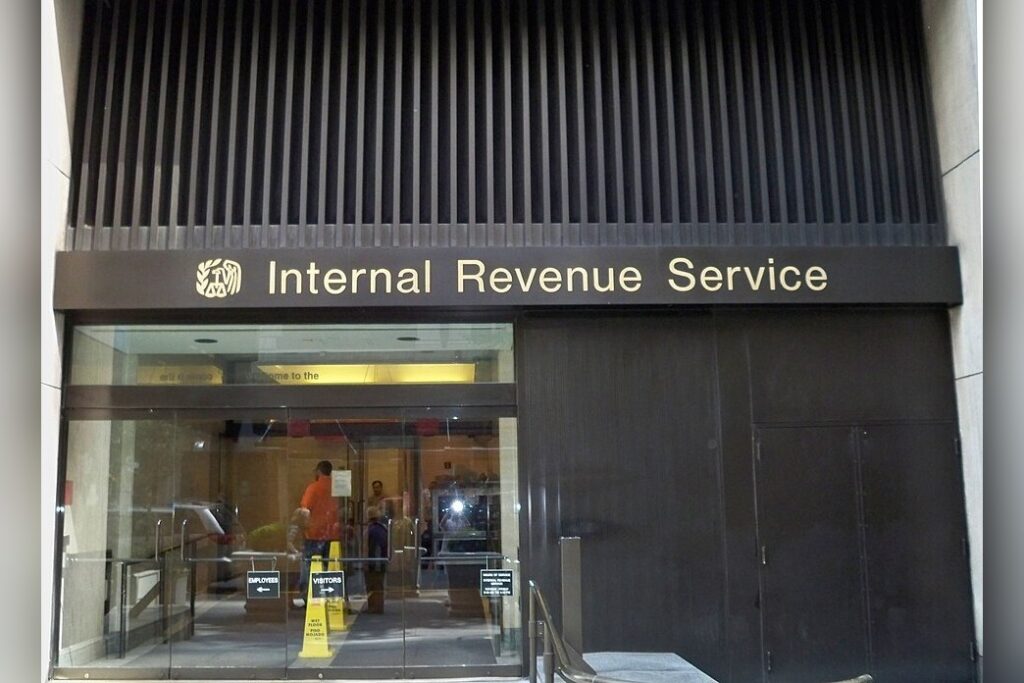
WASHINGTON — The U.S. Internal Revenue Service has activated its disaster relief protocol for the 2026 tax filing season, granting automatic extensions to taxpayers living in areas covered by federally declared disasters. The relief applies to individuals and businesses in designated disaster zones, giving them extra time to file returns and pay taxes without facing penalties or interest. The IRS identifies eligible filers automatically through its own records, so no separate application or extension form is needed.
The new deadlines vary by event and location, with the IRS typically aligning them with disaster declarations issued by the Federal Emergency Management Agency. Coverage extends to individual income tax returns, business returns, and estimated tax payments, and the agency waives late-filing and late-payment penalties for qualifying taxpayers whose original deadlines fall within the disaster period.
The specific 2026 measures follow a series of disaster declarations issued in late 2025 and early 2026, though the agency did not enumerate the exact events or affected states in its announcement. The relief does not extend to taxpayers outside the declared areas. For taxpayers who may have been affected by major storms, floods, wildfires, or other catastrophic events, the practical step is to check the IRS disaster relief page, which includes a searchable database by state and disaster type.
An online lookup tool requires only a ZIP code or county name to confirm eligibility. The IRS reminded taxpayers that state tax deadlines may differ from federal ones and that parallel relief should be sought from state tax authorities.
Electronic filing remains the fastest and most accurate method for submitting returns, and those who already filed and owe money should pay by the original deadline unless they qualify for the extension. The agency also cautioned against scams, noting it never contacts taxpayers by phone or email to demand immediate payment or personal information. Taxpayers are encouraged to keep records of their location and any disaster-related expenses, and to use direct deposit for refunds, which arrive faster than paper checks.
The disaster relief program is authorized under the Internal Revenue Code, which allows the IRS to postpone tax deadlines for up to one year following a federally declared disaster. Penalties and interest on unpaid balances are suspended for the duration of the extension period, and those who made estimated tax payments may need to adjust their schedules to match the new dates. For the 2026 filing season, the standard individual tax deadline remains April 15 unless extended by disaster relief.
Affected taxpayers with questions are directed to contact the IRS directly, and the agency’s relief efforts are coordinated with FEMA and state tax agencies to keep guidance consistent.




