
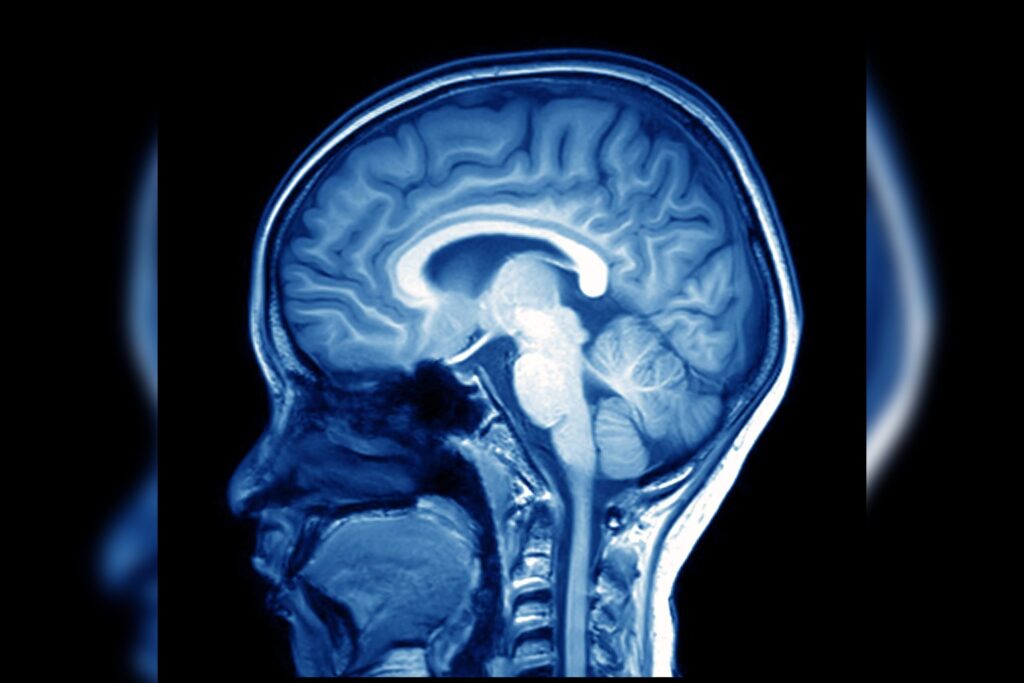
ISLAMABAD, July 10 — New brain imaging research has uncovered a measurable link between anxiety disorders and lower levels of key nutrients in the brain, offering a fresh angle on how biochemistry may shape mental health. The 2023 study found that individuals with anxiety disorders had approximately 8% lower levels of choline-containing compounds in brain regions critical for attention, planning, memory, and emotional regulation. This is not a small detail.
The brain relies on choline to produce acetylcholine, a neurotransmitter essential for memory and muscle control, and to maintain the structural integrity of cell membranes. For patients and their families, the encouraging part is that choline is a nutrient found in everyday foods—eggs, liver, fish, and certain beans.
It is also available as a supplement. But the research does not yet say that eating more choline will cure anxiety. What it does is point toward a possible biological marker, something doctors might one day measure and address.
The study arrives at a moment when the global burden of mental illness is staggering. The researchers noted that nearly 1.2 billion people globally had a mental disorder, with anxiety and depression driving much of the increase.
That number is not abstract. It represents one in every seven people on the planet. What this research adds is a biochemical clue.
Earlier work has linked low choline intake to cognitive decline and poor memory. But connecting it specifically to anxiety disorders—and showing it in brain scans—tightens the thread between what we eat and how we feel.
What the brain scans show
The imaging focused on choline-containing compounds, which include free choline and its metabolites. These compounds are essential for synthesising the neurotransmitter acetylcholine and for building cell membranes. When levels drop, brain cells may struggle to communicate efficiently, particularly in the prefrontal cortex and hippocampus—areas that govern planning, emotional control, and memory.
The 8% difference was observed in these specific regions. That is a measurable gap, and it raises questions about whether boosting choline levels could help ease symptoms.
Early findings suggest this is a direction worth exploring, but it is too soon to call it a treatment. The study did not test whether choline supplementation actually reduces anxiety. It identified a correlation, not a cause.
Patients should be careful not to rush to self-prescribe high doses of choline without medical guidance.
A broader view of mental health
Nearly 1.2 billion people living with a mental disorder is a number that demands attention. Anxiety and depression are the most common conditions, and they often occur together. The World Health Organization has called for a significant increase in investment in mental health services, especially in low- and middle-income countries where access is limited.
In Pakistan, where mental health resources are scarce and stigma remains high, this kind of research offers a different entry point. Instead of focusing solely on therapy or medication, it opens the door to nutritional interventions that might be more accessible and less stigmatised.
But the researchers are careful. They do not claim that choline is a magic bullet. The brain is complex, and anxiety disorders have multiple causes—genetic, environmental, psychological, and biochemical.
Choline is one piece of a much larger puzzle. What this study does well is give scientists a specific molecule to track.
Future research could examine whether dietary changes or supplementation actually raise choline levels in the brain and whether that leads to symptom improvement. That kind of study would take years and would need to control for many variables, but it is the logical next step. For now, the message is one of cautious hope.
Nutrition matters for mental health. The brain, like every other organ, needs fuel to function. Choline appears to be part of that fuel mix.
Patients should talk to their doctors about their diet and any supplements they are considering. A blood test can measure choline levels, but it is not routine.
And taking too much choline can cause side effects, including a fishy body odour, low blood pressure, and liver damage. The encouraging part is that this research gives doctors and patients something concrete to talk about. It is not vague advice to “eat better.” It is a specific nutrient, measured in a specific brain region, linked to a specific set of symptoms.
That is the kind of science that can lead to real changes in clinical practice. As the global mental health crisis continues, every new clue matters.
This one comes from the chemistry of the brain itself. Consult your doctor for medical advice.
{“@context”: “https://schema.org”, “@type”: “NewsArticle”, “headline”: “Brain Imaging Shows 8% Lower Choline in Anxiety Patients”, “description”: “ISLAMABAD, July 10 — New brain imaging research has uncovered a measurable link between anxiety disorders and lower levels of key nutrients in the brain,…”, “datePublished”: “2026-07-10T09:30:00+00:00”, “author”: {“@type”: “Person”, “name”: “Muhammad Asim”}, “publisher”: {“@type”: “Organization”, “name”: “InfoPulse Today”, “url”: “https://newsfeed.infopulsetoday.com/”}}




