
ROME, July 10 — For years, the story of immunity has been told through the lens of vaccines and antibodies — the adaptive system’s memory and precision. But before that memory kicks in, there is a quieter, faster guardian already at work. Scientists are now taking a deeper look at the innate immune system, the body’s first line of defense that acts within minutes to hours of a pathogen invasion.
It is a system built on layers. Physical barriers like the skin, with its slightly acidic pH of around 5.5 and antimicrobial peptides called defensins, form the outermost wall.
Mucous membranes line the respiratory and gastrointestinal tracts, trapping invaders before they can enter. Chemical defenses follow: stomach acid, with a pH of 1.5 to 3.5, can destroy many swallowed pathogens. Lysozyme in tears and saliva breaks down bacterial cell walls.
Interferons, proteins released by virus-infected cells, signal neighboring cells to heighten their antiviral state. What this means for patients and their families is that the body is never truly defenseless.
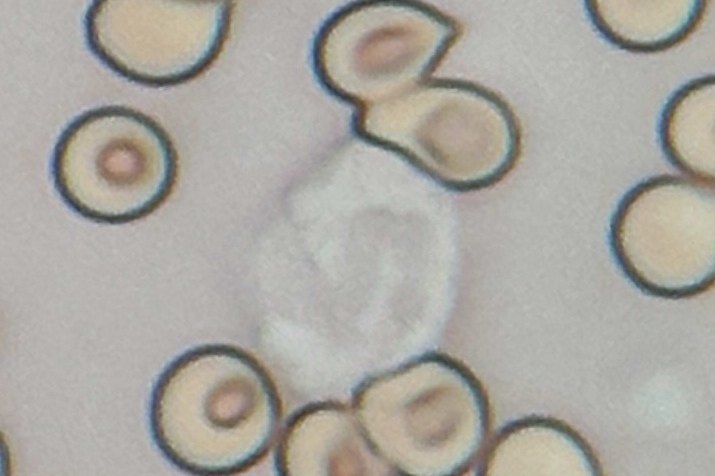
Even before a fever registers or a doctor runs a test, the innate system is already engaged. Cellular components — phagocytes like macrophages and neutrophils — engulf and destroy pathogens through a process called phagocytosis. Natural killer cells target virus-infected and tumor cells.
The complement system, a cascade of over 30 proteins, enhances destruction through opsonization, chemotaxis, and cell lysis. Inflammation is a key response here. It is characterized by redness, heat, swelling, and pain, all mediated by histamine and cytokines.
Behind the breakthrough in understanding this system lies the work of Jules Hoffmann and Bruce Beutler, who shared the 2011 Nobel Prize for their discovery of Toll-like receptors (TLRs). These pattern recognition receptors detect pathogen-associated molecular patterns, or PAMPs, and are critical for activating the adaptive immune system.
The innate system does not provide long-lasting immunity. That is a crucial distinction. But it is essential for survival.
Without it, the adaptive system would have no time to mount its more specific, slower response. Researchers are now exploring how to harness these early defenses for new therapies, particularly for patients with compromised immune systems or chronic inflammatory conditions.
For now, the science remains clear: the innate immune system is the unsung hero of human defense. It works fast, broadly, and without memory — but it buys the body the time it needs to fight back. Consult your doctor for medical advice.
{“@context”: “https://schema.org”, “@type”: “NewsArticle”, “headline”: “Innate Immune System Provides Immediate Defense Against Pathogens”, “description”: “ROME, July 10 — For years, the story of immunity has been told through the lens of vaccines and antibodies — the adaptive system’s memory…”, “datePublished”: “2026-07-10T09:30:00+00:00”, “author”: {“@type”: “Person”, “name”: “James Roberto”}, “publisher”: {“@type”: “Organization”, “name”: “InfoPulse Today”, “url”: “https://newsfeed.infopulsetoday.com/”}}




